
Utility Flatbed Trailers For Sale in New Mexico
Browse Utility flatbed trailers for sale in New Mexico. Compare combo flatbed specs, axle setups, coil packages, winch tracks, and deck options.
Learn more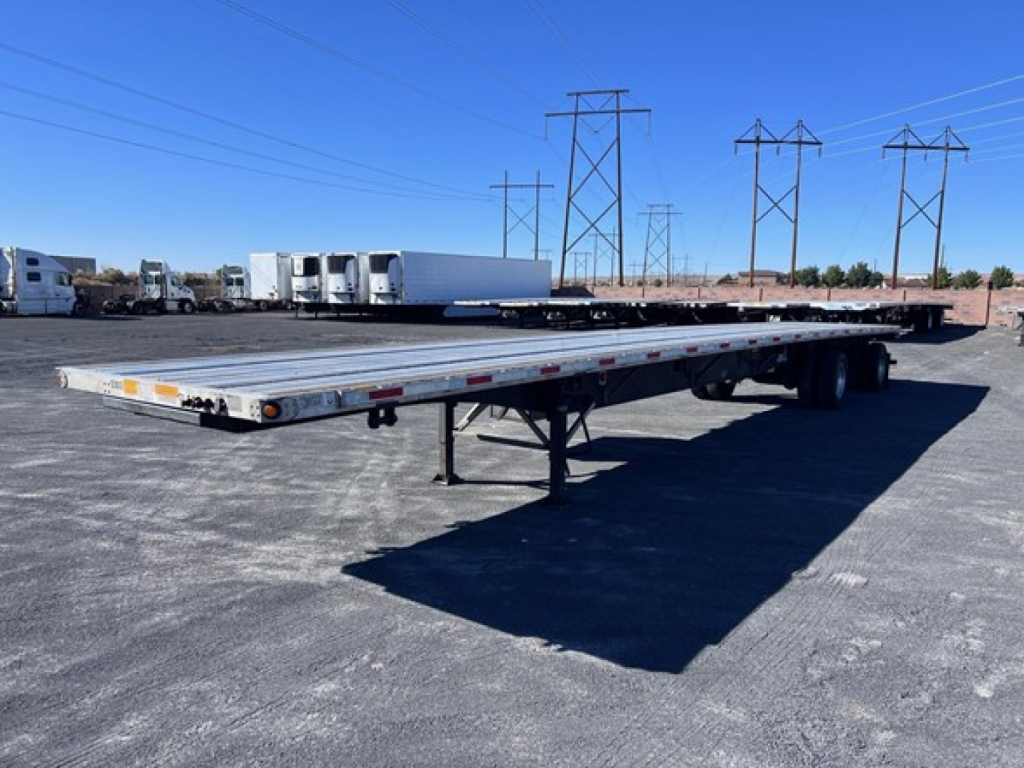
Have utility flatbed trailer to sell? List it here to reach thousands of buyers.
About Utility Flatbed Trailers in New Mexico
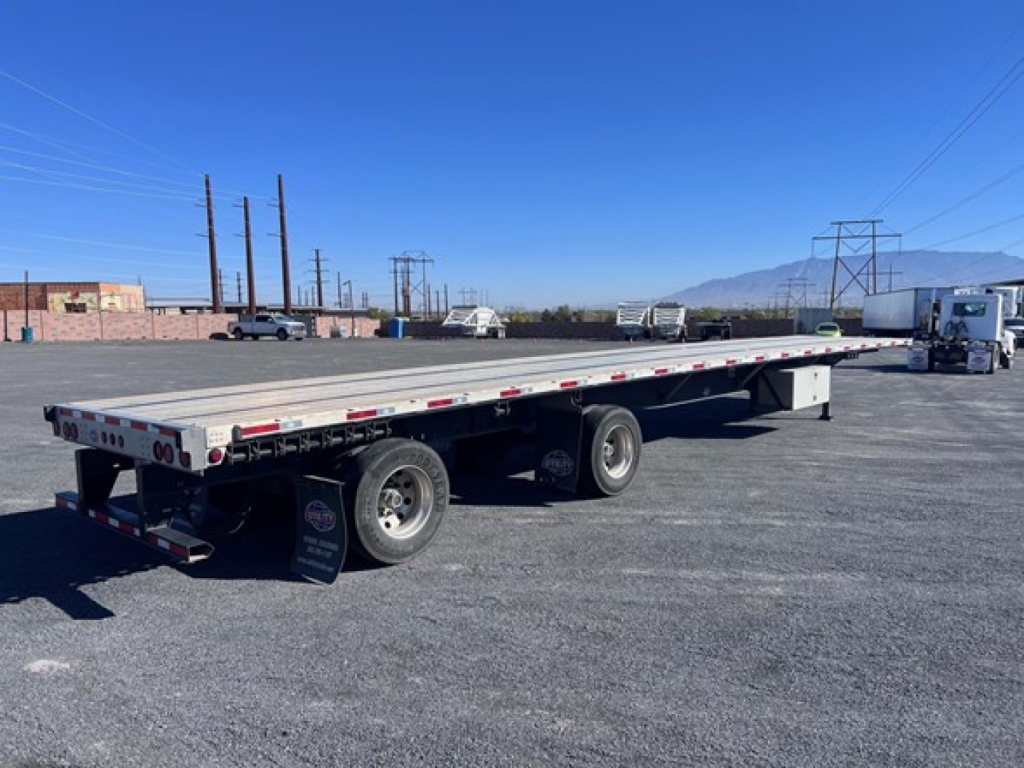
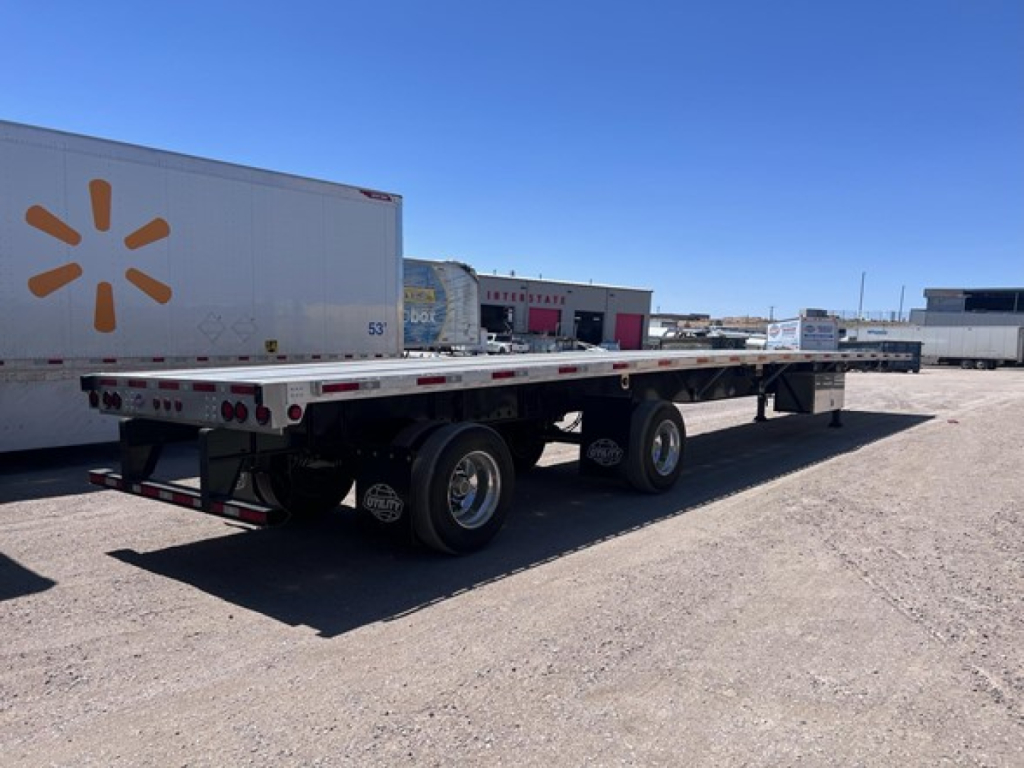
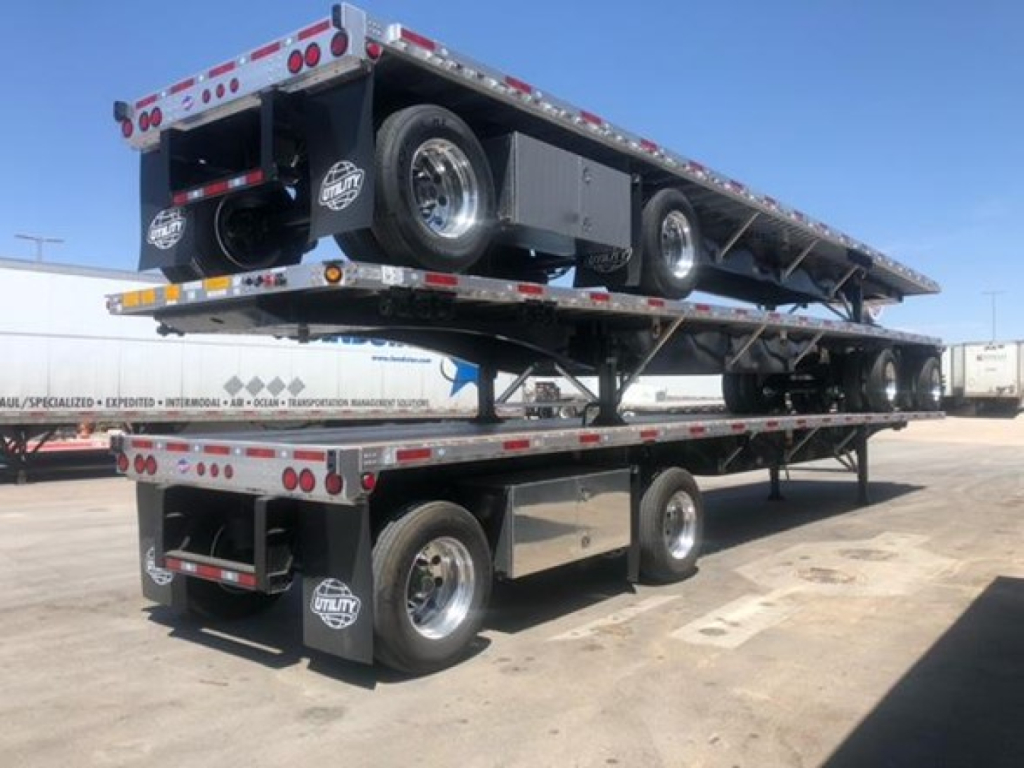
A lot of the spec decisions on a Utility flatbed come down to freight type and routing. Common lengths include 48-foot and 53-foot by 102-inch wide decks. California-legal 53-foot configurations are popular for fleets that need axle flexibility across western states, often with a rear sliding axle and air pin slider to help with bridge law and kingpin setting requirements. Tandem air ride is standard on many units, while spread axle versions can improve weight distribution for certain loads. Low-profile 22.5 tires are also common, helping keep deck height manageable for taller freight.
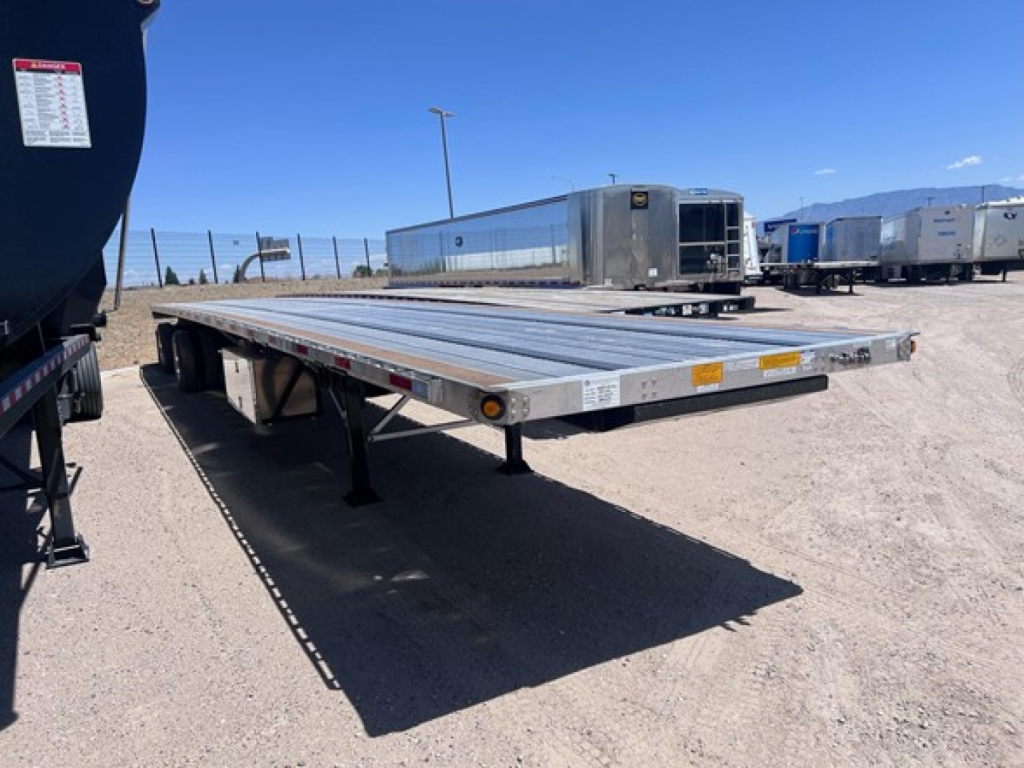
Securement equipment is where one trailer can be much more useful than another. Many Utility flatbeds in this class are equipped with stake pockets, double pipe spools, sliding winches, and winch tracks on both road and curb side. Two nail strips are a familiar feature for shoring and load control, and a coil package is important for operators hauling steel coil, often with ratings around the heavy-duty range buyers expect for concentrated loads. Tool boxes, ICC bumpers, dump valves, and wheel material choices such as outside aluminum and inside steel also affect day-to-day use, empty weight, and maintenance cost.
When comparing Utility flatbed trailers for sale, pay close attention to deck construction, coil rating, axle spread or slide, and the exact securement setup already installed. A lighter combo flatbed can improve payload, but the right answer still depends on whether the trailer will spend its life under lumber, pipe, structural steel, or mixed open-deck freight. Utility has a strong reputation in the trailer market for straightforward, work-ready specifications, and buyers usually focus on finding the right balance of tare weight, freight versatility, and legal axle adjustment for the lanes they run.
Frequently Asked Questions
What is a Utility combo flatbed trailer?
A Utility combo flatbed trailer is a flatbed built with a mixed-material design, typically using steel main beams for structural strength and aluminum components such as crossmembers, deck, and side rails to reduce weight. This combination is popular because it can hold up well under demanding freight while preserving payload capacity better than a full steel trailer. In many fleets, a combo flatbed is the preferred setup for general commodity hauling because it offers a practical balance of durability, tare weight, and resale appeal.
What should I look for in a Utility flatbed trailer for steel or coil hauling?
For steel or coil work, the first items to verify are the coil package rating, concentrated load capability, and overall deck condition. Buyers should also confirm stake pockets, winch track, sliding winches, pipe spools, and nail strips are present and in usable condition because securement flexibility is critical on open-deck steel freight. Axle configuration matters too, since coil loads can create challenging weight distribution, so a sliding rear axle or properly matched spread axle setup can be important depending on your routes and state weight rules.
Why does a rear sliding axle matter on a 53-foot flatbed?
A rear sliding axle gives the operator more flexibility to adjust axle spacing and trailer balance for bridge law compliance and state-specific legal requirements. On a 53-foot flatbed, especially a California-legal trailer, that adjustment can be a major advantage for fleets running western lanes or handling variable load placement. It can also help align the trailer more effectively with kingpin settings and tractor wheelbase combinations, reducing the chance of turning away profitable loads because of axle legality.
Are 48-foot or 53-foot Utility flatbeds better?
The better length depends on your freight mix and operating region. A 53-foot flatbed gives more deck space for longer building materials, palletized freight, and mixed loads, which can improve load options and revenue potential. A 48-foot flatbed can be a good fit for operators focused on heavier or more specialized freight where maneuverability, empty weight, or concentrated load placement matters more than maximum deck length. Buyers should match trailer length to their regular lanes, customer freight dimensions, and state length and axle regulations.
What maintenance points are most important on a used Utility flatbed trailer?
On a used Utility flatbed, buyers should inspect the main beams, crossmembers, deck surface, side rails, suspension, slider components, and air system closely. Wear around the winch track, stake pockets, coil area, and pipe spool mounts can reveal how the trailer was used and whether it spent time in heavy steel service. Tire condition, wheel type, brake components, and signs of corrosion around mixed-material joints are also worth checking, because they affect both immediate operating cost and long-term durability.