
Utility Flatbed Trailers For Sale in Florida
Browse Utility flatbed trailers for sale in Florida. Compare 48x102 specs, axle setups, deck types, weight ratings, and hauling applications.
Learn more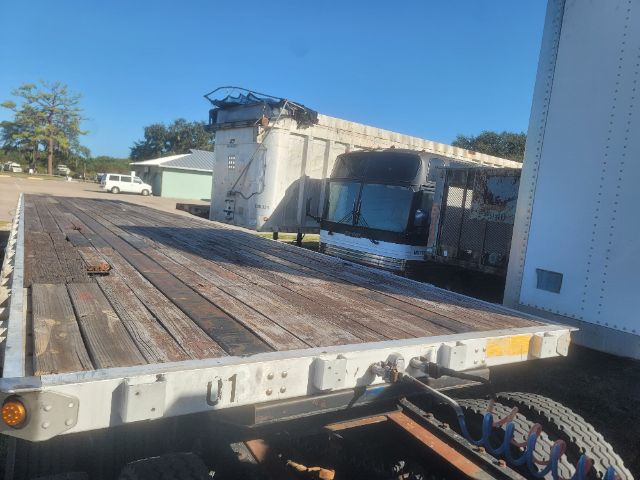
Have utility flatbed trailer to sell? List it here to reach thousands of buyers.
About Utility Flatbed Trailers in Florida
On this trailer class, deck material and trailer spec make a real difference in daily use. Aluminum flatbeds help maximize payload and resist corrosion, which is especially relevant in humid coastal environments. Combo designs use aluminum and steel to balance durability with lighter weight, while all-steel configurations can make sense for severe-duty work. Important details include apitong or hardwood floor condition, rub rail design, sliding winches, stake pockets, pipe spools, chain tie-down points, and the presence of toolboxes or tire inflation systems. Air ride suspension is often preferred for more delicate freight and broader resale appeal, while spring ride may still fit certain price-sensitive operations.
A buyer comparing Utility flatbed trailers should also pay attention to axle spread, wheel-end type, brake condition, tire age, and kingpin area wear. On older 48x102 trailers, check for frame repairs, corrosion at the rear sill, cracks around suspension hangers, floor fastener issues, and signs of hard forklift loading. In Florida service, sun exposure and moisture can be tough on wiring, air lines, light connections, and wood decking, so those areas deserve a close inspection. If the trailer will haul dense freight like steel or machinery, confirm the GAWR, concentrated load capability, and how the trailer is set up for chains, straps, tarps, and edge protection.
Utility remains a recognized name in trailers, and its flatbeds are generally valued for simple design, parts familiarity, and compatibility with common over-the-road applications. The right trailer depends less on brand alone and more on how the spec matches the freight. For mixed freight, a standard 48x102 setup with air ride, good rubber, clean brakes, and a sound deck is often the most versatile choice. For dedicated material hauling, buyers may lean harder on tie-down layout, floor durability, and weight balance across the tandems. A careful review of structural condition and running gear usually tells more than cosmetics on a used flatbed trailer.
Frequently Asked Questions
What is the most common size for a Utility flatbed trailer?
A common Utility flatbed trailer size is 48 feet long by 102 inches wide. That 48x102 configuration fits a wide range of general freight, including building materials, machinery, steel, and palletized loads. Actual specifications can still vary by model year and build, so buyers should confirm overall length, deck height, weight rating, and axle spacing on the individual trailer.
What should I inspect first on a used Utility flatbed trailer?
Start with the structural areas that affect safety and service life. Check the main frame, crossmembers, kingpin area, suspension hangers, rear sill, deck condition, and any visible repairs or cracking. After that, inspect brakes, tires, wheel ends, lights, air lines, and ABS components. On a flatbed, securement equipment such as rub rails, stake pockets, winches, and chain tie-down points should also be examined closely because worn securement hardware limits the trailer's usefulness.
Is an aluminum or steel Utility flatbed better?
It depends on the freight and operating priorities. Aluminum flatbeds usually offer lower tare weight and better corrosion resistance, which helps maximize payload and can be a strong advantage in Florida conditions. Steel flatbeds can be a good fit for harder-use applications where impact resistance and lower upfront cost matter more. Combo trailers split the difference by using both materials to balance strength, weight, and durability.
Are Utility flatbed trailers good for Florida hauling?
Utility flatbed trailers can be a solid fit for Florida freight because they are versatile, simple to maintain, and well suited for open-deck loads such as lumber, equipment, pipe, and agricultural materials. Florida buyers should pay extra attention to corrosion, sun-related wear, deck condition, and electrical system health. Coastal moisture and heat can accelerate wear on wiring, lights, wood flooring, and air system components.
What features matter most for hauling general flatbed freight?
For general freight, the most useful features are a sound deck, strong rub rails, functional stake pockets, sliding winches, reliable brakes, good tires, and a suspension setup that matches the cargo. Air ride suspension is often preferred because it handles a broader mix of freight and tends to be easier to resell. Buyers should also confirm tie-down point availability, axle rating, and overall tare weight so the trailer fits both securement needs and payload targets.