
Transcraft Flatbed Trailers For Sale in New York
Shop Transcraft flatbed trailers for sale. Compare lengths, axle setups, deck specs, and securement features for steel, lumber, and machinery hauling.
Learn more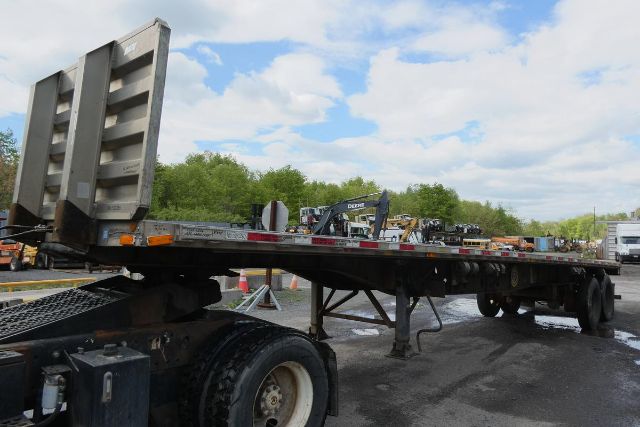
Have transcraft flatbed trailer to sell? List it here to reach thousands of buyers.
About Transcraft Flatbed Trailers in New York
A Transcraft flatbed can be set up for different freight profiles, so deck details matter. Wood floors remain popular because they are easier to repair and provide good friction under cargo, while aluminum components can reduce weight and improve corrosion resistance. Buyers should also look closely at deck height, crossmember condition, rub rails, stake pockets, chain spools, winch tracks, and any included securement gear such as straps, ratchets, or headache racks. If the trailer has a combo floor or mixed aluminum and steel structure, inspect wear points carefully around the rear, landing gear mounts, suspension hangers, and kingpin area.
Axle setup has a direct effect on versatility and resale. Some Transcraft flatbeds use fixed tandems, while others are equipped with sliding tandems for bridge law flexibility and better load positioning. Suspension type is another practical consideration, especially for buyers running rougher regional lanes or mixed freight. Air ride is common for ride quality and cargo protection, but condition is critical on used trailers. Brake type, tire size, wheel spec, and hub style also affect operating cost and shop compatibility. In New York and the Northeast, corrosion exposure from road treatment makes understructure condition, brake plumbing, and suspension components especially important to inspect.
Transcraft has long been associated with platform trailers built for real freight work, and that makes this category relevant to carriers hauling steel products, lumber, palletized material, pipe, and crated equipment. A good buyer comparison goes beyond model year and price. Check legal payload potential, concentrated load ratings if available, deck repairs, prior axle modifications, and how the trailer is already outfitted for securement. A lighter trailer may increase revenue on payload-sensitive lanes, but a heavier-spec unit can be the better fit for dense freight and tougher daily use.
Frequently Asked Questions
What should I look for first when buying a used Transcraft flatbed trailer?
Start with the frame, deck, suspension, and axle configuration. Check for cracked welds, corrosion, bent crossmembers, deck patches, uneven tire wear, and signs of past impact or overloading. On a Transcraft flatbed, buyers should also inspect the kingpin area, landing gear structure, rear frame, rub rails, and securement points because these areas take repeated stress in normal freight service. If the trailer has air ride, confirm the suspension and brake system are operating correctly before putting much weight on model year alone.
Are Transcraft flatbed trailers typically aluminum or steel?
Many Transcraft flatbeds use a combination of aluminum and steel rather than being built entirely from one material. Combo construction is common because it can lower empty weight while keeping strength in high-stress structural areas. That matters for buyers trying to maximize payload without stepping into a more specialized trailer. The exact material mix varies by model and age, so it is important to verify the main beams, crossmembers, floor composition, and repair history on any trailer under consideration.
What trailer length is most common for a Transcraft flatbed?
Lengths commonly seen in this category range from about 42 feet up to 53 feet, with 48-foot and 53-foot platforms often preferred in broader open-deck freight operations. Shorter lengths can still make sense for regional work, dense freight, or operations with yard and route constraints. The right length depends on the freight mix, state bridge requirements, and how often you need flexibility in axle positioning and load distribution.
Is a fixed tandem or sliding tandem better on a flatbed trailer?
Neither is universally better because each setup serves a different operation. A sliding tandem gives more flexibility for bridge compliance, weight distribution, and load placement across different states and commodities. A fixed tandem can be simpler and may reduce maintenance points, but it offers less adjustment when freight dimensions or axle weights vary. Buyers hauling a wide range of loads usually place a premium on sliding tandem capability.
What securement features matter most on a flatbed trailer?
The most important securement features are sound rub rails, usable stake pockets, adequate winch capacity, chain tie-down points, and a deck surface that supports proper friction under cargo. Many buyers also value coil package readiness, chain spools, sliding winches, and included gear such as straps and ratchets. The best setup depends on whether the trailer is used for steel, lumber, machinery, or palletized freight, but every securement point should be inspected for wear, deformation, or unauthorized repairs.