
Mac Flatbed Trailers For Sale in New Mexico
Browse Mac flatbed trailers built for payload, corrosion resistance, and securement flexibility, including aluminum specs and common hauling setups.
Learn more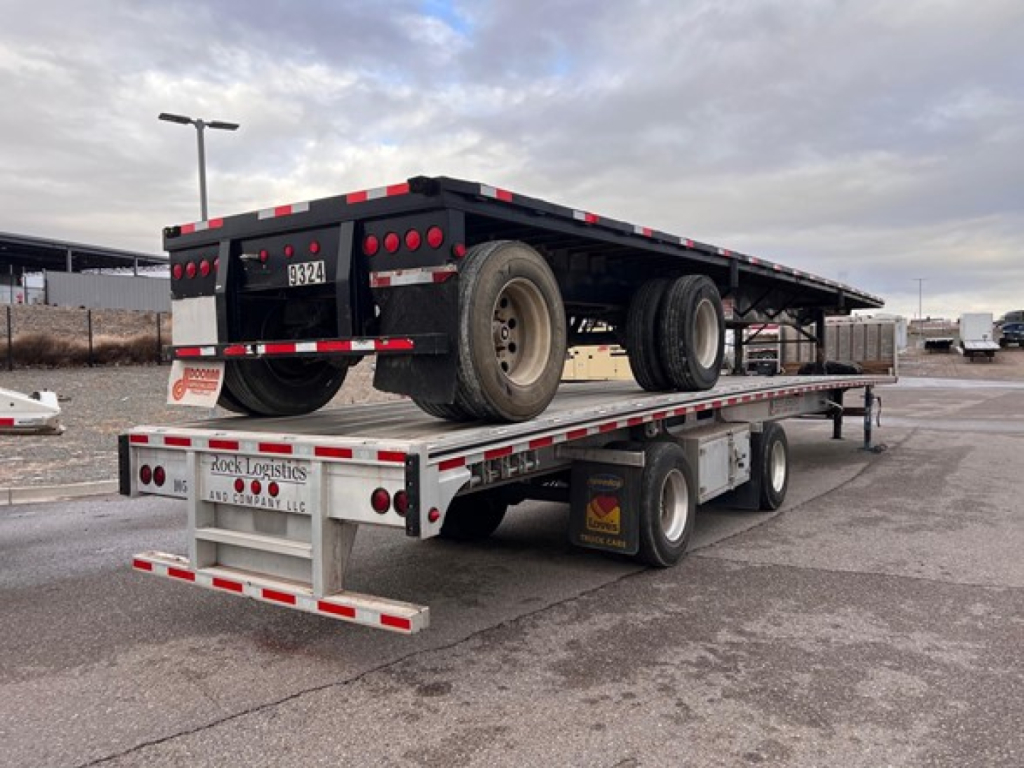
Have mac flatbed trailer to sell? List it here to reach thousands of buyers.
About Mac Flatbed Trailers in New Mexico
Construction details matter on a Mac flatbed because they directly affect durability, loading flexibility, and long-term operating cost. Many units use aluminum main beams, aluminum decking, rails, and bulkheads to reduce weight and resist corrosion. Buyers should look closely at deck condition, crossmember spacing, nail strips, stake pockets, pipe spools, and winch tracks or sliding winches, since these features determine how easily the trailer can be configured for different commodities. A coil package is important for operators moving steel coil, while tool boxes, scuff protection, and a strong bulkhead add day-to-day practicality. If the trailer will run in dry climates, oilfield regions, or mixed regional freight lanes around New Mexico and the Southwest, overall structural condition and securement layout are usually more important than cosmetics.
Suspension and axle setup are also key buying points. Fixed spread axles are common on flatbeds and can help with bridge law compliance and weight distribution, but they may trade some maneuverability compared with a sliding tandem. Air ride suspension is widely preferred for more sensitive freight because it helps reduce shock transfer to the load. Tire inflation systems such as PSI are a valuable option for fleets trying to control tire cost and roadside downtime. Wheel spec, brake condition, floor wear, and alignment should all be part of the evaluation, especially on a lightweight aluminum trailer where buyers want to preserve both payload advantage and structural integrity over the long haul.
A good Mac flatbed trailer fits operations that need a straightforward open-deck platform with broad securement options and low empty weight. Buyers comparing listings should pay attention to legal status, including California compliance where relevant, along with axle spacing, overall trailer weight, and any specialty equipment already installed. The most useful category comparison is not just year and price, but how the trailer is equipped for the freight you actually haul. Features like an aluminum bulkhead, nail strips, pipe spools, outside aluminum wheels, and a factory-style coil setup can make one flatbed significantly more productive than another that looks similar on paper.
Frequently Asked Questions
What are the main advantages of a Mac aluminum flatbed trailer?
A Mac aluminum flatbed trailer is typically chosen for its low tare weight, corrosion resistance, and strong payload efficiency. Aluminum construction can help operators carry more freight within legal gross weight limits compared with heavier trailer designs. It also tends to hold up well in demanding hauling environments when properly maintained, especially for general freight, steel products, building materials, and machinery.
What should I inspect when comparing used Mac flatbed trailers?
The most important inspection points are the main beams, crossmembers, decking, rails, bulkhead, suspension, brakes, and axle alignment. Buyers should also check wear around stake pockets, winch tracks, pipe spools, nail strips, and coil package components because these areas see repeated securement stress. On an aluminum flatbed, signs of structural fatigue, poor repairs, or deck damage deserve close attention since they can affect both safety and payload performance.
Is a fixed spread axle a good choice on a flatbed trailer?
A fixed spread axle can be a very good choice for operators focused on weight distribution and bridge law performance, particularly in regional and long-haul freight applications. It often provides stable load carrying characteristics, but it may be less maneuverable than a sliding tandem in tight delivery locations. The right choice depends on the routes, states, and freight profile the trailer will see most often.
Why does a coil package matter on a Mac flatbed?
A coil package is important if the trailer will haul steel coil because it provides the structural and securement features needed for that specific cargo. Buyers should verify the trailer has the correct coil well or coil-rated setup, along with appropriate securement points and deck condition for concentrated weight. If steel is only an occasional load, a trailer with a coil package can still add versatility and resale appeal.
Are Mac flatbed trailers suitable for Southwest and New Mexico hauling?
Mac flatbed trailers are well suited for Southwest service because lightweight aluminum construction and open-deck versatility work well across construction, industrial, agricultural, and oilfield-related freight. In dry climates, corrosion is often less aggressive than in northern road salt markets, but buyers should still evaluate structural condition, tire health, and suspension wear closely. A well-equipped flatbed with air ride, solid securement options, and the right axle layout can be a strong fit for regional or interstate work based in New Mexico.