
Lufkin Flatbed Trailers For Sale in Florida
Shop Lufkin flatbed trailers for sale in Florida. Compare deck lengths, axle setups, capacity, tire size, and condition for hauling steel and freight.
Learn more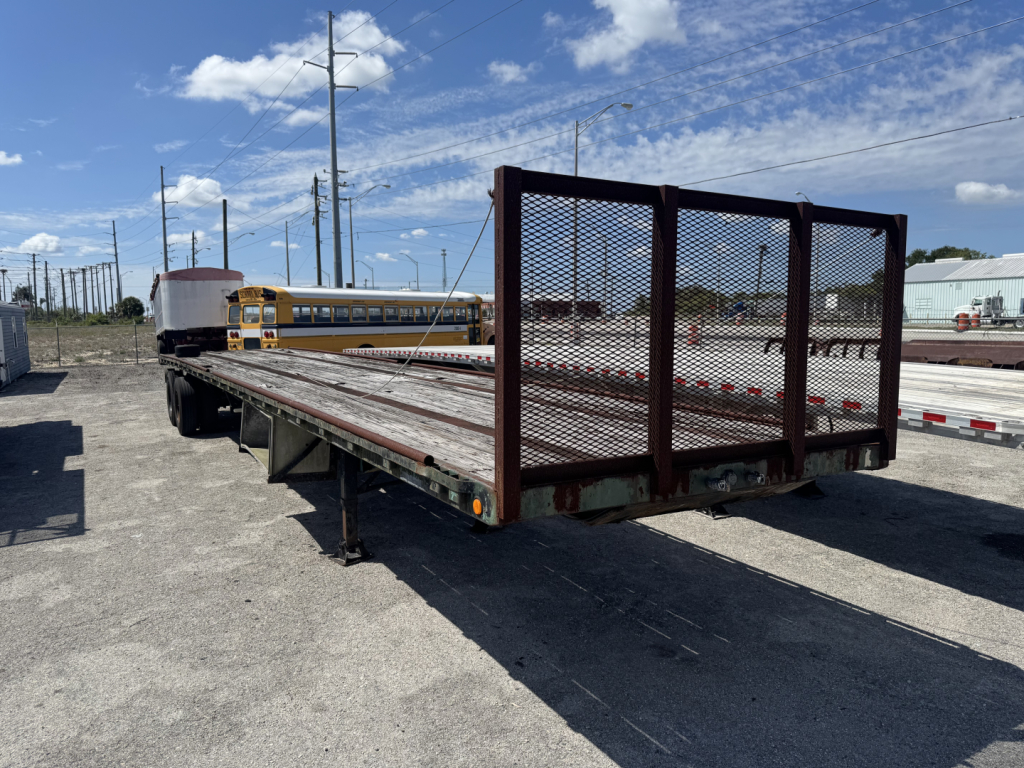
Have lufkin flatbed trailer to sell? List it here to reach thousands of buyers.
About Lufkin Flatbed Trailers in Florida
Deck construction and running gear have a direct effect on operating cost. Wood floors are common on flatbeds because they provide good traction and are easier to repair in sections, but buyers should inspect for rot, soft spots, fastener pull-through, and uneven wear from concentrated loads. Tire size, often 11R22.5 on older units, should be checked for match, remaining tread, wheel condition, and overall replacement cost across the trailer. Suspension type, axle alignment, slack adjusters, air lines, lights, and ABS components all deserve close attention on a used flatbed, especially if the trailer has spent years in heavy commodity service.
A Lufkin flatbed trailer is best evaluated by how it matches your freight and securement routine. Deck length, trailer weight, and axle placement affect how easily you can position coils, bunks of lumber, pipe, or crated equipment while staying legal on bridge laws and axle weights. Stake pockets, rub rails, winches, and chain tie-down points are key details because they determine how efficiently a driver can secure mixed loads. In Florida service, corrosion can show up in wiring, air system fittings, brake components, and understructure areas exposed to humidity and coastal conditions, so underside inspection is especially important.
For many buyers, the appeal of an older Lufkin flatbed is simple mechanical design and proven utility. These trailers are commonly used as general freight platforms, also known as open-deck trailers, and they remain a practical choice when the structure is sound and parts support for common wear items is still straightforward. The best purchase usually comes down to legal payload potential, deck condition, and how much reconditioning is needed to put the trailer directly into revenue service.
Frequently Asked Questions
What should I inspect first on a used Lufkin flatbed trailer?
Start with the main frame, crossmembers, deck, suspension, brakes, tires, and wheel ends. On an older flatbed, structural condition matters more than cosmetics. Look closely for cracks, bent rails, patched crossmembers, deck sag, rust scale, brake chamber condition, air leaks, and uneven tire wear that could point to axle alignment or suspension problems.
What size is common for a Lufkin flatbed trailer?
A common configuration is 48 feet long by 102 inches wide, which is a standard flatbed size for general freight. That length handles a wide range of legal loads and works well for steel, lumber, machinery, and palletized products. Exact capacity depends on trailer tare weight, axle rating, and overall structural condition.
Are older Lufkin flatbed trailers still a practical buy?
Yes, if the trailer has a sound frame and does not need major structural work. Many older flatbeds remain productive because the design is simple and many wear items such as brakes, tires, lights, hubs, and suspension components are serviceable through common trailer parts channels. The value depends on how much money is needed to bring the deck, running gear, and lighting up to dependable operating condition.
What features matter most for cargo securement on a flatbed trailer?
Rub rails, stake pockets, winches, chain tie-down points, and a solid deck surface are the basics. Buyers should match the securement hardware to their freight mix. Steel, pipe, machinery, and building materials all place different demands on strap placement, chain angles, and edge protection, so the right tie-down layout can save time and reduce cargo claim risk.
Does Florida use affect flatbed trailer condition?
Florida conditions can accelerate corrosion in exposed metal, wiring connections, brake components, and air fittings because of humidity, rain, and coastal salt exposure. Sun exposure also takes a toll on tires, hoses, and wood decking over time. A Florida trailer should be inspected carefully underneath and around all electrical and air system connection points.