
Fontaine Flatbed Trailers For Sale in New York
Browse Fontaine flatbed trailers for sale in New York. Compare steel and combo deck specs, axle setups, capacities, and load securement features.
Learn more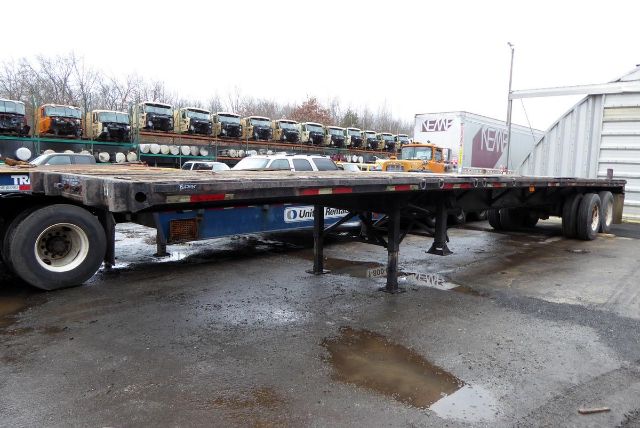
Have fontaine flatbed trailer to sell? List it here to reach thousands of buyers.
About Fontaine Flatbed Trailers in New York
A buyer comparing Fontaine flatbeds should pay close attention to length, deck height, and frame design. Common lengths include 45-foot, 48-foot, and 53-foot platforms, with steel, aluminum, and combination steel-aluminum construction all found in the market. Steel trailers tend to offer durability and straightforward repairability, while aluminum or combo designs help reduce tare weight and increase payload. Flooring is often wood over steel or aluminum crossmembers, and deck condition matters because forklifts, coils, bundled steel, and concentrated loads can expose weak spots quickly. Axle layout is another major decision. Sliding tandems add flexibility for bridge law compliance and axle spread adjustments, while suspension type, tire size, wheel spec, and brake condition all affect operating cost and serviceability.
Fontaine flatbeds are often selected for general commodity hauling because the platform is versatile and easy to load from the side, rear, or overhead. Buyers should look for practical features such as winches, rub rails, stake pockets, D-rings, chain ties, and scuff protection around high-wear areas. If the trailer will haul dense freight, load concentration rating is critical, especially on older 45-foot and 48-foot units. A trailer may have the gross capacity on paper, but deck rating and frame condition determine how well it handles concentrated weight in real service. In a Northeast market, corrosion around crossmembers, suspension hangers, slider assemblies, air lines, and electrical connections deserves close inspection, especially on used steel trailers that have seen winter road treatment.
The best Fontaine flatbed for a given operation depends on the freight mix and the tractor it will run behind. A lighter combo trailer may make sense for maximizing payload on legal freight, while a heavier all-steel platform can be the better fit for severe-duty use and frequent loading damage. Buyers should also confirm kingpin setting, overall trailer height with typical freight, landing gear condition, and the current state of the brakes, bearings, and tires. For operators hauling coils, machinery, building products, or general construction material, a well-spec'd Fontaine flatbed remains a practical trailer class because it is simple, adaptable, and easy to put to work across a wide range of lanes.
Frequently Asked Questions
What should I look for first when buying a used Fontaine flatbed trailer?
Start with the structural items that determine capacity and remaining service life. Inspect the main beams, crossmembers, floor, suspension mounts, slider rails if equipped, and the area around the kingpin and landing gear. On a flatbed, deck condition and frame integrity matter more than appearance because concentrated loads and forklift traffic create fatigue over time. Brake condition, tire wear, wheel-end service history, and corrosion from Northeast road salt should also be reviewed before comparing cosmetic details.
Are Fontaine flatbed trailers available in steel, aluminum, or combo construction?
Yes. Fontaine flatbeds can be found in all-steel, all-aluminum, and combination designs depending on model and age. Steel construction usually offers toughness and easier repair in severe service, but it adds tare weight. Aluminum and combo trailers reduce empty weight and can improve payload, which matters for operators hauling legal maximum freight. The right choice depends on freight density, loading environment, and how important low maintenance weight savings are to the operation.
Why does load concentration rating matter on a flatbed trailer?
Load concentration rating tells you how much weight the trailer can support within a specified portion of the deck rather than across the full trailer length. That is critical for steel, machinery, coils, and other dense freight that puts heavy weight in a short footprint. A trailer may show a high GVWR, but if the deck and frame are not rated for concentrated loading, it may not be suitable for the freight you plan to haul. Buyers should match the trailer's concentrated load rating to their real-world commodity mix.
Is a sliding tandem important on a Fontaine flatbed?
For many operations, yes. A sliding tandem helps balance axle weights, meet bridge law requirements, and adapt the trailer to different load lengths and loading positions. That flexibility is especially useful in regional and multi-state work where freight dimensions and legal requirements vary. A fixed tandem setup can be simpler, but a slider often gives the driver and dispatcher more options when trying to keep a load legal and practical.
What securement features are common on Fontaine flatbed trailers?
Common securement features include stake pockets, rub rails, sliding winches, winch track, chain ties, and D-rings. These features determine how easily the trailer can handle straps, chains, edge protection, and specialized tiedown patterns for different freight types. Buyers should think about the commodities they haul most often. A trailer used for machinery, steel, or building materials benefits from a securement package that supports both chain and strap work without adding unnecessary modifications later.