
Fontaine Flatbed Trailers For Sale in New Mexico
Browse Fontaine flatbed trailers for sale in New Mexico. Compare 48-foot and 53-foot specs, deck types, axle setups, and securement features.
Learn more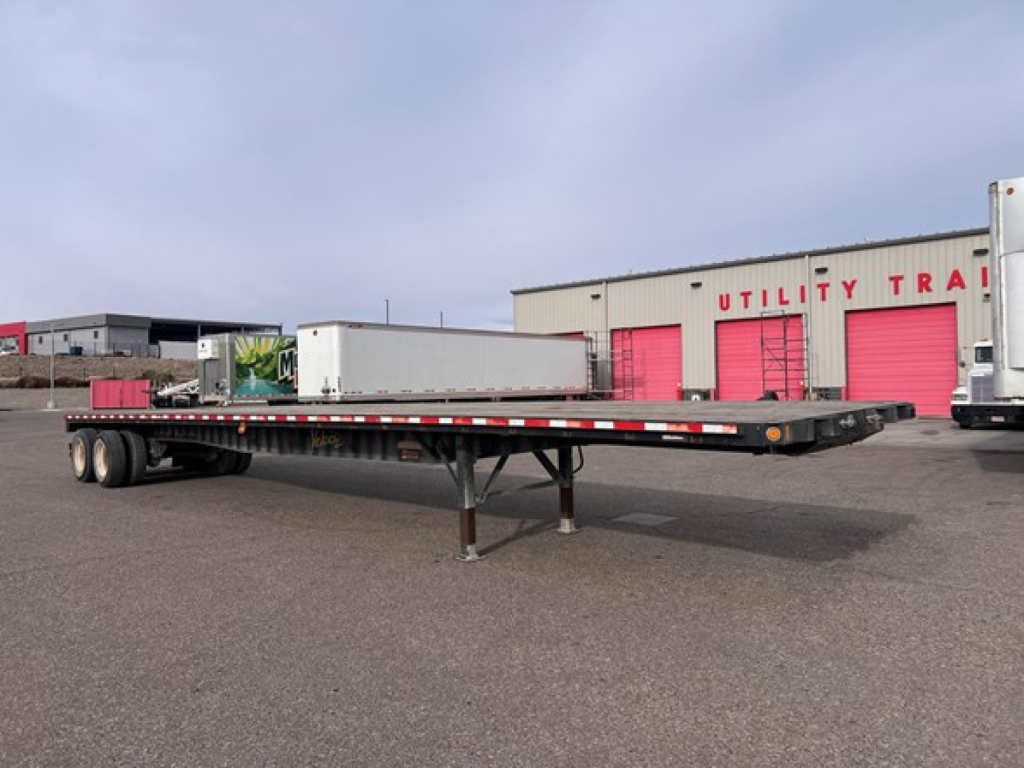
Have fontaine flatbed trailer to sell? List it here to reach thousands of buyers.
About Fontaine Flatbed Trailers in New Mexico
Construction details matter on a flatbed because payload, durability, and repair cost all start with the frame. Fontaine flatbeds are commonly found with steel construction, though the exact trailer spec can vary by age and intended application. Buyers should look closely at main beam condition, crossmember spacing, rail design, and overall deck integrity. Wood decks remain common because they are easy to maintain and friendly to a wide range of cargo, while aluminum components can reduce tare weight on certain configurations. Securement equipment is just as important as the base trailer. Stake pockets, rub rails, sliding winches, winch tracks, pipe spools, and chain tie-down points all affect how easily the trailer can handle mixed freight.
Suspension and running gear should match the work. Air ride is common on road-going flatbeds because it helps protect freight and improves ride quality, especially on longer regional and interstate routes. A sliding tandem can add flexibility when adjusting axle weight distribution, while a fixed tandem may be simpler for fleets with consistent freight patterns. Wheel type, brake condition, tire life, lighting, and ICC bumper condition all deserve a close inspection on a used trailer. If the trailer will see rough yard surfaces, oilfield access roads, or repeated forklift loading, pay extra attention to frame straightness, deck wear, and evidence of rail or suspension repairs.
For buyers comparing Fontaine flatbed trailers for sale, the right unit usually comes down to freight profile more than brand name alone. A lighter spec trailer may help maximize legal payload, while a heavier steel-spec flatbed can be the better fit for tougher service and repeated side-loading. In New Mexico, route length, desert climate, and cargo mix can all influence the best choice. A trailer with the right securement layout, axle spread, and deck condition will usually deliver more value than one with extra features that do not match the job.
Frequently Asked Questions
What should I look for when buying a used Fontaine flatbed trailer?
Focus first on structural condition and securement equipment. Check the main beams, crossmembers, side rails, deck, suspension mounts, and tandem assembly for cracks, corrosion, poor repairs, or signs of hard loading. On a flatbed, usable tie-down equipment matters every day, so inspect stake pockets, rub rails, winches, tracks, and pipe spools for wear or damage. Also review tire condition, brake components, lights, air system integrity, and slider operation if the trailer has a sliding tandem.
Is a 48-foot or 53-foot Fontaine flatbed better for my operation?
A 48-foot flatbed is still a common choice for general freight and can be easier to position in tighter yards or jobsites. A 53-foot flatbed offers more deck space and can improve load flexibility for longer freight or larger pallet counts, but it may add routing and weight-distribution considerations depending on the load and jurisdiction. The better choice depends on commodity type, customer loading practices, and the lanes the trailer will run most often.
Why does a sliding tandem matter on a flatbed trailer?
A sliding tandem lets the operator shift the axle position to help manage bridge compliance and axle weight distribution. That flexibility can be valuable when hauling different freight lengths, densities, or loading patterns. For carriers that haul a wide mix of loads, a slider often improves dispatch flexibility. For operations with highly consistent freight, a fixed tandem may be adequate and mechanically simpler.
Are steel flatbed trailers a good choice for New Mexico hauling?
Steel flatbeds can be a strong fit for demanding service, repeated forklift loading, and tougher jobsite conditions because they are generally robust and familiar to repair. The tradeoff is higher tare weight compared with lighter-spec alternatives, which can reduce payload on weight-sensitive freight. In New Mexico, buyers often weigh durability against payload, especially if the trailer will alternate between highway work and rougher access roads.