
Fontaine Flatbed Trailers For Sale in Louisiana
Browse Fontaine flatbed trailers for sale, including common specs, deck options, axle setups, and hauling applications for Louisiana fleets.
Learn more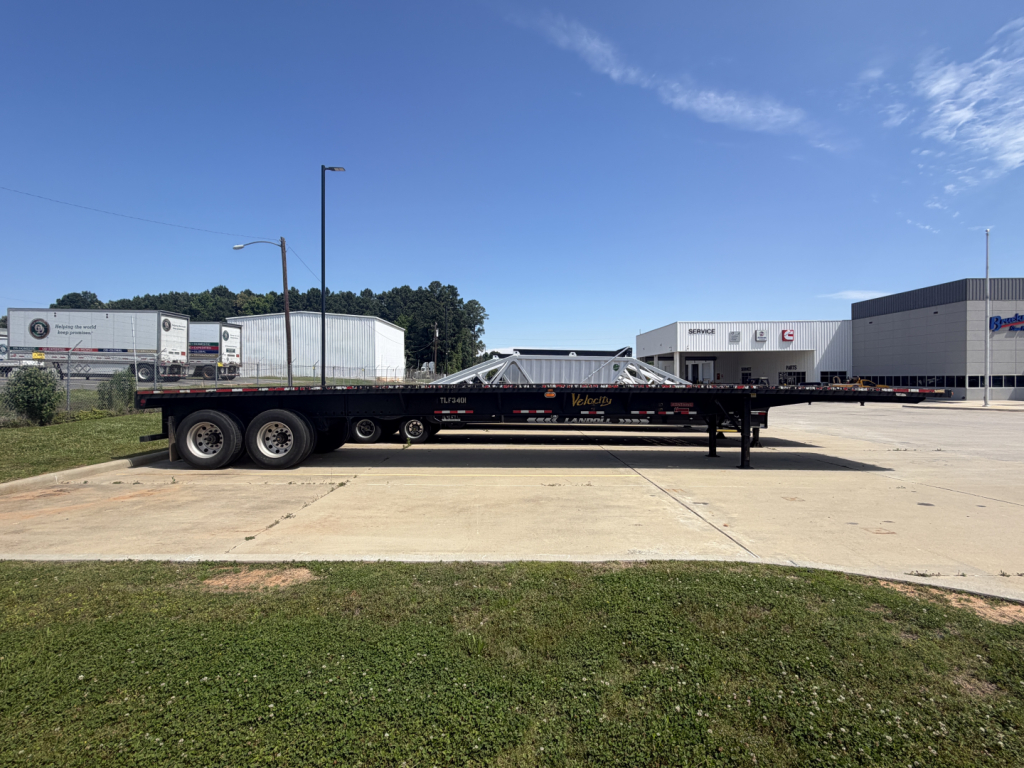
Have fontaine flatbed trailer to sell? List it here to reach thousands of buyers.
About Fontaine Flatbed Trailers in Louisiana
A typical Fontaine flatbed trailer in this category is a 48-foot by 102-inch tandem axle setup, though specifications can vary by model and intended service. Steel flatbeds remain popular for tough vocational work and repeated loading cycles, while aluminum or combo designs appeal to operations trying to maximize payload. Important details include deck height, crossmember spacing, concentrated load ratings, apitong or hardwood flooring condition, winch track layout, rub rail design, and the number and placement of chain spools, stake pockets, and D-rings. Air ride suspension, sliding tandems, aluminum wheels, tire inflation systems, and ABS are also common points buyers compare when narrowing down trailers.
The right Fontaine flatbed depends heavily on freight mix and loading method. Forklift-loaded freight benefits from a strong, even deck and predictable side access. Crane-loaded material often calls for clear deck space, reliable tie-down points, and frame strength suited to concentrated loads. Buyers hauling steel coils, machinery, pipe, or palletized construction products should pay attention to legal weight distribution, kingpin setting, rear axle spread, and how the trailer tracks when loaded on mixed Louisiana routes that can include ports, industrial corridors, and rough secondary roads. A trailer that fits the lane requirements at shippers and still gives enough securement options usually performs better than one chosen on length alone.
When comparing used Fontaine flatbed trailers, condition matters more than age by itself. Check for frame repairs, cracked welds, floor rot, bent crossmembers, suspension wear, brake life, and signs of impact around the rear sill and landing gear. Tire condition, wheel-end service history, lighting reliability, and any evidence of uneven deck wear can tell you a lot about prior use. For many fleets and owner-operators, a well-maintained Fontaine flatbed holds value because it stays versatile across a wide range of open-deck freight and can be spec'd for both regional and over-the-road service.
Frequently Asked Questions
What are the most common specs on a Fontaine flatbed trailer?
Many Fontaine flatbed trailers are built in a 48-foot by 102-inch configuration with tandem axles, but actual specs depend on the model and application. Buyers usually compare frame material, deck type, suspension, axle placement, and securement equipment first. Steel models are common in heavy-duty service, while lighter configurations may be preferred when payload capacity is the priority.
Is a steel Fontaine flatbed a good choice for heavy freight?
A steel Fontaine flatbed is often a strong fit for demanding freight such as steel products, machinery, pipe, and dense building materials. Steel construction can offer durability under repeated loading and unloading, especially in tough vocational service. The tradeoff is higher tare weight compared with aluminum or combo trailers, so the best choice depends on whether durability or payload is more important in your operation.
What should I inspect on a used Fontaine flatbed trailer?
Focus on structural and wear items before cosmetics. Inspect the main frame, crossmembers, flooring, suspension, brakes, tires, wheel ends, landing gear, and rear impact area. It is also important to look for corrosion, poor repairs, cracked welds, bent components, and worn tie-down hardware because these directly affect service life, safety, and how the trailer handles loaded freight.
Why does kingpin setting matter on a flatbed trailer?
Kingpin setting affects weight distribution between the tractor and trailer axles, turning clearance, and how the combination fits different state bridge and overall length requirements. On a flatbed, that matters because freight position can vary significantly by commodity. A trailer with the right kingpin setting for your tractors and lanes can make it easier to stay legal and distribute weight efficiently.
Are Fontaine flatbed trailers suitable for Louisiana service?
Fontaine flatbed trailers are commonly used in Gulf Coast and Southern operations, but buyers in Louisiana should pay close attention to corrosion exposure and maintenance history. Humidity, rain, and proximity to coastal environments can affect frames, wiring, brake components, and flooring over time. A properly maintained trailer with solid structural condition can perform well in both regional and port-related freight service.