
Dump Trailers For Sale in Indiana
Browse dump trailers for sale in Indiana, including end dumps with steel tubs, common specs, axle setups, gate options, and hauling applications.
Learn moreBrowse Dump Trailers by Make
Have dump trailer to sell? List it here to reach thousands of buyers.
About Dump Trailers in Indiana
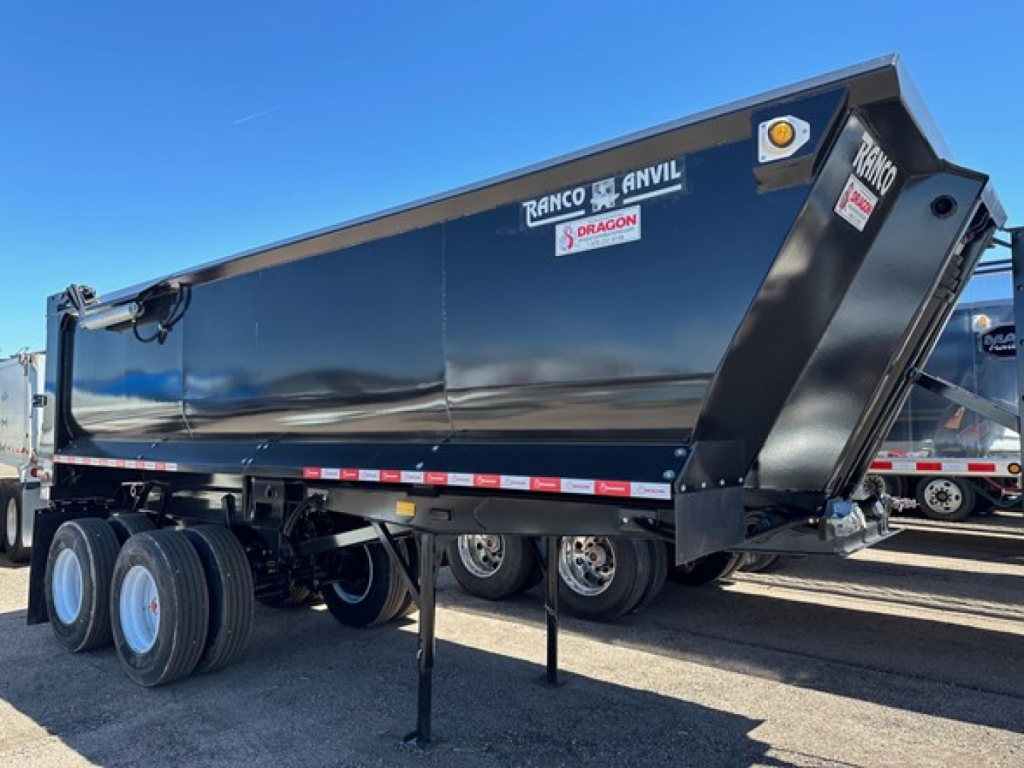
Body shape matters more than many first-time buyers expect. Half-round and elliptical dump trailers are popular because they shed sticky material better than square bodies and reduce carryback, which helps with cycle time and cleanup. A quarter-frame end dump is common in heavy material applications because it balances body support with lower empty weight than a full-frame design. Buyers should compare tub length, cubic yard capacity, side height, and overall trailer length against the type of material they haul most often. A 22-foot steel end dump in the 25 cubic yard range is a common setup for dense commodities where payload is limited by weight before volume, while larger capacities make more sense for lighter bulk materials.
Running gear and stability are key buying points, especially in Indiana where dump trailers may see a mix of highway miles, quarries, transfer stations, paving jobs, and uneven jobsite surfaces. Tandem axles are common for straightforward payload and maintenance considerations, while suspension choice affects durability and ride quality under heavy use. Single-point suspensions are widely used in vocational dump service for strength and simplicity. Buyers should also look closely at wheel type, brake setup, kingpin setting, hoist geometry, and landing gear style. Fixed axle setups are standard on many end dumps, and details like bolt-on fenders, front ladders, mudflaps, and DOT lighting matter because they affect daily usability and compliance, not just appearance.
Gate configuration is another major decision. High-lift gates help when unloading larger chunks of material or when a cleaner discharge is needed, while top-hinge air-operated gates are common for controlled dumping and operator convenience. Spreader aprons can add flexibility for certain road work and site prep applications. For used dump trailers, buyers should inspect the hoist, hinge points, crossmember condition, floor thickness, sidewall wear, and signs of stress cracking around the suspension and frame connection points. A good dump trailer should match the material, the route, and the unloading surface. When the spec is right, a dump trailer becomes a high-cycle vocational asset rather than a trailer that is always one commodity away from being the wrong tool.
Frequently Asked Questions
What is the difference between an end dump trailer and other dump trailer types?
An end dump trailer raises the front of the body and discharges material out the rear gate. It is widely used for aggregate, demolition debris, rock, asphalt millings, and bulk construction materials because it unloads quickly and offers strong cubic yard capacity. Compared with side dumps or bottom dumps, an end dump is usually simpler to match with general construction hauling, but it requires attention to ground conditions and trailer stability during the dump cycle.
Is a steel dump trailer better than an aluminum dump trailer?
A steel dump trailer is usually the better choice for abrasive and high-impact materials such as rock, riprap, scrap, and demolition debris. Steel bodies, especially with AR400 liners or tubs, resist wear better and hold up well in severe-duty service. Aluminum dump trailers are lighter and can improve payload on legal-weight freight, but they are typically chosen for operators who prioritize tare weight and haul materials that are less punishing on the body.
Why do many buyers prefer half-round or elliptical dump bodies?
Half-round and elliptical dump bodies are designed to improve material flow and reduce carryback. Their curved shape helps sticky or wet material release more cleanly than a square body, which can shorten unload times and reduce the need for manual cleanup. They are especially common in aggregate and road construction work where efficient discharge and lower material hang-up are important.
What should I inspect on a used dump trailer before buying?
The most important areas to inspect are the hoist, body floor, hinge assembly, suspension mounts, frame rails, and gate hardware. Look for floor thinning, weld repairs, cracked crossmembers, bent structure, and stress around the hoist cradle or suspension connection points. Also check the hydraulic system, brakes, tires, wiring, and landing gear. On a dump trailer, structural condition matters more than paint because hard use often shows up first in the body and running gear.
What dump trailer specs matter most for hauling heavy material in Indiana?
For heavy material, buyers should focus on body construction, axle configuration, suspension type, cubic yard capacity, and gate design. A steel end dump with a wear-resistant tub, tandem or tri-axle running gear, and a body size matched to commodity density is a common choice for Indiana aggregate and construction work. Capacity should be selected based on legal payload, not just volume, because dense material can max out weight well before the trailer is full.