
Used Great Dane Dump Trailers For Sale
Used Great Dane dump trailers for sale, including common specs, body styles, liner materials, axle setups, tarp options, and hauling uses.
Learn more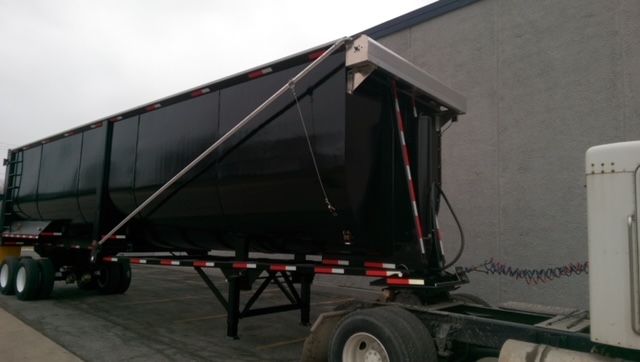
Have used great dane dump trailer to sell? List it here to reach thousands of buyers.
About Used Great Dane Dump Trailers
The most important buying decision is matching the trailer to the material hauled and the roads it sees every day. Aggregate, demolition debris, asphalt, scrap, and agricultural commodities all stress a dump trailer differently. Steel bodies handle impact and abrasion well, especially in severe-service applications, while aluminum-focused buyers usually prioritize tare weight and payload. On a used Great Dane dump trailer, inspect the floor thickness, sidewall condition, hoist mounting points, crossmember integrity, hinge area, and the upper rail for signs of distortion or past overloading. Suspension type, axle rating, brake condition, tire wear, and any evidence of frame cracking should be evaluated closely because a dump trailer lives under repeated stress during loading and unloading.
Operational details can make a meaningful difference in uptime. Common buyer priorities include electric or manual tarp systems, air ride or spring suspension, lift axles, tire inflation systems, liner condition, and gate configuration. If the trailer will run in sticky material, look at how well the body shape supports clean release and whether the gate seals and latch hardware are still tight. Hoist performance also matters. A straight, stable lift and smooth cycle under load usually tells you more than paint or cosmetic work. If the trailer has had major body work, verify how much of the shell, floor, and structural steel was replaced and whether the rebuild addressed wear points rather than just appearance.
Great Dane is a recognized name across the trailer market, and used dump trailers from this make are often evaluated on service history, structural condition, and spec suitability more than age alone. A well-maintained older trailer with a sound body, solid running gear, and the right body material can be a better fit than a newer unit built for a different application. Buyers comparing listings should focus on body design, steel grade, cubic capacity, axle spacing, suspension, liner and tarp options, and any recent repairs to the hoist, frame, or body. Those details will determine payload efficiency, maintenance cost, and how well the trailer fits the job cycle.
Frequently Asked Questions
What should I inspect first on a used Great Dane dump trailer?
Start with the body, floor, frame, and hoist area. Look for cracks, weld repairs, thin spots in the floor, bowed sidewalls, hinge wear, and any distortion around the hoist mounts or rear frame. Then check suspension, axles, brakes, tires, and wheel ends. On a dump trailer, structural condition usually matters more than cosmetic appearance because the trailer is exposed to repeated high-load stress.
What is the advantage of a round-bottom dump trailer?
A round-bottom dump trailer is designed to discharge material quickly and cleanly, which is especially useful for sand, gravel, millings, and similar aggregate loads. The curved body helps reduce material hang-up and can improve unload speed. Buyers hauling sticky or compacting products still need to evaluate liner condition, gate seal, and body wear, but round-bottom designs are widely preferred for high-cycle bulk hauling.
Are steel dump trailers better than aluminum dump trailers?
Steel dump trailers are generally preferred for abrasive, high-impact materials because they resist floor and wall wear better in severe-service applications. Aluminum trailers are often selected when tare weight and payload are the top priority. The right choice depends on the commodity, the loading method, haul distance, and how rough the jobsite is. On the used market, body condition and correct spec are more important than choosing by material alone.
Do tarp systems and tire inflation systems add value on a used dump trailer?
Yes, if they are functional and suited to the operation. An electric tarp system improves load control and compliance, especially on frequent short-haul work. A tire inflation system can help extend tire life and reduce roadside downtime when maintained properly. Buyers should confirm that motors, arms, lines, and controls work correctly because optional equipment only adds value when it is complete and serviceable.
How do I know if a used dump trailer is spec'd for my application?
Match the trailer's body style, length, capacity, body material, axle configuration, suspension, and gate setup to the material you haul and the roads you run. Aggregate and asphalt work may call for a different body and floor spec than scrap, demolition, or agricultural use. Also verify local bridge and weight rules, because axle spacing and overall configuration can affect legal payload and route flexibility.