
Fontaine Drop Deck Trailers For Sale in Alabama
Explore Fontaine drop deck trailers with common specs, weight-saving designs, and hauling features for freight that needs lower deck height.
No exact matches found for your search
Showing Fontaine Drop Deck Trailers instead.
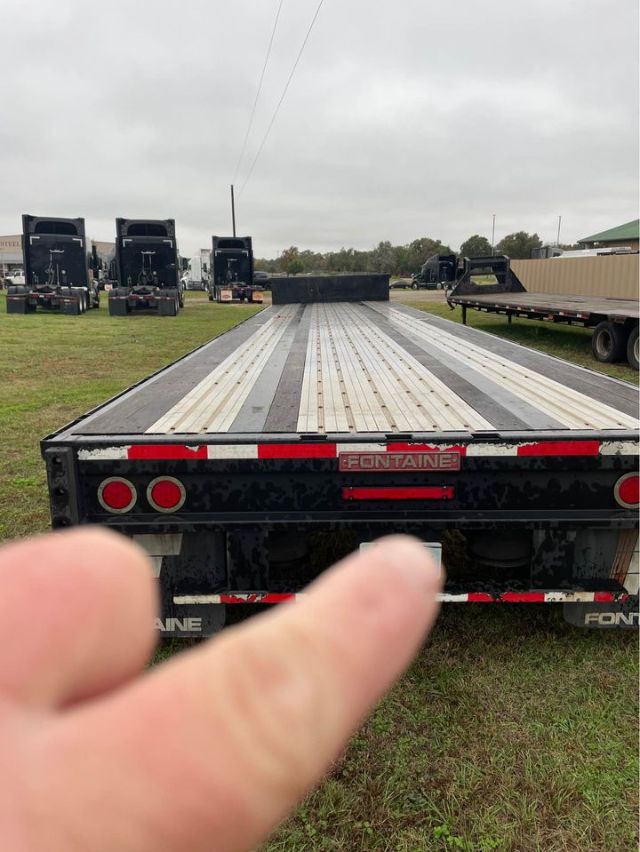
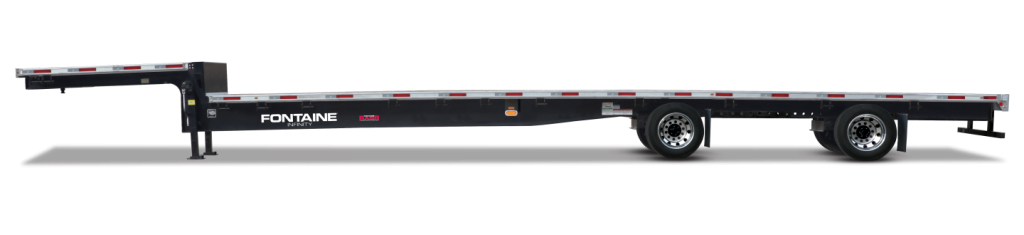
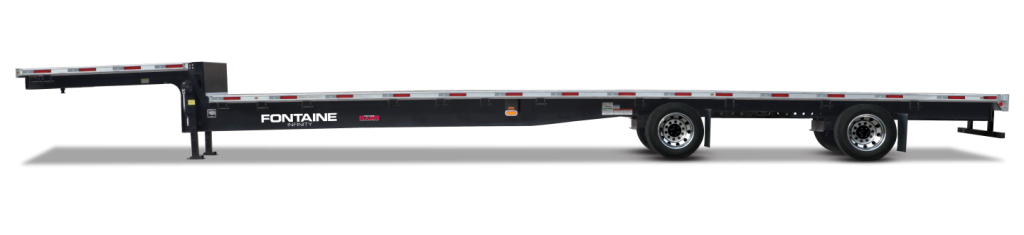
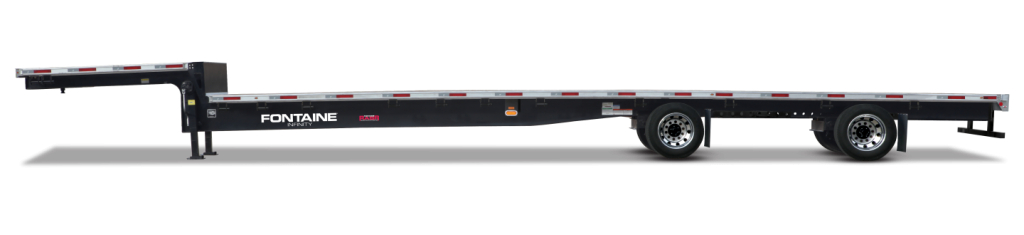
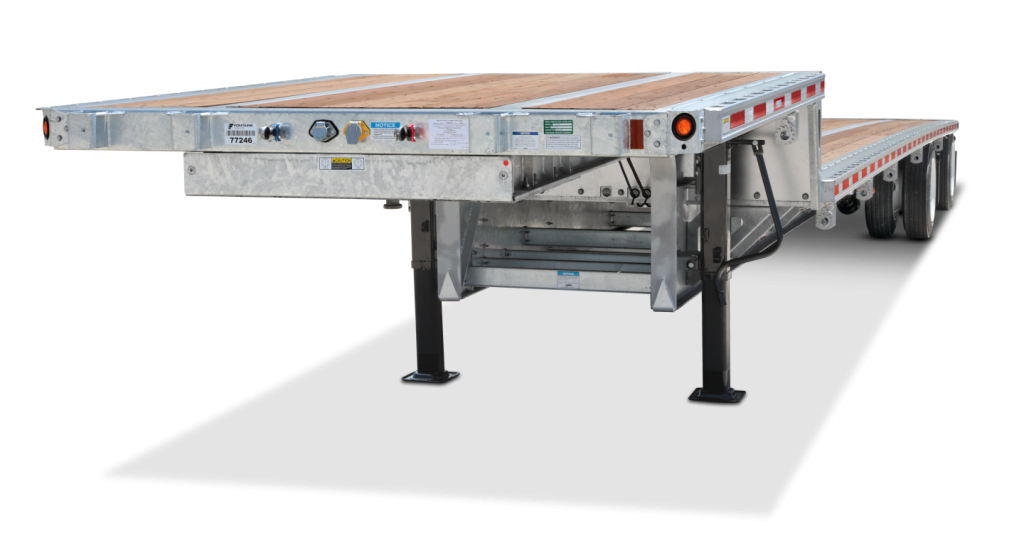
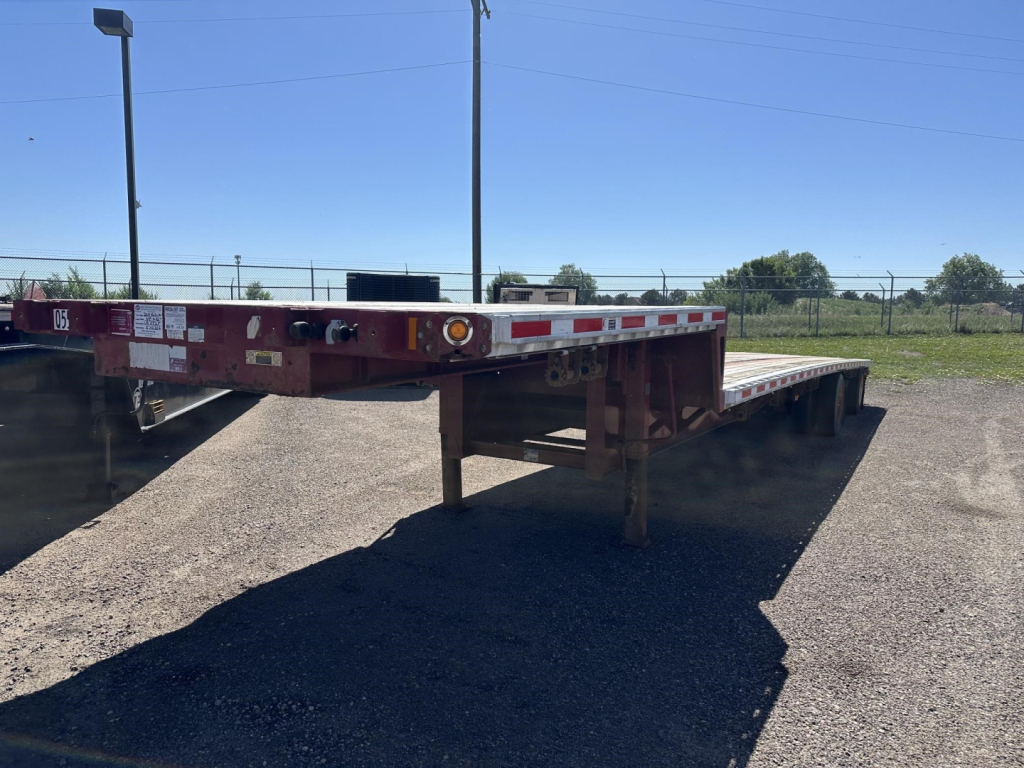
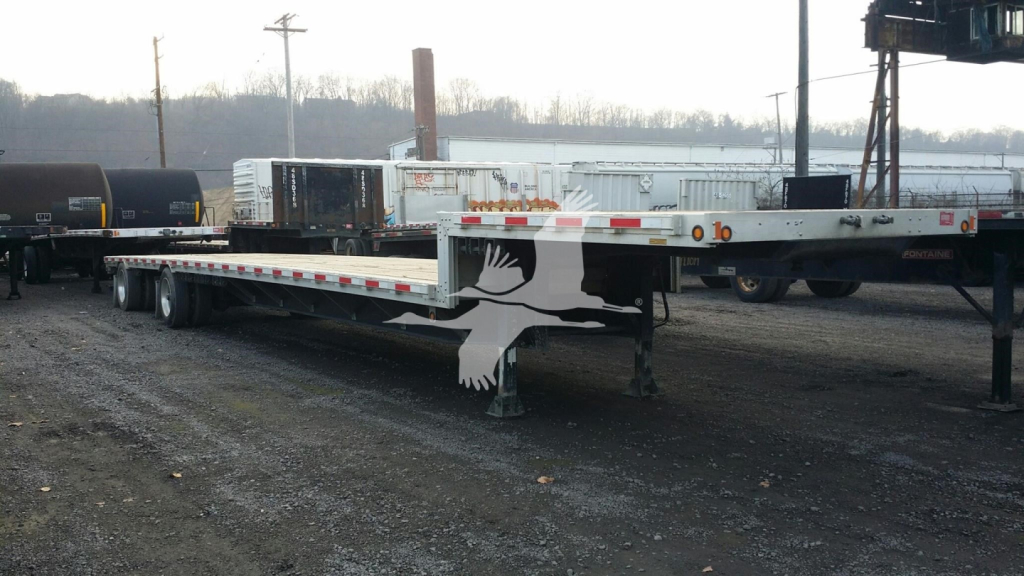
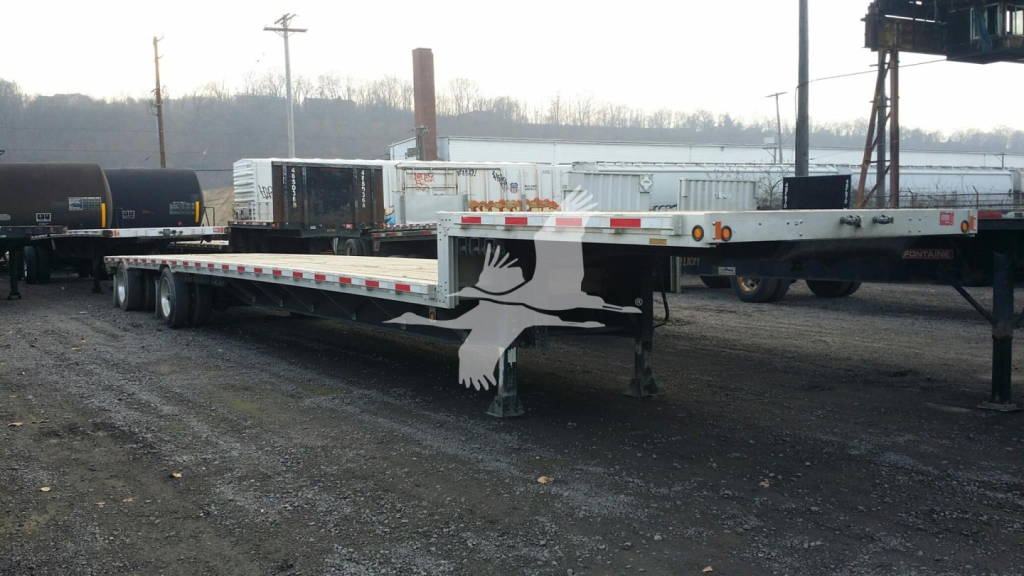
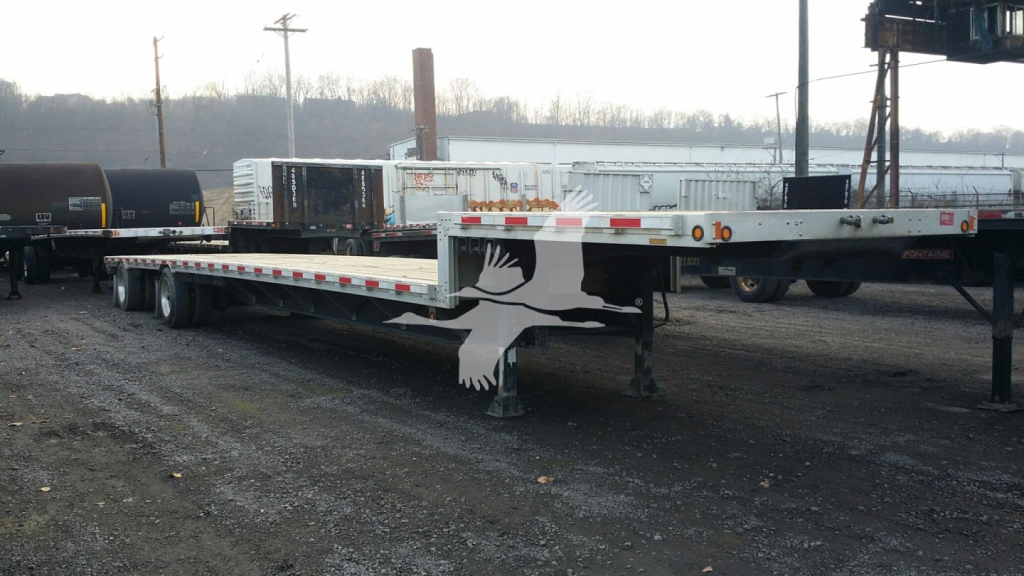
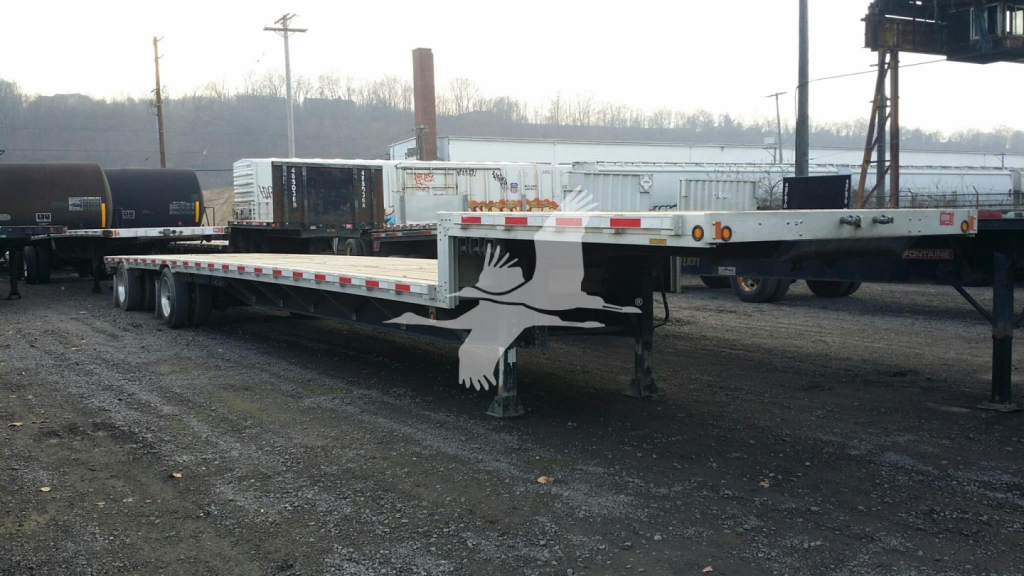
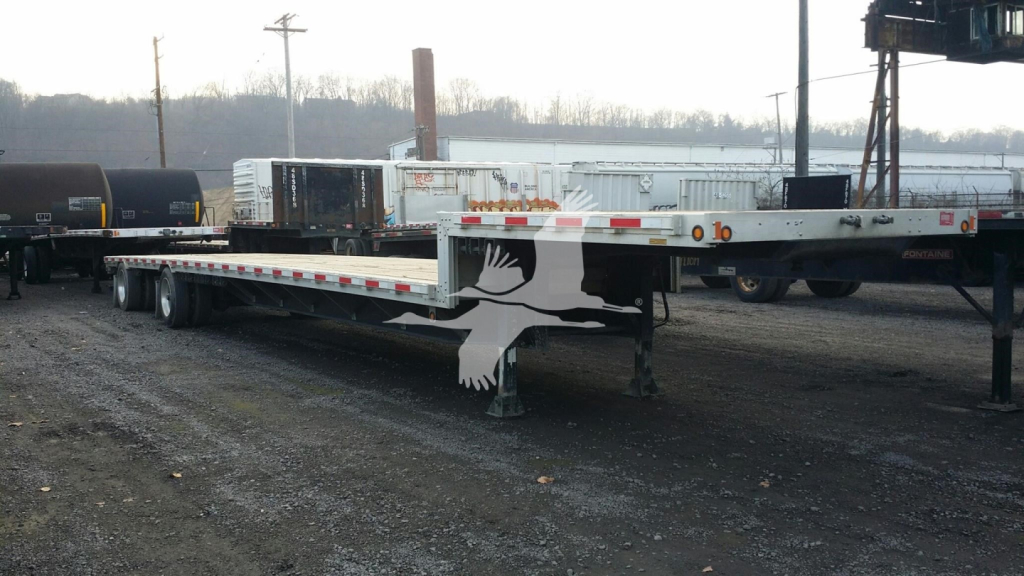

Selling a fontaine drop deck trailer? List your fontaine drop deck trailer for sale and reach thousands of commercial buyers.
Fontaine Drop Deck Trailers in Alabama
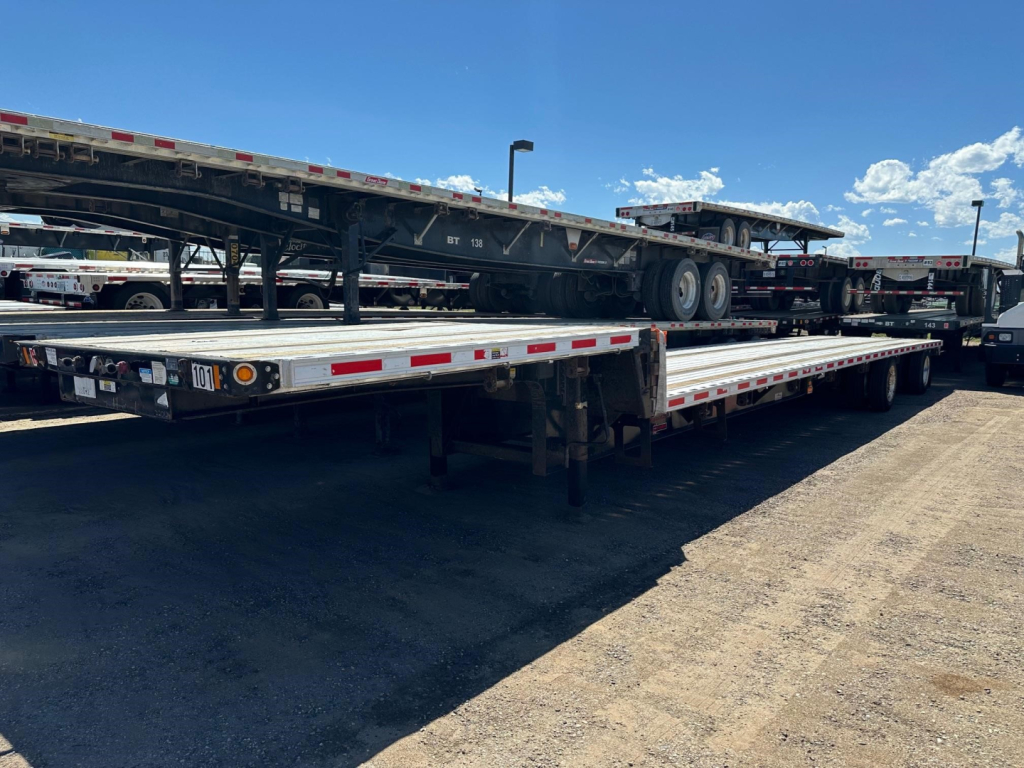
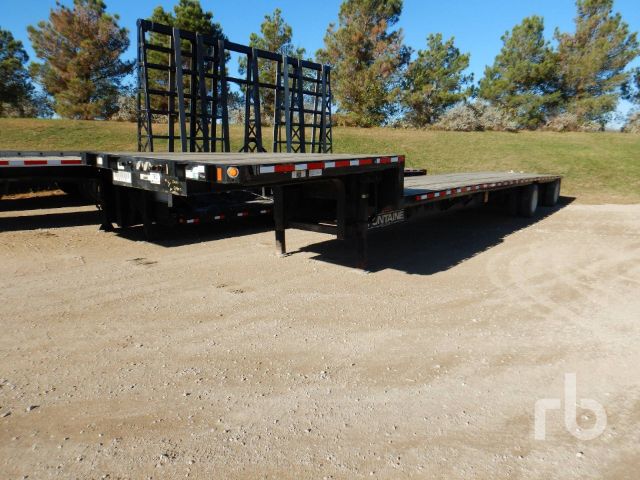
A key buying point on a Fontaine drop deck is the balance between tare weight and structural durability. Many Fontaine designs are aimed at operators who want strong main beams, consistent crossmember spacing, and a deck layout that stands up to repeated forklift loading without giving away too much payload. Common specs in this category include a 48-foot overall length, 102-inch width, steel construction, air ride suspension, widespread tandem axles, and standard legal load configurations. Buyers often compare upper deck length, lower deck length, loaded deck height, and concentrated load rating before anything else, because those numbers directly affect what the trailer can legally and practically haul.
Construction details matter on a used or new step deck. Look closely at beam design, flange thickness, knee braces, crossmember spacing, apitong or wood flooring condition, and the quality of welds around the transition area. Air ride suspensions such as Hendrickson setups are common because they help protect freight and improve ride quality, especially on mixed regional and long-haul work. Jost landing gear, chain tie-down provisions, rub rails, stake pockets, sliding winches, and securement-friendly side profiles are all worth checking. If the trailer will see frequent equipment loading, review rear approach angle, deck condition, tire size, and axle spread, since those factors affect loading ease, bridge compliance, and tire wear.
The best Fontaine drop deck trailer depends on what percentage of your freight is tall, heavy, or irregular. A lighter trailer can improve payload on general commodity freight, while a heavier-duty build may be the better fit for compact equipment, dense steel, or repeated dock and yard abuse. Alabama operations should also think about corrosion exposure, brake and suspension serviceability, and parts support across the Southeast. A well-spec'd Fontaine step deck gives carriers a broad freight profile without moving into the added cost and operational limits of a lowboy.
Frequently Asked Questions about Fontaine Drop Deck Trailers in Alabama
What is the main advantage of a Fontaine drop deck trailer compared with a standard flatbed?
The main advantage is lower deck height on the rear deck, which allows taller freight to move while staying within legal height limits. That makes a drop deck more flexible for equipment, building materials, industrial freight, and other loads that would sit too high on a standard flatbed. You still keep much of the loading simplicity of an open-deck trailer, but with more practical vertical clearance.
What specs matter most when comparing Fontaine step deck trailers?
The most important specs are overall length, upper deck length, lower deck length, loaded deck height, axle configuration, suspension type, and tare weight. Buyers should also review concentrated load rating, main beam construction, crossmember spacing, and flooring condition. These details affect legal loading, payload capacity, forklift durability, and how easily the trailer fits your freight mix.
Are widespread axles a good choice on a drop deck trailer?
Widespread axles can be a strong choice when bridge law compliance and weight distribution are important. They may help with certain load placements and can improve flexibility on heavier legal loads, depending on route and state regulations. The tradeoff is that they can affect maneuverability in tighter yards and may change tire scrub patterns, so they should match the type of hauling you actually do.
Is a steel Fontaine drop deck better than a lighter trailer design?
A steel trailer is often preferred by fleets that prioritize durability, repairability, and resistance to hard daily use. Steel construction can handle repeated loading cycles, concentrated freight, and rougher jobsite conditions well, but it usually comes with higher tare weight than lighter configurations. The right choice depends on whether your operation values maximum payload or a more rugged trailer structure.
What should I inspect first on a used Fontaine drop deck trailer?
Start with the frame, main beams, transition area, crossmembers, suspension, brakes, tires, and floor. Pay special attention to cracks, corrosion, signs of overloaded use, uneven tire wear, and damage around tie-down points and landing gear mounts. A careful inspection of weld quality, deck wear, and maintenance history will usually tell you more about remaining service life than appearance alone.