
Fontaine Drop Deck Expandable Trailers For Sale
Shop Fontaine drop deck expandable trailers with combo construction, air ride, sliding winches, and deck setups built for versatile oversize freight.
Learn moreNo exact matches found for your search
Showing Fontaine Trailers instead.
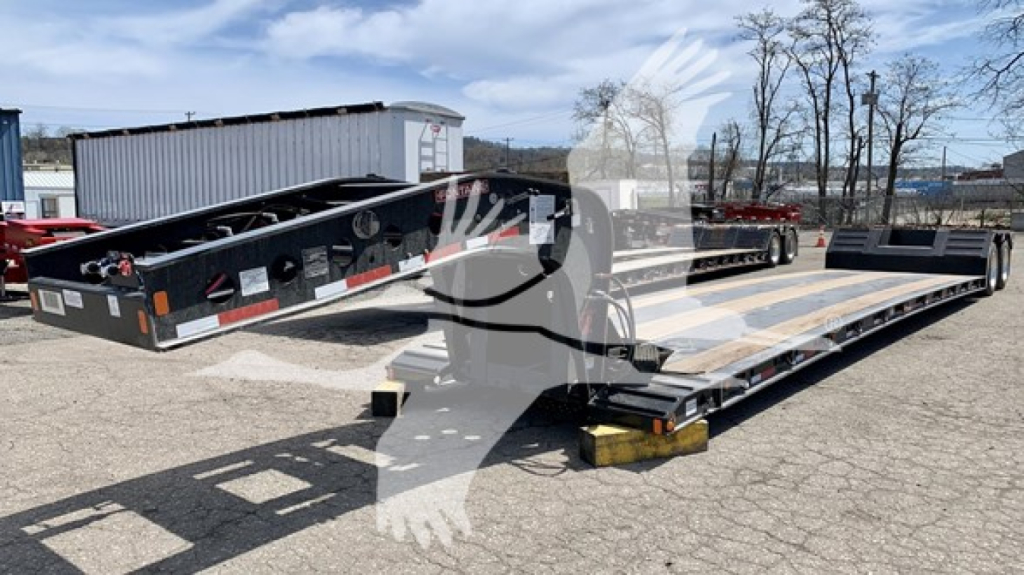
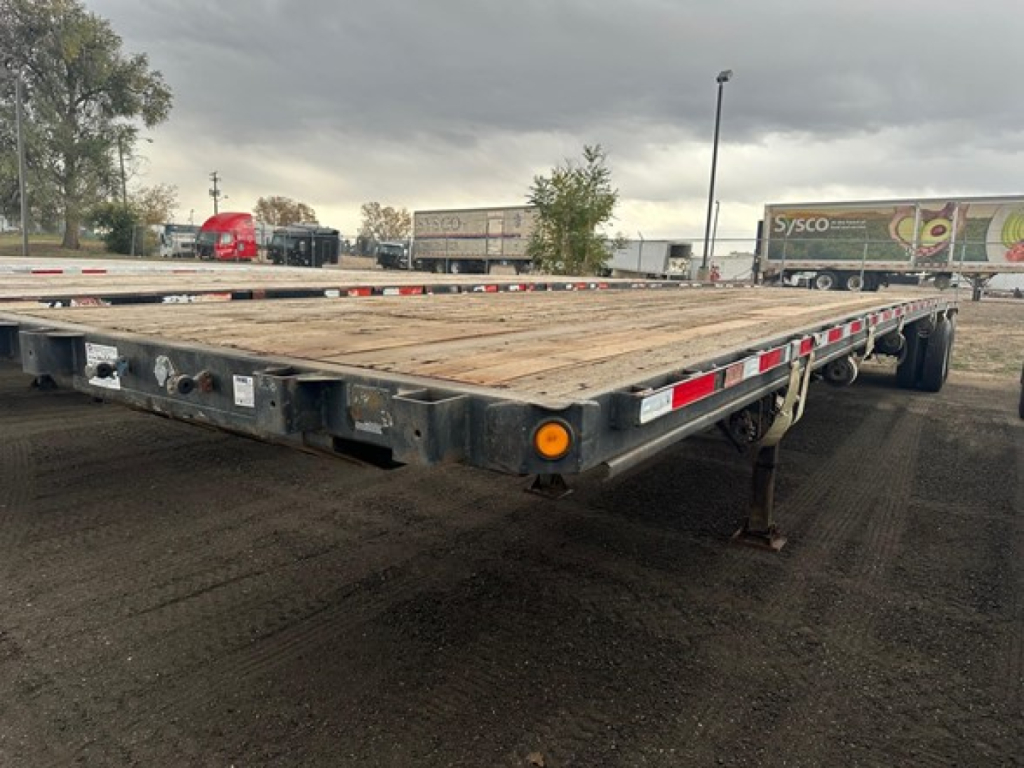
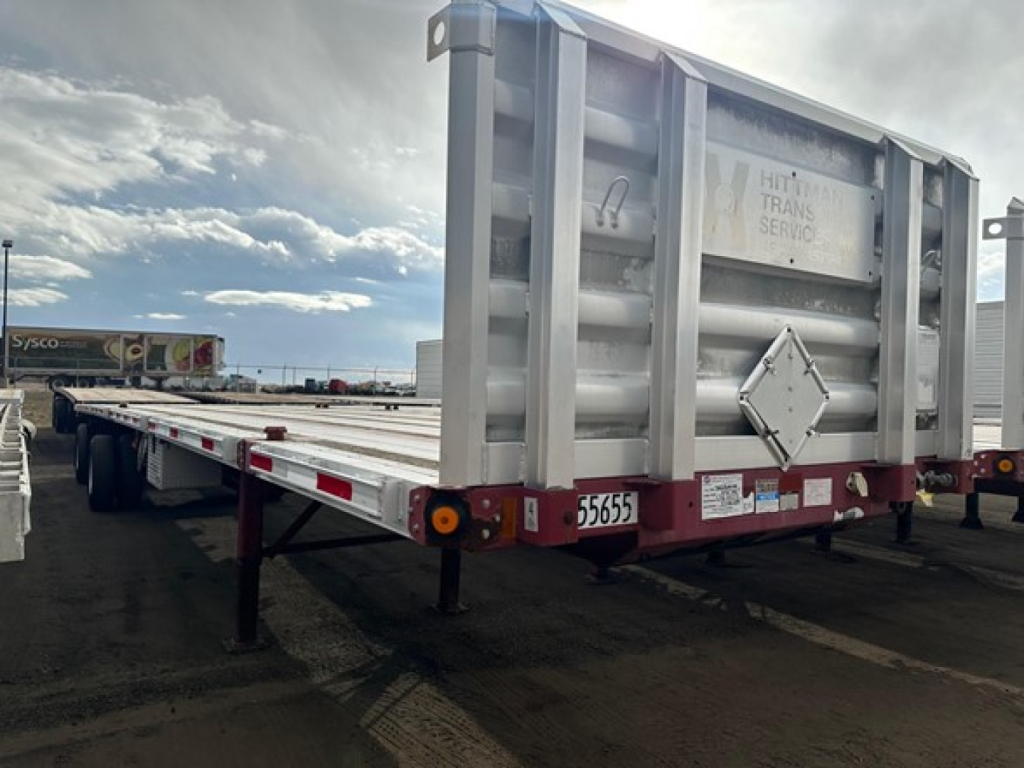
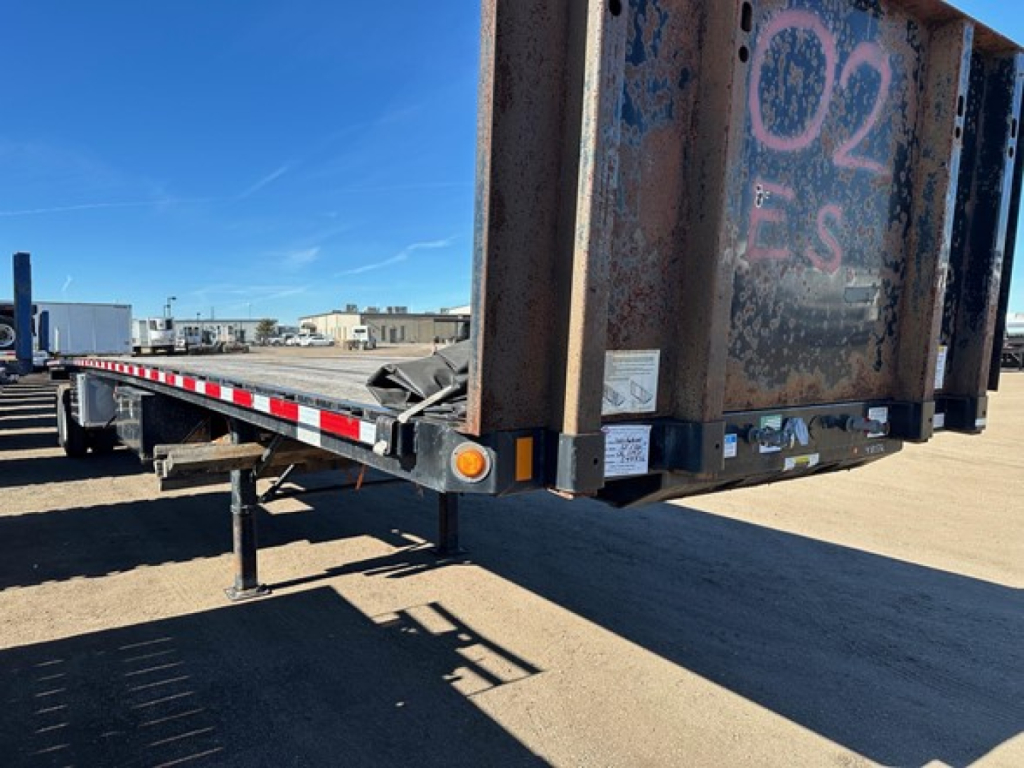
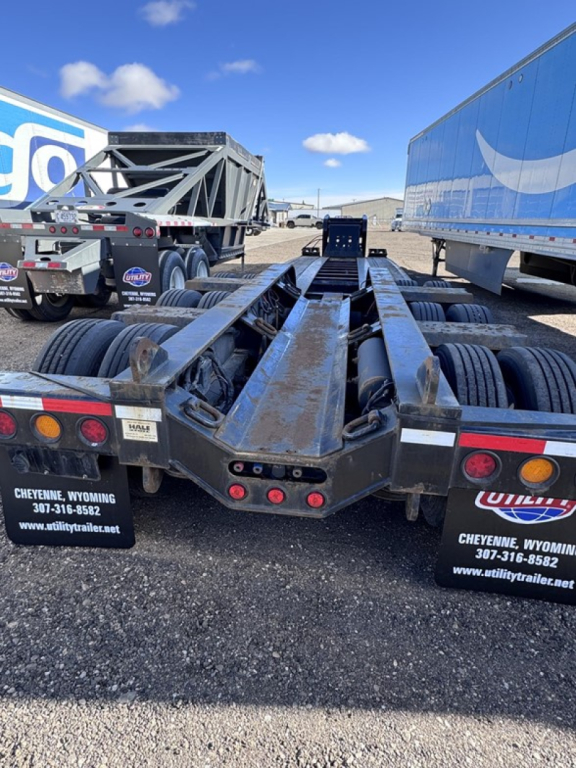
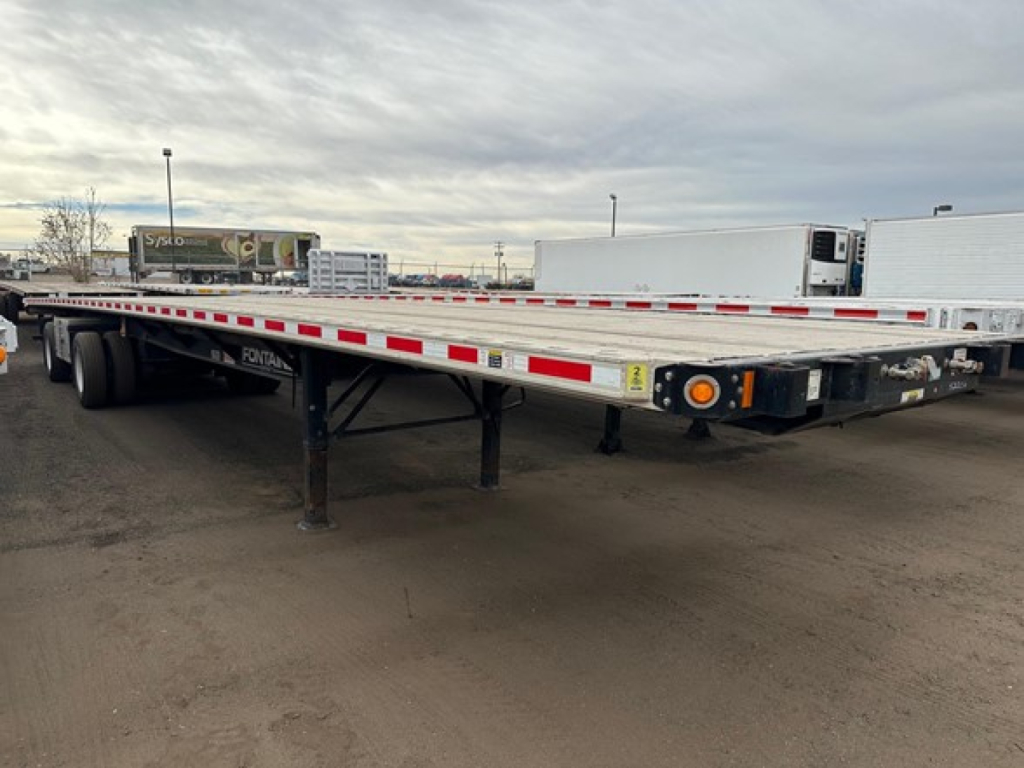
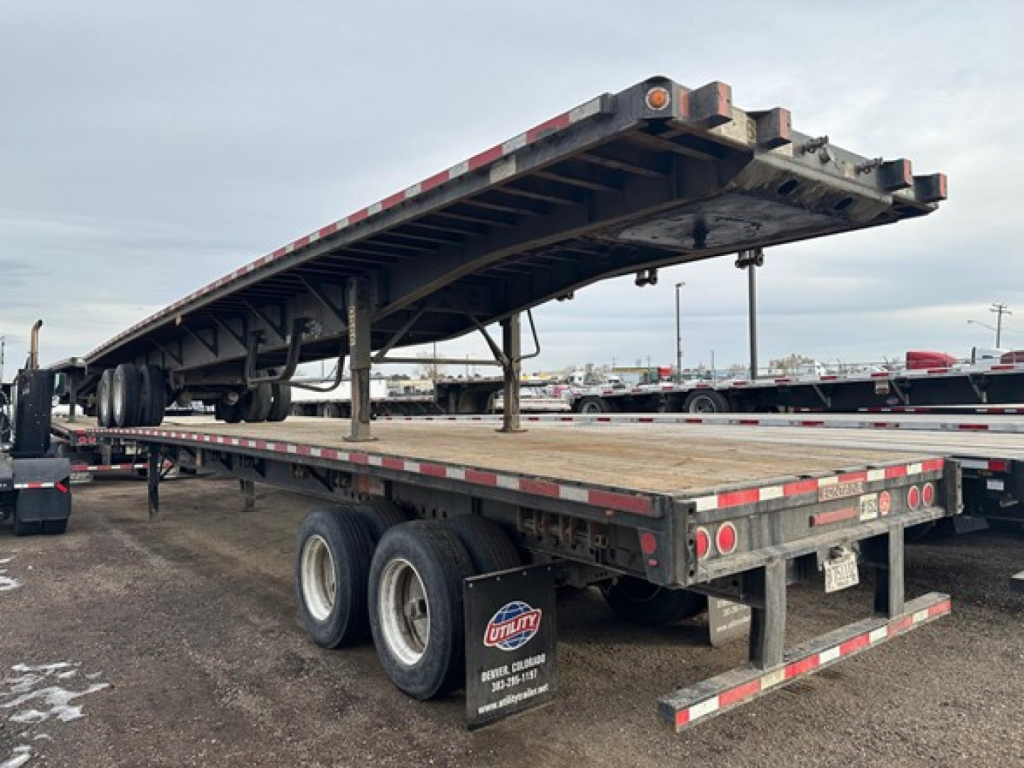
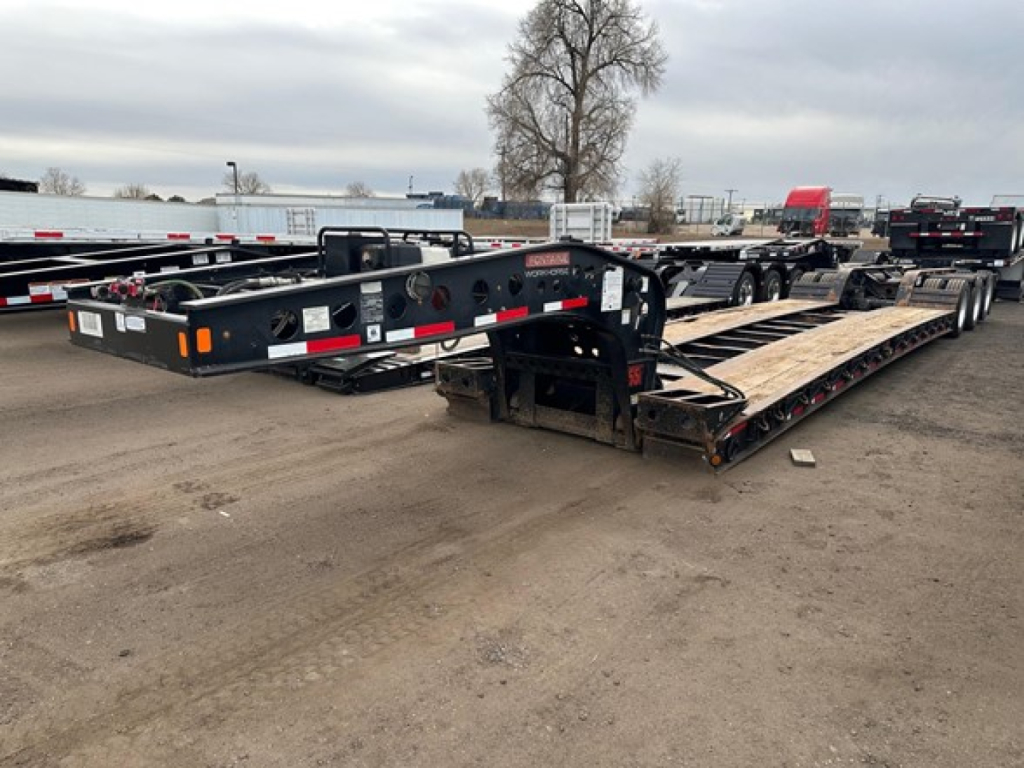
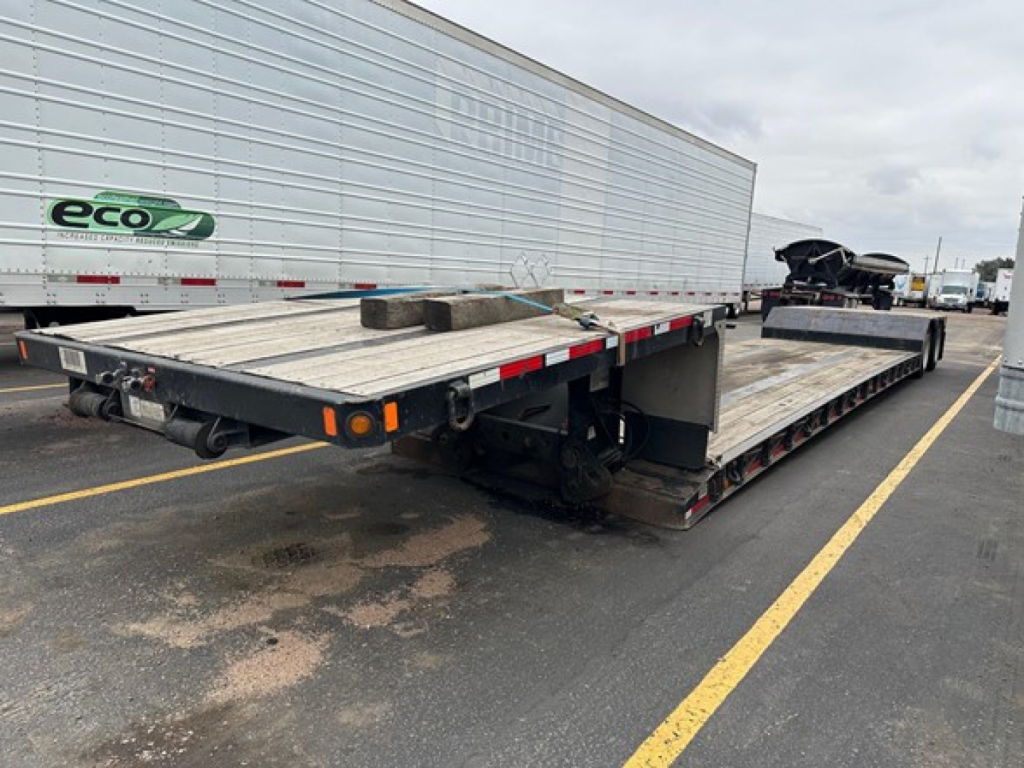
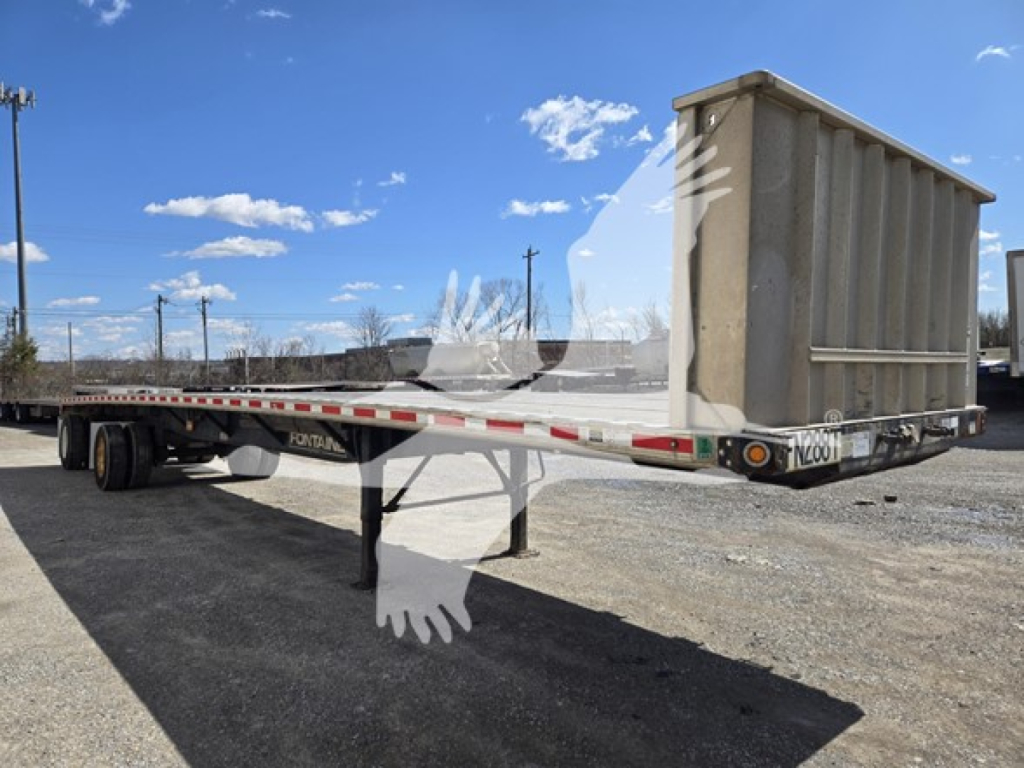
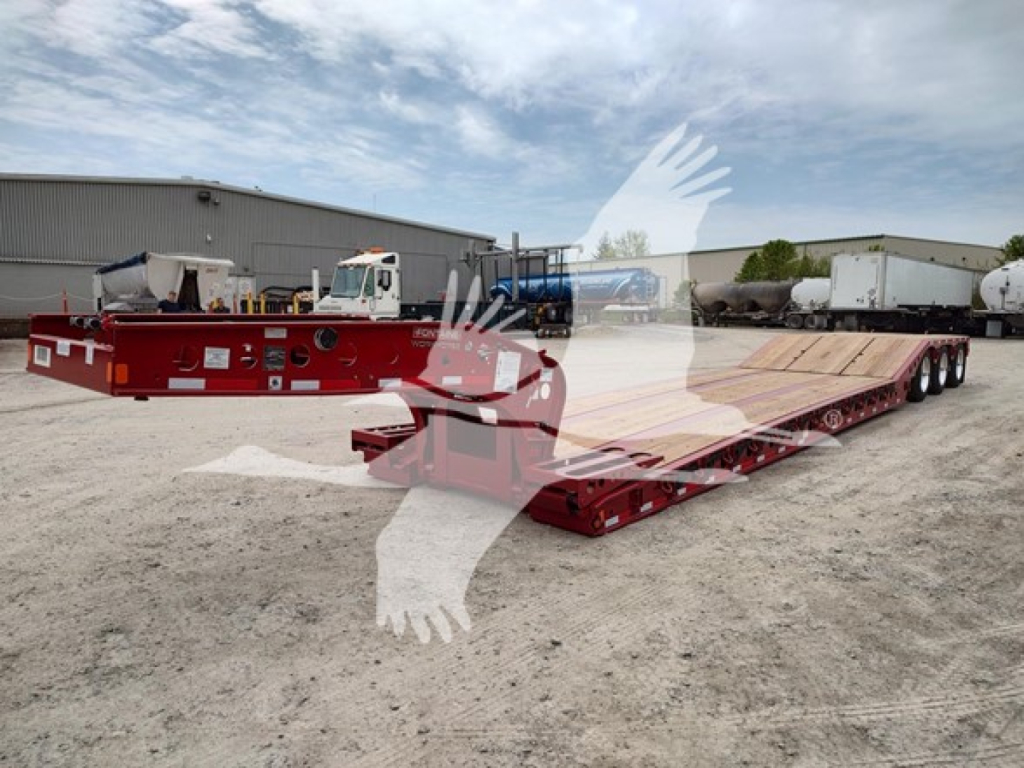
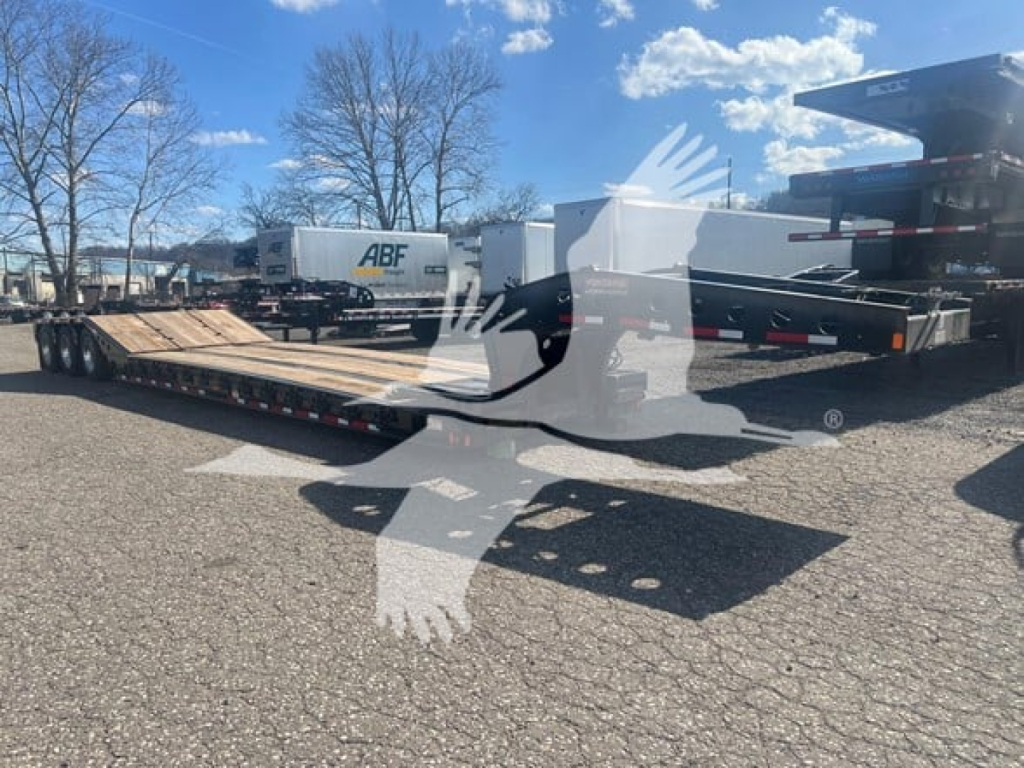
Showing 49 to 60 of 189 results
Have fontaine drop deck expandable trailer to sell? List it here to reach thousands of buyers.
About Fontaine Drop Deck Expandable Trailers
The first decision is usually deck length and axle configuration. Common setups include 48-foot and 53-foot overall lengths, often with tandem axles in fixed spread or sliding rear axle arrangements. A rear slide can matter for California legal bridge compliance and for dialing in axle spacing on heavier or longer loads. Width is typically 102 inches, and suspension is commonly air ride for better cargo protection and ride quality. Tire packages often include 22.5 low-profile rubber or 255/70R22.5, both familiar specs in this segment.
On the deck itself, Fontaine trailers in this class are often equipped the way open-deck carriers actually use them: sliding winches, stake pockets, pipe spools, nail strips, coil package options, and side rails or RASR rail configurations. Those features matter if the trailer will handle mixed freight instead of one dedicated commodity. Coil packages improve versatility for steel hauling, while nail strips help with lumber, crating, and irregular secured loads. Bulkheads and toolboxes can also be part of the spec depending on the lane and the type of securement gear the operation carries.
Buyers comparing used Fontaine drop deck expandable trailers should pay close attention to the extension design, deck condition, rail and winch track wear, suspension components, and signs of concentrated loading around the lower deck and transition area. On combo trailers, inspect aluminum floor sections and rails for damage from forklifts, chains, and edge loading, and look closely at the steel beam structure for corrosion, repairs, or twisting. If the trailer is configured for legal-heavy work, axle slide operation, brake condition, and tire wear pattern deserve extra attention. A well-spec'd Fontaine in this category fits machinery, building materials, steel products, and other tall or overlength freight where a fixed-length flatbed leaves too little deck or too much height.
Frequently Asked Questions
What is a Fontaine drop deck expandable trailer used for?
A Fontaine drop deck expandable trailer is used for tall, long, or awkward freight that needs lower deck height and sometimes more deck length than a standard flatbed provides. Common applications include machinery, steel products, building materials, crated equipment, and oversized loads that benefit from the step deck profile. The expandable design adds flexibility for longer freight while keeping the trailer practical for day-to-day open-deck hauling.
What should I look for when buying a used Fontaine drop deck expandable trailer?
Focus on the structural areas that carry the most stress. Inspect the main beams, the transition between the upper and lower deck, the extension mechanism, the axle slide if equipped, suspension parts, brakes, and tire wear. On combo trailers, check the aluminum deck, side rails, and securement hardware for damage or excessive wear. Sliding winches, stake pockets, pipe spools, and coil package components should all be evaluated because repairs in those areas affect daily usability as much as the frame itself.
Why do some Fontaine step deck trailers have a sliding rear axle?
A sliding rear axle helps with bridge law compliance, weight distribution, and load placement flexibility. In some applications, especially California legal configurations, a rear slide is important for meeting axle spacing requirements while maximizing usable deck length. It also gives operators another tool for adjusting the trailer to suit different load lengths and weight concentrations without changing equipment classes.
What is combo construction on a Fontaine drop deck trailer?
Combo construction typically means the trailer uses steel in the main structural beams and aluminum in the deck and rail areas. This is a common design because it preserves structural strength where the trailer needs it most while reducing tare weight compared with an all-steel build. For many buyers, combo construction is a strong middle ground between durability, payload efficiency, and long-term operating cost.
Are coil packages and sliding winches important on a drop deck expandable trailer?
Yes, especially for carriers handling varied open-deck freight. A coil package allows the trailer to safely and legally handle steel coils when properly loaded and secured, which broadens the trailer's earning potential. Sliding winches speed up load securement and make it easier to match tie-down points to different cargo sizes. Together with stake pockets, pipe spools, and nail strips, these features make the trailer more useful across multiple freight types instead of a narrow single-purpose role.