
CIMC Container Trailers For Sale in Illinois
Shop CIMC container trailers in Illinois, including dry and refrigerated container equipment built for domestic intermodal and storage use.
Learn more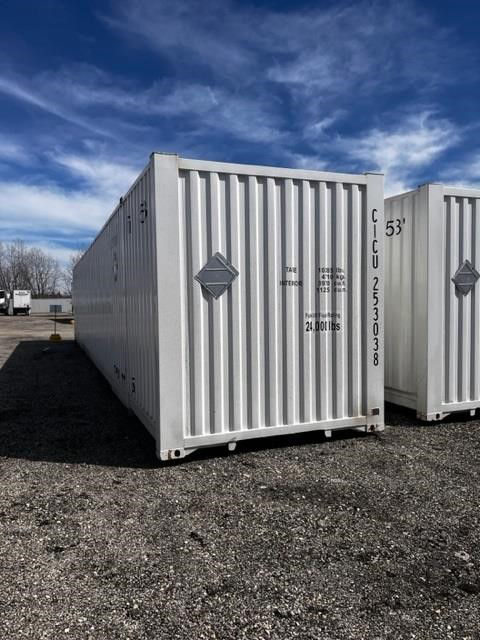
Have cimc container trailer to sell? List it here to reach thousands of buyers.
About CIMC Container Trailers in Illinois
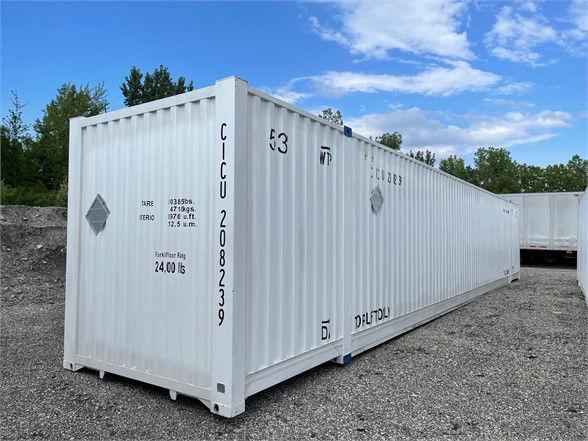
For dry freight use, a typical CIMC domestic container is built around steel construction, top corner castings, a gooseneck tunnel, and a hardwood or laminated oak floor. Buyers should pay close attention to floor capacity, crossmember design, bottom side rails, and overall tare weight, because those details affect payload, forklift performance, and long-term structural life. Domestic intermodal containers are designed to be lifted by top corner fittings and stacked in yard operations, so condition at the corner castings, door frame, roof bows, and understructure matters just as much as cosmetic appearance. If the unit will spend most of its life in rail service, door sealing, sidewall straightness, and prior impact damage are worth checking closely.
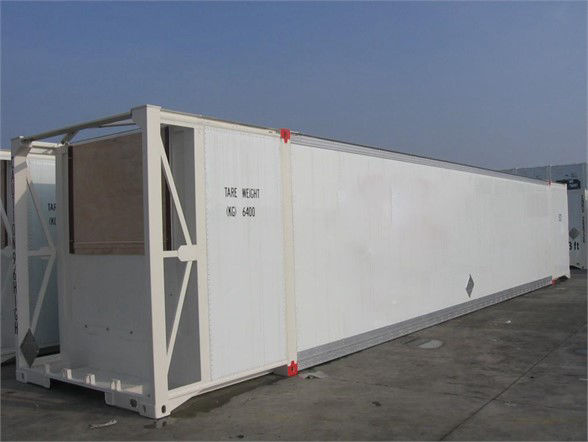
Refrigerated container equipment is a different buying decision. These units are built for thermal efficiency, insulation performance, and reefer unit integration rather than just dry van-style cargo protection. Weight-saving construction can improve payload, but buyers also need to verify insulation integrity, floor condition, door gasket sealing, and the service history of the refrigeration system. In food, beverage, and temperature-sensitive freight, the useful life of a reefer container depends heavily on how well the box maintains setpoint, handles washdowns, and resists corrosion around the front wall, lower rails, and door hardware.
For Illinois operations, weather and lane profile should influence the purchase. Snow, deicing chemicals, rail yard handling, and short-cycle drayage all accelerate wear on frames, floors, door gear, and corrosion-prone steel components. Buyers comparing CIMC container equipment should look at year, single-use versus fleet service history, CSC or domestic certification needs, door operation, interior cleanliness, and any signs of previous patchwork. A well-matched container should fit the freight first, then the handling method, then the maintenance plan. That order usually leads to better utilization and fewer surprises after the unit goes to work.
Frequently Asked Questions
What is the difference between a CIMC domestic dry container and a refrigerated container?
A domestic dry container is designed for general freight and intermodal handling, with emphasis on structural durability, floor strength, and cargo protection. A refrigerated container adds insulated walls, specialized doors and flooring, and an integrated reefer system to maintain cargo temperature. Dry units are typically used for boxed freight, retail goods, and general warehouse distribution, while reefer containers are used for food, beverage, pharmaceuticals, and other temperature-controlled loads.
What specs matter most when buying a 53-foot CIMC container in Illinois?
The most important specs are overall length and height, floor rating, tare weight, gooseneck tunnel configuration, door opening dimensions, and the condition of the corner castings and understructure. In Illinois, corrosion resistance and structural condition are especially important because rail operations, winter road treatment, and frequent yard handling can accelerate wear. Buyers should also confirm that the container matches the chassis, terminal requirements, and freight profile they plan to run.
Are single-use CIMC containers a good option for fleets?
Single-use containers can be attractive because they typically show less structural fatigue, less floor wear, and fewer repairs than units that have been through repeated intermodal cycles. They may offer a longer service life before major refurbishment is needed. The value depends on how the unit was stored, transported, and handled after manufacture, so buyers should still inspect doors, floors, roof panels, corner fittings, and any signs of impact or corrosion.
How do you evaluate the condition of a used container trailer or container body?
Start with the structural areas that affect safety and service life: corner castings, roof, side panels, front wall, crossmembers, floor, gooseneck area, and rear door frame. Then check the doors for alignment, gasket sealing, hinge wear, and locking bar operation. On reefer units, add an inspection of insulation condition, drain channels, interior liner damage, and refrigeration system service records. Cosmetic wear is expected, but bent structural members, soft floors, and poor door sealing can create ongoing operating problems.
Can CIMC container equipment be used for both storage and transportation?
Yes, many domestic containers are used in both roles, but the intended application should guide the purchase. A container used mainly for static storage may not need the same level of understructure quality or handling readiness as one that will cycle through rail ramps and chassis service. If transportation is the priority, structural integrity, lifting capability, floor capacity, and road-service compatibility should take precedence over appearance alone.