
New Trailer Parts For Sale
Shop new trailer parts including racks, carriers, hardware, and accessories for flatbed, step deck, and other commercial trailers.
Learn more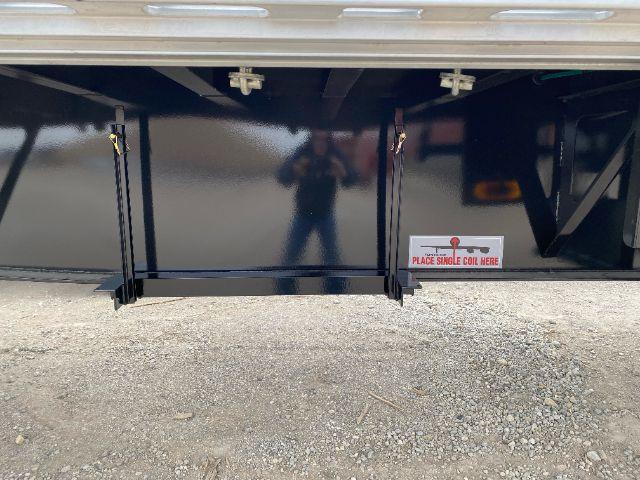
Have new trailer part to sell? List it here to reach thousands of buyers.
About New Trailer Parts
Fitment is the first thing to verify. Trailer parts are rarely universal in practice, even when they are marketed that way. Main frame design, aluminum versus steel construction, crossmember spacing, ground clearance, and existing accessories all affect compatibility. Clamp-on designs are especially attractive because they can often be installed without drilling or welding, which helps preserve trailer structure and simplifies replacement or relocation later. Buyers comparing new trailer parts should also look at mounting method, corrosion resistance, finish quality, hardware grade, and how the part affects side access, dock clearance, and legal width.
Application matters as much as material. A trailer accessory that works well on a regional flatbed may not be ideal for heavy haul, coil work, or multi-stop freight where quick access to dunnage and securement gear saves time every day. Storage-related trailer parts should be judged by ease of loading and unloading, how securely they retain equipment in transit, and whether they reduce clutter in tarp boxes, catwalk areas, or the tractor bunk. For replacement components such as lights, mud flap brackets, brakes, hubs, or suspension parts, buyers should focus on OEM cross-reference, axle and wheel-end specs, and serviceability in the field.
New trailer parts are often chosen to reduce downtime, improve organization, and make a trailer better suited to a specific lane or commodity. The best parts do more than bolt on. They solve a workflow problem, hold up to weather and road spray, and fit the trailer without creating maintenance headaches. When comparing listings, pay attention to trailer type, intended use, installation requirements, and whether the part is designed for repeated commercial use rather than occasional light-duty service.
Frequently Asked Questions
What should I check first when buying new trailer parts?
Start with fitment. Confirm the trailer type, frame style, material, dimensions, and mounting space before comparing anything else. On accessories for flatbed or step deck trailers, buyers should verify I-beam compatibility, available clearance, and whether the part uses clamp-on, bolt-on, or weld-on installation. For replacement parts, axle rating, brake size, hub pattern, and OEM cross-reference are the key checkpoints.
Are clamp-on trailer accessories better than drilled or welded installations?
Clamp-on trailer parts can be a strong option when the design is engineered for commercial use. They typically install faster, avoid permanent modification, and can protect the trailer frame from unnecessary holes or weld-related changes. The tradeoff is that the mounting system must be robust enough to resist vibration, road shock, and shifting loads. Buyers should look closely at clamp design, hardware quality, load path, and long-term retention under real operating conditions.
Which new trailer parts are most useful for flatbed and step deck trailers?
Storage and load-handling accessories are often the highest-value upgrades on open-deck trailers. Dunnage racks, coil rack carriers, chain racks, cargo baskets, and toolbox mounting systems help organize gear, clear the deck, and improve driver access. These parts matter most on operations that handle securement equipment daily, especially coil, steel, building materials, and other freight that requires frequent repositioning of blocking, straps, and tiedown gear.
How do I know if a trailer part is commercial-duty?
Commercial-duty trailer parts are built for repeated use, weather exposure, and road vibration. Signs of a serious design include heavier material thickness, quality coatings or galvanizing, corrosion-resistant hardware, reinforced mounting points, and practical service access. Good trailer parts also reflect real-world use by minimizing rattles, reducing interference with other trailer equipment, and holding up in muddy, salted, or high-mileage environments.
Is it worth buying new trailer parts instead of used ones?
For many buyers, new trailer parts make sense when reliability, fit, and service life matter more than the lowest initial cost. New parts usually provide cleaner fitment, less wear-related uncertainty, and a better chance of consistent performance, especially for safety-related systems or accessories that take daily abuse. Used parts can work in some cases, but hidden fatigue, corrosion, or missing hardware often erode the price advantage once installation and downtime are considered.