
Service/Utility Trucks For Sale in Washington
Browse service and utility trucks for sale in Washington, including crane bodies, compressors, tool storage, and upfit options for field service work.
Learn moreBrowse Service/Utility Trucks by Make
Have service/utility truck to sell? List it here to reach thousands of buyers.
About Service/Utility Trucks in Washington
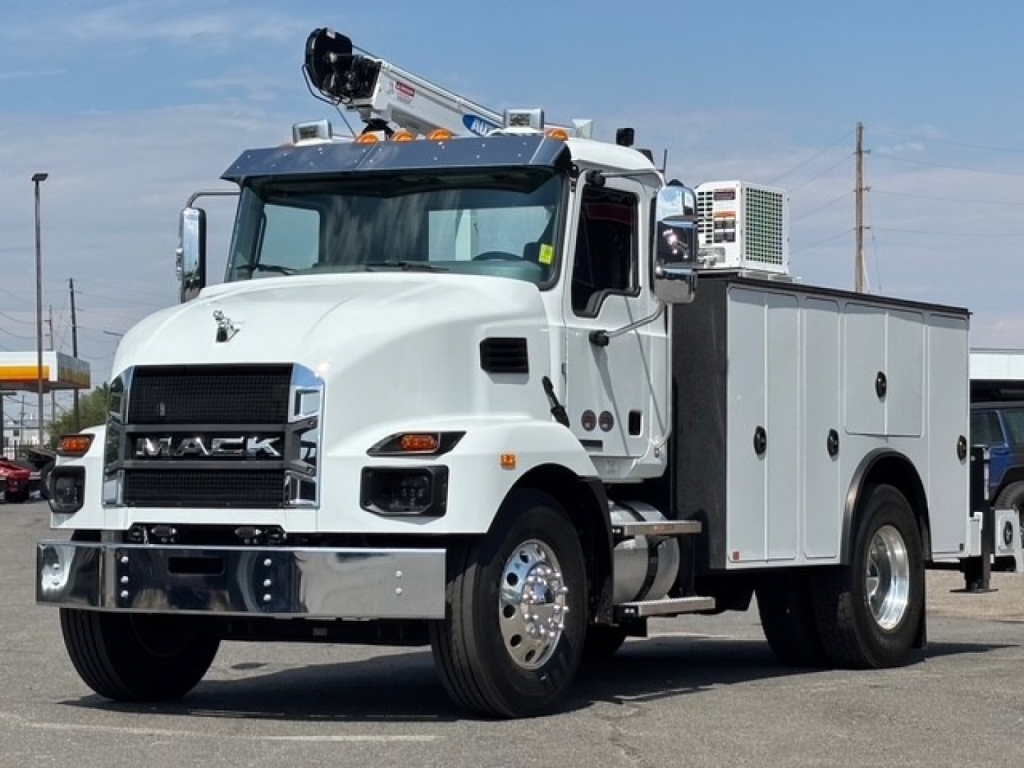
A key buying decision is matching the chassis and PTO-driven equipment to the work being performed. Mechanics and crane service bodies are often equipped with hydraulic or electric cranes rated by lifting capacity and foot-pounds, plus outriggers or stabilizers for safe operation. Air compressors, welders, generators, inverters, and hydraulic tool circuits are common on utility trucks used for road service or field repair. Diesel power is still the standard in this category because it supports PTO operation, torque under load, and longer service life in vocational duty cycles. Buyers should compare axle ratings, wheelbase, rear suspension, and body length carefully, since these directly affect crane placement, compartment volume, turning radius, and usable payload after the upfit is installed.
Washington operators also need to think about terrain, weather, and jobsite access. A service truck working on I-5 corridor fleets may need a different setup than one supporting construction, logging, or utility work in mountain or rural regions. Heated mirrors, traction-friendly rear axle ratios, aggressive tire selections, and corrosion resistance all matter in a wet climate. Aluminum bodies can help reduce rust and preserve payload, while steel bodies remain common where durability and repairability are priorities. If the truck will be used in tight urban service calls, overall height, body width, and compartment access from curbside positions become important. If it will support off-pavement work, ground clearance, suspension spec, and stabilizer footprint deserve a close look.
The best service or utility truck is the one that reduces field downtime without being overbuilt for the application. Buyers should review crane certification requirements, PTO hours, compressor output, electrical system capacity, and the condition of doors, latches, seals, and compartment interiors. On used units, signs of frame stress, rust around body mounts, hydraulic leaks, and excessive wear at outrigger points can tell you a lot about prior service life. A well-matched service truck can replace separate support equipment, carry critical parts and tools securely, and keep technicians productive from the first dispatch to the last stop of the day.
Frequently Asked Questions
What is the difference between a service truck and a utility truck?
The terms are often used interchangeably, but a service truck usually refers to a mechanics or field-repair truck equipped with tool compartments, a crane, compressor, welder, or other service equipment. A utility truck can mean a broader body style with side compartments and workspace intended for electricians, telecom crews, contractors, or municipal departments. The real difference is in the upfit and job function, so buyers should evaluate body layout, onboard equipment, and payload rather than relying only on the label.
Do I need a CDL for a service or utility truck?
Not always. Many service trucks are built to stay under 26,001 pounds GVWR so they can be operated without a CDL in many applications, especially when spec'd on Class 5 or some Class 6 chassis. The need for a CDL depends on GVWR, GCWR, local and federal regulations, and how the truck is used. Buyers should also account for the body, crane, tools, fluids, and parts inventory, because a truck that starts as an under-CDL chassis can still become overloaded if the payload plan is not realistic.
What should I look for in a mechanics or crane service truck?
Start with crane capacity, body length, stabilizer design, and available payload, then move to the supporting systems. Compressor output, PTO setup, hydraulic condition, generator or inverter capacity, and compartment organization all affect field performance. Chassis specs such as axle ratings, wheelbase, rear suspension, and engine torque matter because they determine how well the truck handles the upfit and work load. On used trucks, inspect the boom, winch, outriggers, hydraulic hoses, body mounts, and frame area for stress, leaks, corrosion, or signs of overload.
Are aluminum utility bodies better than steel bodies?
Aluminum bodies are popular because they resist corrosion and usually weigh less, which can improve payload capacity. Steel bodies are often chosen for severe-duty applications where impact resistance, heavy drawer systems, or repeated welding and fabrication repairs are expected. Neither is automatically better for every fleet. In a wet environment like Washington, corrosion resistance is a strong advantage, but body choice should still match the truck's duty cycle, tool load, and expected repair practices.
Which chassis specs matter most on a service/utility truck?
GVWR, front and rear axle ratings, wheelbase, rear suspension, engine output, transmission, and PTO compatibility are the major items. These specs determine how much upfit the truck can carry, how stable it will be with a crane or compressor package, and how maneuverable it will remain on jobsites. Buyers should also look at cab-to-axle dimension and frame space, because the body manufacturer depends on those measurements to fit compartments, outriggers, and accessory equipment correctly.