
Service/Utility Trucks For Sale in Minnesota
Browse service and utility trucks for sale in Minnesota, including service bodies, cranes, compressors, liftgates, and fleet-ready work truck setups.
Learn moreBrowse Service/Utility Trucks by Make

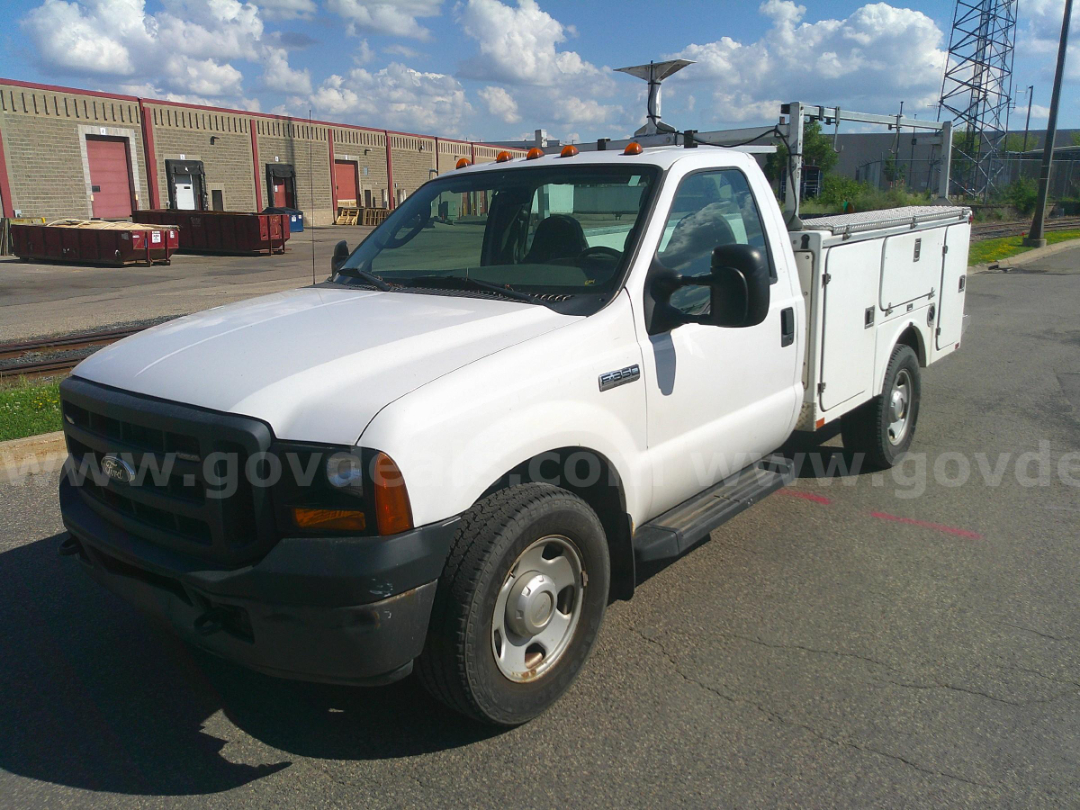
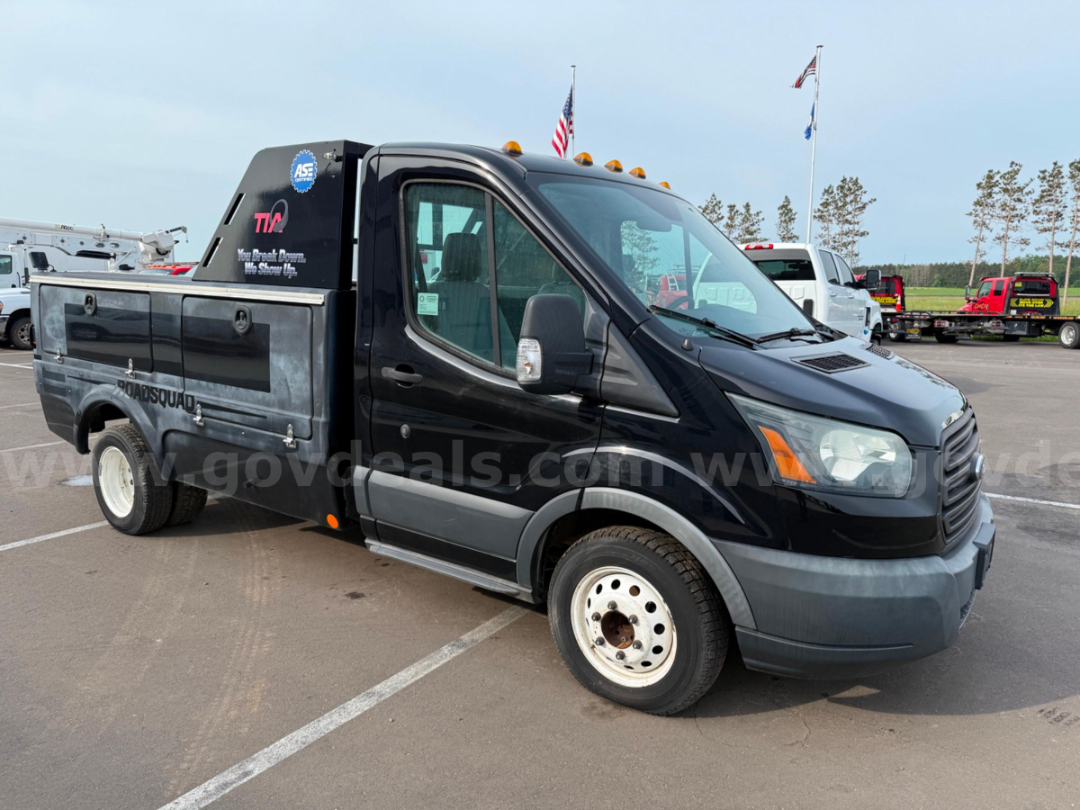
Have service/utility truck to sell? List it here to reach thousands of buyers.
About Service/Utility Trucks in Minnesota
The body setup matters as much as the chassis. Most service and utility trucks use compartment bodies with locking side packs, adjustable shelving, drawer systems, ladder racks, and reinforced tops for hauling materials or mounting accessories. Popular upfits include auto cranes, air compressors, generators, inverters, welders, hose reels, fuel transfer systems, liftgates, and work lighting. Buyers comparing listings should pay close attention to payload rating, body material, and storage layout. Steel bodies usually offer durability and lower repair cost, while aluminum and fiberglass bodies can help with corrosion resistance and weight savings, which is valuable where road salt and winter exposure are part of daily operation.
On the truck side, common choices range from Ford F-350 and Transit-based utility units up to heavier Class 4 and Class 5 chassis. Gas engines are common in lighter fleets because they reduce upfront cost and can simplify maintenance for stop-and-go use, while diesel power becomes more attractive when towing, idling under PTO demand, or carrying heavier service equipment. A buyer should verify GVWR, axle ratings, wheelbase, cab configuration, and whether the truck is 2WD or 4WD. In Minnesota, 4WD, limited-slip rear axles, good heater performance, and snow-ready tires can make a major difference for winter service calls. If the truck has a crane, compressor, plow, or liftgate, confirm the rated capacity, power source, and condition of the hydraulic or electric systems.
Condition is about more than mileage. Service trucks often accumulate engine hours from idling, PTO operation, and stationary jobsite use, so maintenance history and equipment functionality are critical. Check compartment doors and seals, rust around body mounts and rockers, electrical wiring quality, inverter or auxiliary power operation, and signs of overload wear in the suspension or rear axle. For specialized units such as tire service trucks or roadside assistance bodies, inspect the reels, lifting equipment, and any onboard air or fuel systems closely. A well-spec'd service truck can replace multiple shop trips in a day, so the best unit is usually the one with the right body layout, dependable auxiliary equipment, and a chassis matched to the actual workload.
Frequently Asked Questions
What is a service or utility truck used for?
A service or utility truck is used to transport tools, parts, and job-specific equipment to field locations where repairs, installation, maintenance, or support work is performed. Common applications include mobile mechanic service, municipal maintenance, electrical and telecom work, plumbing, HVAC support, roadside assistance, tire service, and construction site repair. The main advantage is organized storage and onboard equipment that allow technicians to complete work without returning to a shop.
What should I look for when buying a used service truck in Minnesota?
Focus on body condition, corrosion, storage layout, and the working condition of any installed equipment. In Minnesota, rust resistance is especially important because of road salt and winter exposure, so inspect compartment bottoms, hinges, latches, bed floors, body mounts, frame rails, and brake and fuel lines. Also confirm that heaters, batteries, tires, lighting, and 4WD systems are ready for cold-weather operation. If the truck has a crane, compressor, plow, liftgate, or inverter, test each system and verify its rated capacity and service history.
Is a gas or diesel engine better for a service truck?
Gas engines are often a practical choice for lighter-duty service trucks that spend time in town, make short trips, and do not tow heavy loads. They generally cost less to buy and can be simpler to maintain in municipal or contractor fleets. Diesel engines are better suited for heavier payloads, more towing, and applications where PTO-driven or hydraulic equipment puts extra demand on the truck. The right choice depends on the body weight, auxiliary equipment, duty cycle, and expected annual mileage.
How important is the service body layout on a utility truck?
The body layout is one of the most important factors because it affects technician efficiency every day. Drawer systems, adjustable shelving, deep compartments, ladder racks, and open bed space should match the tools, parts, and materials used on the job. A poor layout wastes time and can create weight distribution problems, while a well-designed body improves organization, access, and payload management. Buyers should think about compartment size, door style, top access, and where heavier equipment is mounted.
Do hours matter as much as miles on a service truck?
Yes. Many service trucks spend long periods idling at jobsites or running PTO and auxiliary equipment while stationary, so engine hours can be just as important as mileage. A truck with modest miles but high idle time may show wear in the engine, charging system, cooling system, and emissions components. When evaluating a used unit, compare mileage, hours, maintenance records, and the condition of the installed service equipment rather than relying on odometer reading alone.