
Ravens Flatbed Trailers For Sale
Browse Ravens flatbed trailers with common specs, load securement features, axle setups, and buying points for general freight hauling.
Learn more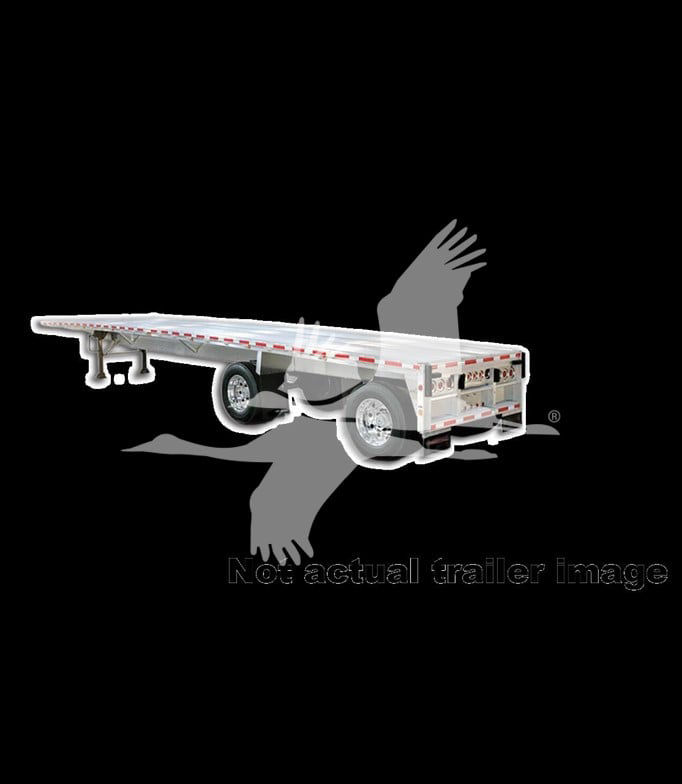
Have ravens flatbed trailer to sell? List it here to reach thousands of buyers.
About Ravens Flatbed Trailers
The first decision is usually trailer structure and axle layout. Many Ravens flatbeds are aluminum, including the floor, which helps reduce tare weight and improve corrosion resistance. Spread axle configurations are popular because they can improve stability and help distribute weight, but they also affect turning radius, tire scrub, and state bridge-law planning. Air-ride suspension is another key spec because it gives better ride quality for palletized freight, crated products, and other loads that benefit from less road shock. Buyers should also pay attention to overall deck condition, crossmember integrity, main rail straightness, landing gear operation, and signs of concentrated forklift damage.
Load securement setup matters as much as the base trailer spec. Ravens flatbeds are often equipped with sliding winches, and that gives the trailer more flexibility for different commodity lengths and tie-down patterns. Check winch track condition, rub rail wear, stake pockets, chain spool mounts, and the condition of the floor where coils, lumber bundles, or steel products may have been repeatedly loaded. On a used flatbed, the practical details matter: tire age and matching, brake wear, suspension bushings, wheel-end history, light and harness condition, mud flap brackets, and any signs of repairs around the rear frame or bolster area. Buyers running in regions with rough yards, heavy steel freight, or frequent forklift loading should look closely for localized fatigue and deck damage.
A Ravens flatbed trailer is best evaluated by how closely its configuration matches the freight you actually haul. A lightweight aluminum deck is a strong fit for carriers chasing payload and broad freight compatibility, while axle spread, suspension type, and securement hardware should line up with your lanes, customer docks, and commodity mix. For many operations, the right flatbed is not the lightest one on paper but the one with the best balance of empty weight, structural condition, securement versatility, and maintenance history.
Frequently Asked Questions
What are the most common specs on a Ravens flatbed trailer?
A common Ravens flatbed configuration is a 48-foot by 102-inch aluminum trailer with tandem spread axles, air-ride suspension, and sliding winches. That setup is widely used in open-deck freight because it balances payload capacity, ride quality, and flexible cargo securement. Exact specifications can vary, so buyers should confirm axle spacing, floor type, suspension, and securement hardware on each trailer.
Why do buyers choose an aluminum Ravens flatbed instead of a steel flatbed?
The main reason is lower tare weight. An aluminum flatbed generally allows more legal payload and offers good corrosion resistance, which is valuable for fleets that run year-round or in regions where road chemicals accelerate rust. The tradeoff is that condition matters more on a used aluminum trailer, especially around crossmembers, floor sections, and high-stress load zones where repeated forklift traffic or concentrated cargo weight can cause wear.
Is a spread axle Ravens flatbed better than a closed tandem setup?
A spread axle flatbed can offer better weight distribution and stable road manners, which makes it attractive for many general freight applications. It can also help with certain bridge and load placement scenarios. The downside is increased tire scrub in tight turns, more sensitivity in confined yards, and added attention to axle-related maintenance. The better choice depends on your operating area, commodity mix, and the kind of customer locations you serve.
What should I inspect first on a used Ravens flatbed trailer?
Start with the frame, crossmembers, floor, suspension, brakes, tires, and wheel ends. Then inspect the rub rail, stake pockets, winch track, landing gear, electrical system, and rear frame for damage or repairs. On flatbeds, structural condition is more important than cosmetic appearance because repeated loading from forklifts, steel, lumber, and machinery can create fatigue in specific areas that are not always obvious at first glance.
What kind of freight is a Ravens flatbed trailer typically used for?
Ravens flatbed trailers are commonly used for building materials, machinery, palletized freight, steel products, lumber, and other cargo that can be loaded from the side, rear, or top. Flatbeds are preferred when shippers need fast access and flexible loading methods with cranes or forklifts. The trailer's deck strength, securement options, and axle setup should match the weight and shape of the freight you plan to haul regularly.