
Pup Trailers For Sale
Browse pup trailers for LTL, P&D, and city routes. Compare 28-foot dry van pups, axle setups, suspension, doors, floors, and tire specs.
Learn moreBrowse Pup Trailers by Make
Have pup trailer to sell? List it here to reach thousands of buyers.
About Pup Trailers
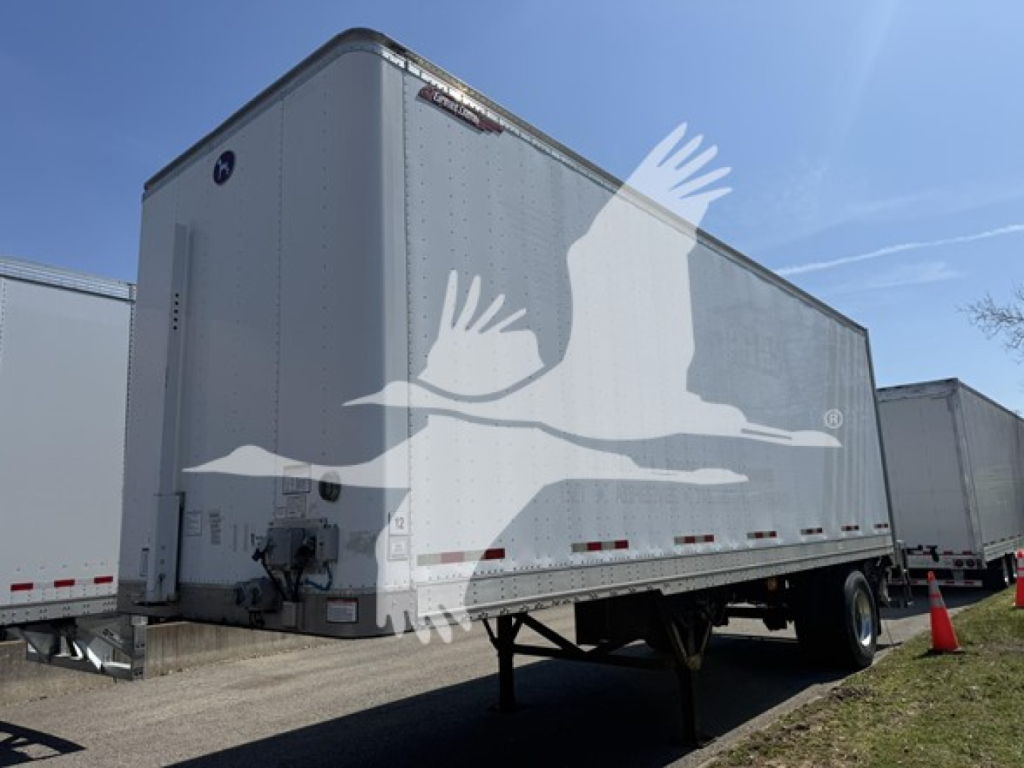
The body build matters just as much as the running gear. Common dry van pup specs include plate or smooth side walls, aluminum roofs, wood floors, roll-up rear doors, and logistics posts for load securement. Interior durability is important because pups often see repeated dock cycles and mixed freight. Wearbands, scuff protection, and plate wall construction can help control damage in high-touch service. If your freight mix includes palletized consumer goods, general LTL, or terminal transfer loads, pay attention to floor condition, door opening dimensions, and interior cube, not just trailer age.
Suspension, tires, and wheel package affect both maintenance cost and route performance. Spring ride is common on pup trailers because it is simple, durable, and familiar to most fleet shops, while tire inflation systems can help reduce roadside events and irregular wear. Low-profile 22.5 tires are frequently seen on city and regional pup applications, especially where deck height and loading compatibility are part of the spec. Steel wheels remain common in hard-use service because they are economical and easy to maintain, though exact spec should match your maintenance program and payload expectations.
When comparing pup trailers for sale, look closely at how the trailer was used. A terminal-to-terminal trailer may show different wear than a city P&D unit with constant dock contact and tight backing. Check frame condition, roof integrity, floor repairs, rear structure, suspension wear, and signs of chronic sidewall damage. The best pup trailer spec is the one that matches your freight density, route length, dock environment, and doubles configuration without adding unnecessary tare weight or maintenance complexity.
Frequently Asked Questions
What is a pup trailer used for?
A pup trailer is a short trailer, commonly around 28 feet, used in LTL, pickup-and-delivery, city routes, and doubles operations. Its shorter length improves maneuverability in tight terminals, urban streets, and crowded docks. Dry van pup trailers are especially common for palletized freight, terminal transfers, and mixed commodity hauling where frequent stops and quick loading cycles are part of the job.
How long is a typical pup trailer?
The most common pup trailer length is 28 feet, usually with a 102-inch width, especially in dry van applications. That size is widely used in doubles service and regional freight networks because it balances cargo capacity with turning ability. Some pup trailers may vary by application, but 28-foot pups are the standard benchmark most buyers compare against.
Should I choose a single axle or tandem axle pup trailer?
A single axle pup trailer generally offers lower tare weight, fewer tire positions, and reduced maintenance cost, which can make sense for lighter payloads and route-specific freight. A tandem axle pup trailer usually provides better load distribution, greater payload flexibility, and improved stability in some operating conditions. The right choice depends on your freight weights, road conditions, and whether the trailer will be used in a standardized doubles fleet.
What features matter most on a dry van pup trailer?
The most important features usually include floor type, wall construction, rear door style, suspension, hitch setup, and tire package. Wood floors are common for forklift traffic, while plate walls, wearbands, and logistics posts help with durability and cargo securement in high-cycle freight service. Buyers should also confirm door opening dimensions, roof condition, and compatibility with existing dollies, tractors, and maintenance standards.
Are pup trailers good for city deliveries and tight routes?
Yes. Pup trailers are built for maneuverability, which makes them a strong fit for city deliveries, terminal work, and routes with limited dock space. Their shorter wheelbase helps drivers back into tighter spots and move through congested areas more easily than a full-length van trailer. That advantage is one reason pup trailers remain a standard tool in regional and urban freight networks.