
Packer Trucks For Sale in New York
Browse packer trucks for sale in New York. Compare rear loader refuse trucks, compaction body specs, chassis ratings, and sanitation features.
Learn moreNo exact matches found for your search
Showing Trucks in New York instead.
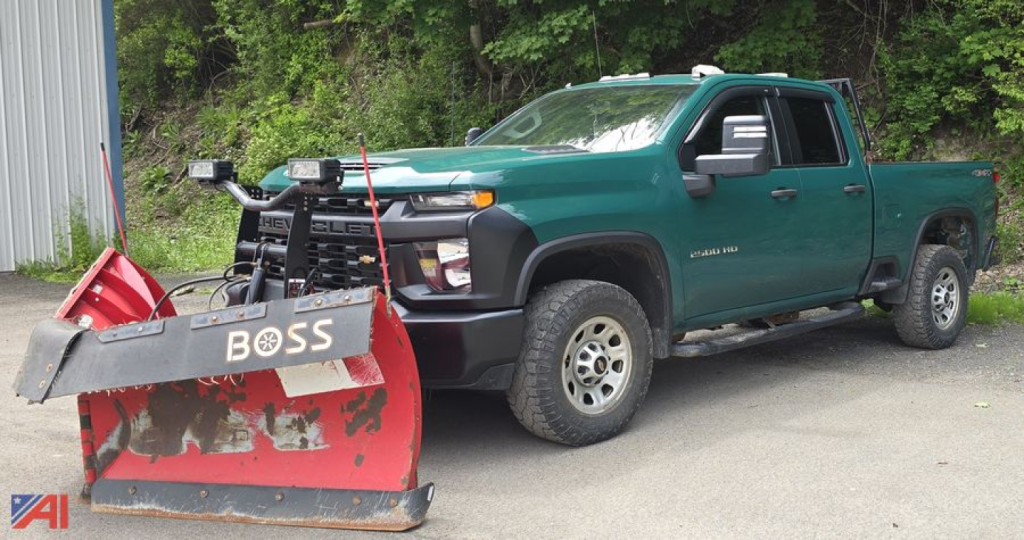
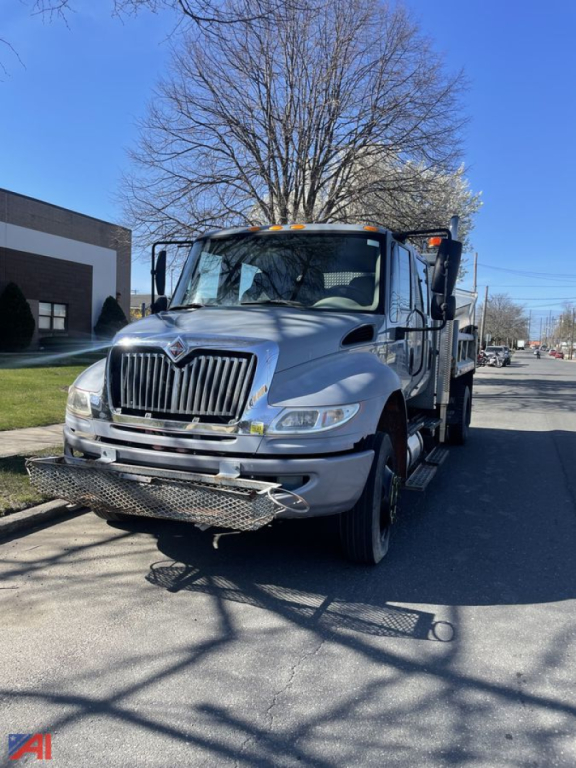
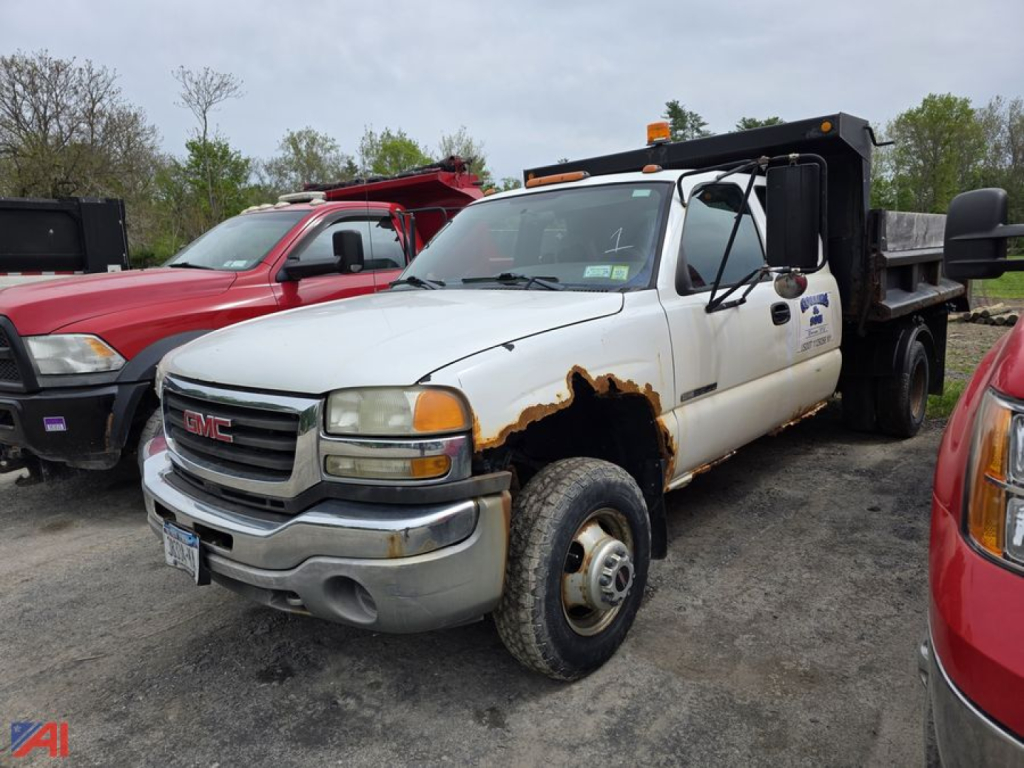
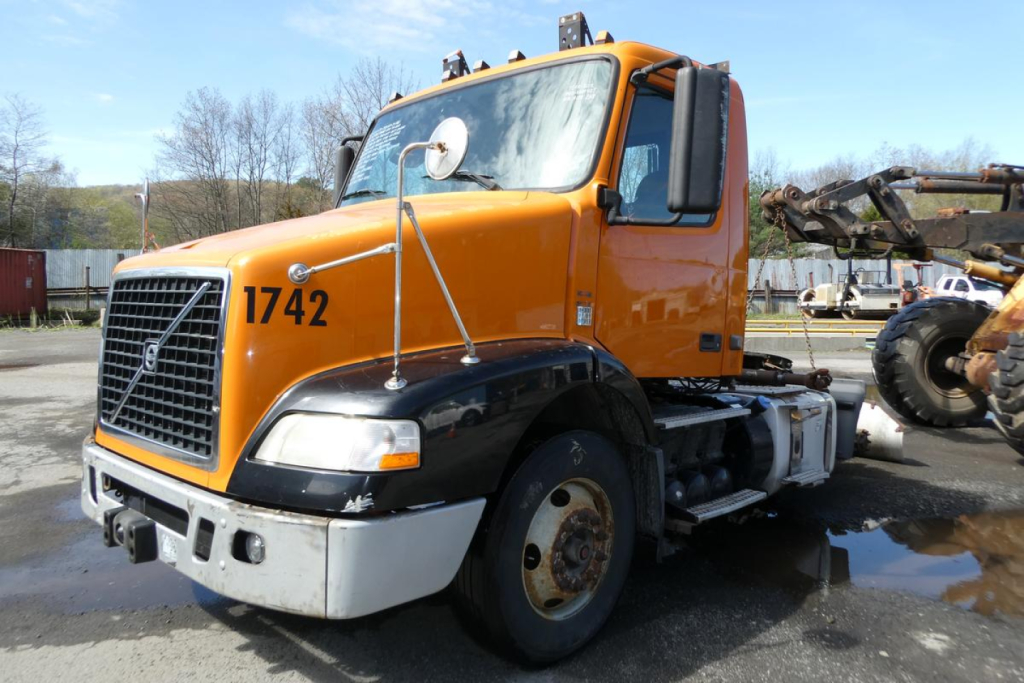
Showing 1 to 12 of 402 results
Have packer truck to sell? List it here to reach thousands of buyers.
About Packer Trucks in New York
A typical packer truck uses a hydraulic compaction body designed to compress loose waste and increase payload before the truck heads to transfer or disposal sites. Common body sizes range from around 20 to 32 cubic yards, with larger bodies favored on longer routes and smaller units useful in tighter urban service areas. In New York, turning radius, axle configuration, and overall wheelbase matter as much as body size because many routes involve narrow streets, alleys, dense traffic, and frequent backing. Rear loader configurations remain popular for hand-load routes and small container pickup, while some fleets also compare side loader and front loader refuse trucks for more automated collection work.
On the chassis side, packer trucks are usually spec'd with diesel engines, automatic transmissions, heavy front axles, and rear axle ratios suited for low-speed route density rather than highway cruise efficiency. A PTO-driven hydraulic system runs the packer body, so buyers should pay close attention to pump performance, cycle times, hydraulic leaks, and the condition of cylinders, hoses, and controls. Brake life, frame condition, suspension wear, and corrosion around the body mounts are especially important on used sanitation trucks. In northern markets, rust on the frame, cab steps, floor structure, tailgate, and hopper area can become a major cost factor, particularly on trucks exposed to road salt and year-round municipal duty.
The best packer truck for sale is not always the largest one. Route type, transfer station distance, loader crew size, and legal weight limits all affect the right spec. Buyers should also check tailgate seal condition, ejector operation if equipped, cart tipper setup, backup camera systems, warning lights, and cab entry height for frequent driver movement. Service history matters because packer trucks live a hard life of constant starts, stops, idling, and hydraulic cycling. A well-matched refuse packer can lower labor time, improve route productivity, and hold up better in demanding sanitation service.
Frequently Asked Questions
What is a packer truck used for?
A packer truck is used to collect and compact municipal solid waste, commercial trash, and other refuse on local collection routes. The body uses hydraulic compaction to reduce the volume of loose waste, allowing the truck to carry more material before unloading. Most packer trucks are used by sanitation departments, waste haulers, universities, and private contractors handling residential or light commercial service.
What should I check first when buying a used packer truck?
Start with the body and hydraulic system because those components define the truck's working value. Inspect the hopper, tailgate, packer panel, cylinders, hoses, pump, PTO operation, and body floor for wear, leaks, cracks, or corrosion. Then evaluate the chassis for engine condition, transmission performance, brake wear, steering play, suspension condition, frame rust, and axle ratings. Service records are especially useful because refuse trucks accumulate heavy wear even at relatively low road speeds.
What size packer body is best for a refuse route?
The right body size depends on route density, waste type, and disposal distance. Smaller bodies can be easier to maneuver in tight urban streets and older neighborhoods, while larger bodies reduce trips to the dump or transfer station on longer or higher-volume routes. Capacity should be matched with chassis GVWR and local weight limits, because a truck that cubes out well can still become overweight if the route includes dense material.
Are rear loader packer trucks better than front loaders or side loaders?
Rear loader packer trucks are often the best fit for manual pickup routes, bagged trash collection, and mixed residential service because crews can load from the back and handle varied waste types. Front loaders are more common for commercial dumpsters, while side loaders are favored for automated residential cart service. The best choice depends on labor model, container style, route layout, and how much automation the operation requires.
Why are severe-duty chassis common under packer trucks?
Packer trucks operate under constant stop-and-go stress, frequent PTO use, high body weights, and repeated loading cycles, so they need a chassis built for vocational work. Severe-duty models typically offer stronger frames, heavier axles, better cooling capacity, and driveline components designed for low-speed urban operation. That extra durability matters in sanitation service, where uptime and structural longevity are critical.