
New Volvo Conventional Sleeper Trucks For Sale in Texas
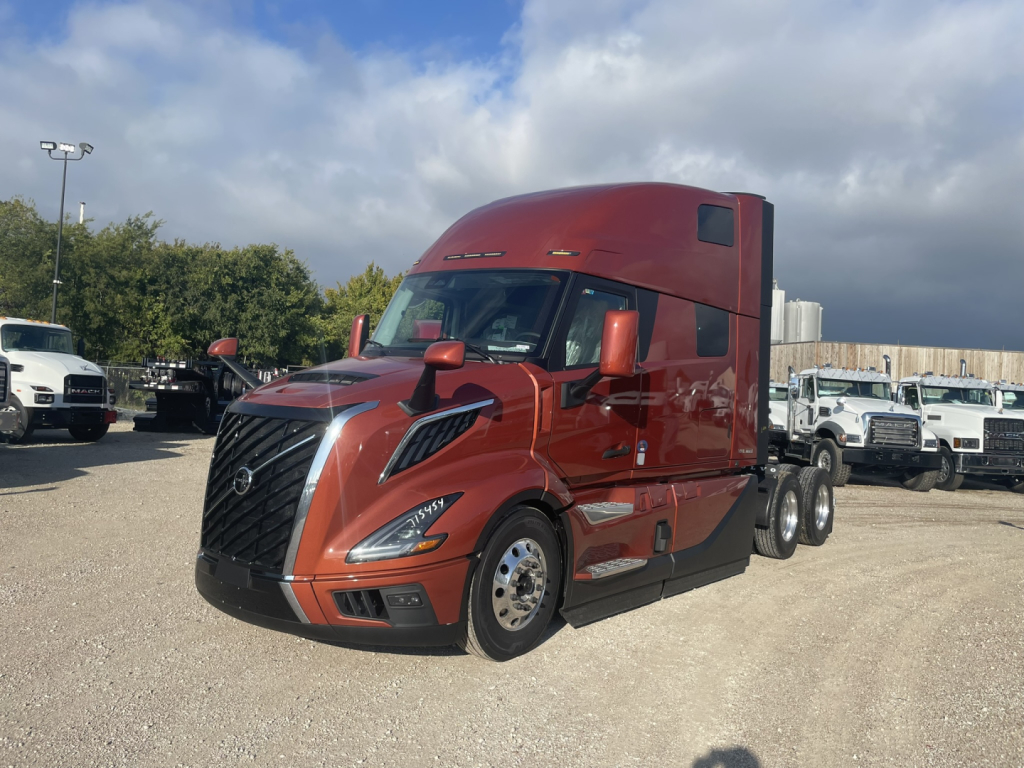
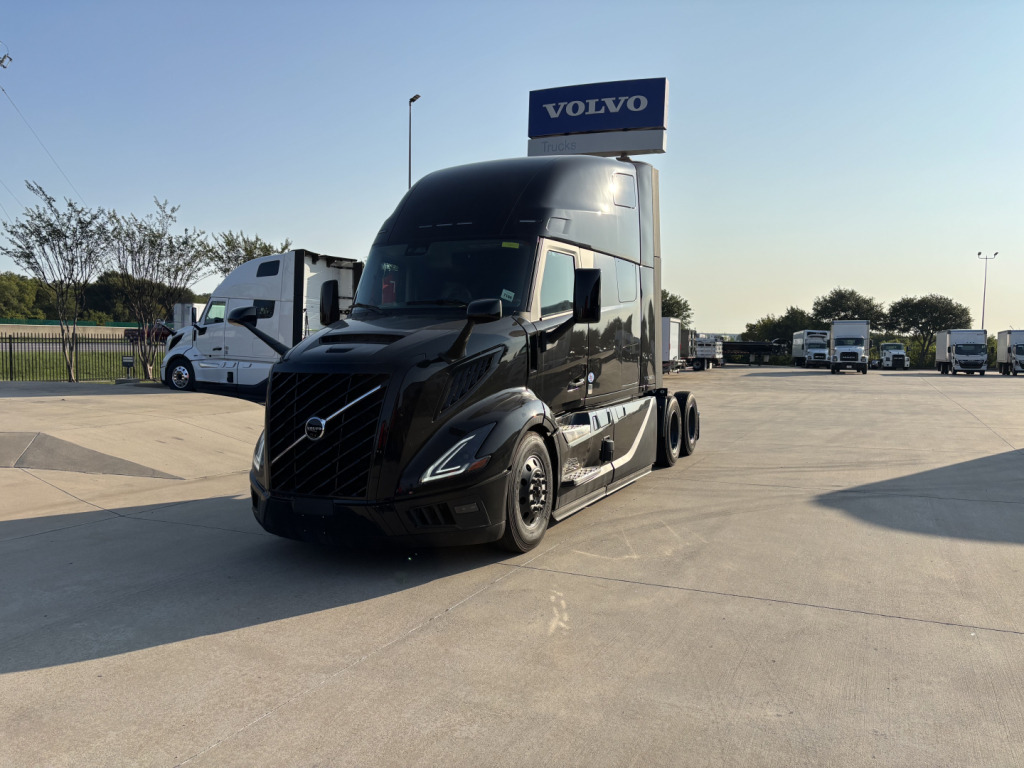
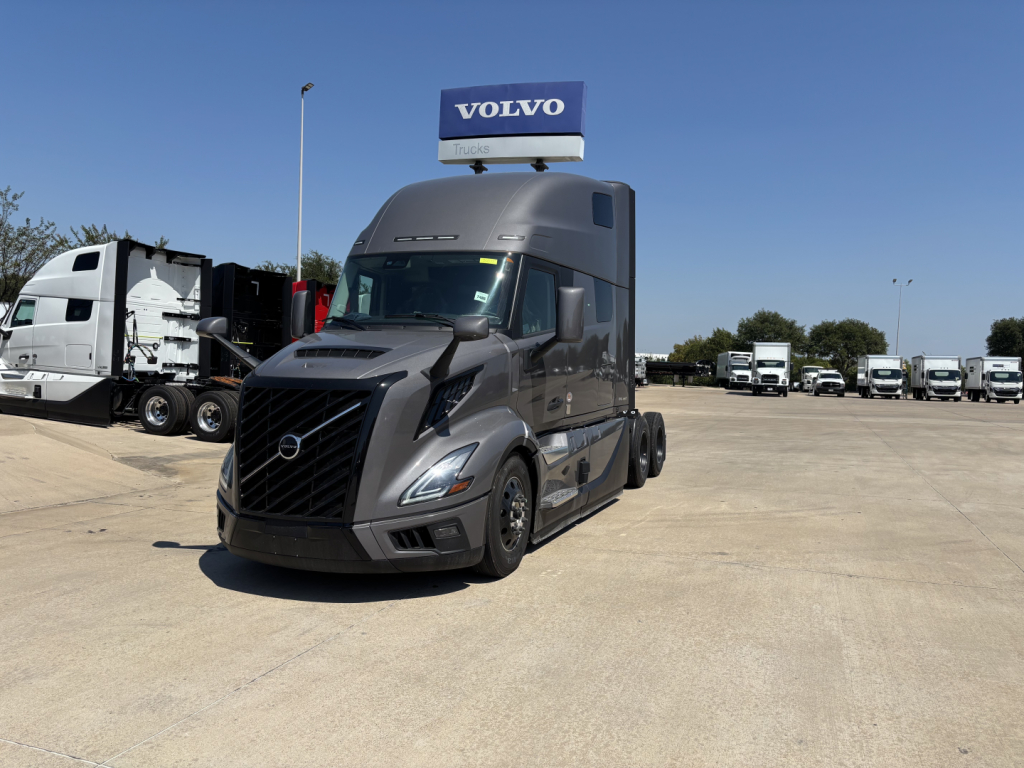
Spec new Volvo conventional sleeper trucks in Texas, optimized for fuel economy, driver comfort, lean tare weight, and corrosion-resistant durability.
Learn more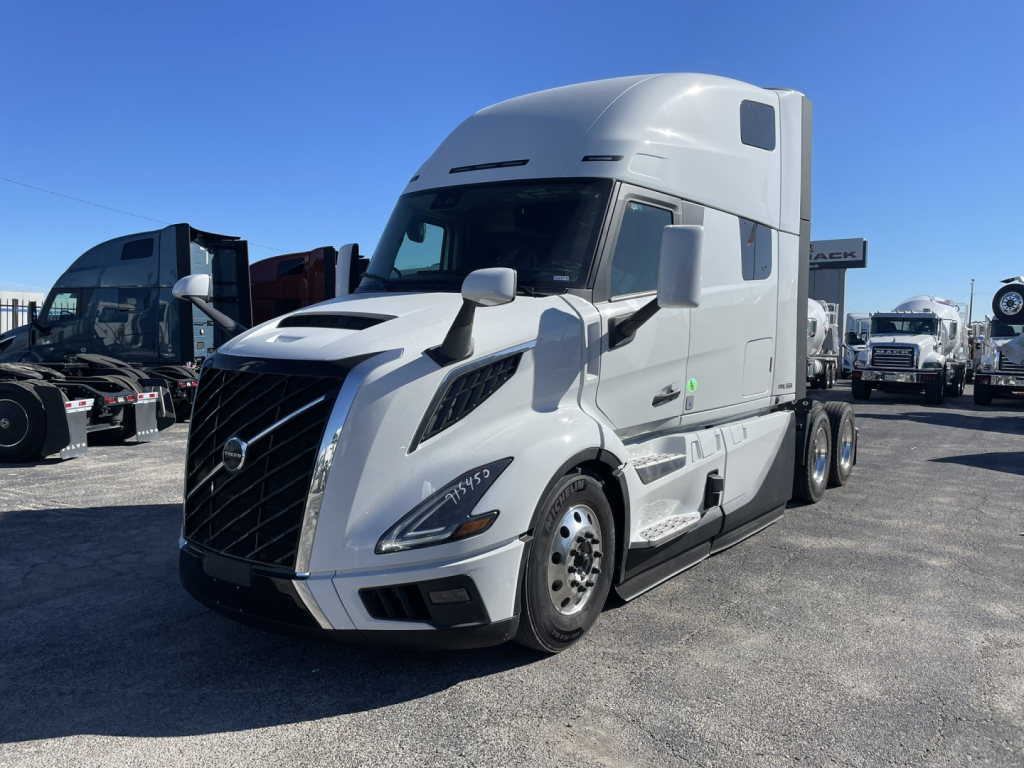

Showing 1 to 12 of 122 results
Have new volvo conventional sleeper truck to sell? List it here to reach thousands of buyers.
About New Volvo Conventional Sleeper Trucks in Texas
Tare weight is a core advantage when spec’d correctly. A 6x2 can trim several hundred pounds versus a 6x4, which benefits payload and fuel burn, but traction management and tire wear must be considered on oilfield or construction approaches, many fleets stay 6x4 for versatility. Aluminum wheels, hubs, air tanks, and fifth wheels, plus wide base singles where lane and terminal policies allow, take more weight out, though duals maintain redundancy and can improve lateral stability in gusty crosswinds. Choose axle ratios and direct drive or overdrive I‑Shift based on cruise speed and terrain, 65 to 70 mph cruise favors downspeeding with low numerical ratios when paired with low rolling resistance tires and a tire pressure monitoring system.
Thermal integrity in the cab and sleeper affects driver alertness and A/C load. Volvo sleepers use tight door and panel seals, quality insulation, and efficient ducting that resist heat soak, a priority in Texas summers. Battery HVAC can maintain rest cycles in moderate conditions without idling, it saves fuel and noise, while a diesel APU adds capacity for extreme heat and longer durations, at the cost of weight and upkeep. Cab and sleeper floor structures are rigid, with reinforced crossmembers and robust seat risers, so cabinets, fridges, and bunk options stay solid over high mileage, and vibration is kept low to cut squeaks and fatigue.
Corrosion resistance is built in and can be enhanced for Gulf Coast humidity or brine exposed corridors. E‑coated cabs and frames, multi stage paint, composite battery boxes, and stainless or coated fasteners slow rust and keep resale stronger. Sealed electrical connectors and protected harness routing reduce fault chasing after heavy rain or dust, important in South and West Texas. For harsher service, add undercoating, stainless clamps, extra splash protection, and aluminum crossmembers where available. Pair the tractor with trailer tire inflation systems and maintain clean airlines and gladhands to protect thermal efficiency and tire life over the long term.
Frequently Asked Questions
Which Volvo sleeper sizes are typical for new conventional tractors and how do they affect driver comfort in Texas heat?
Common configurations include mid and high roof sleepers such as the VNL 760 and VNL 860, which provide generous headroom, storage, and airflow around the bunk. Larger sleepers give more insulation volume and space for HVAC ducting, window shades, and sunload management, which helps maintain cab temperatures during Texas afternoons and reduces A/C cycling. The trade off is additional tare weight and slightly more frontal area, so match sleeper size to lane lengths and crew needs.
Should I spec a 6x2 or 6x4 on a new Volvo sleeper for mixed Texas routes?
A 6x2 can save 250 to 400 pounds and improve fuel economy, especially on highway dominant lanes, but it requires careful traction management, correct load transfer calibration, and tire rotation discipline. A 6x4 offers better all weather and site traction, useful for oilfield access roads, construction sites, and steep dock approaches, at the cost of weight and slightly higher parasitic loss. Many Texas carriers running mostly interstate with predictable docks choose 6x2, while mixed duty or oilfield adjacent fleets stay 6x4.
What specs deliver the best fuel economy for sustained 65 to 70 mph cruising in Texas?
Combine an integrated D13TC with I‑Shift, an aerodynamic package with chassis fairings and wheel covers, low rolling resistance tires, and a ratio set for downspeeding that still holds top gear on prevailing grades. Direct drive with very low numerical ratios reduces drivetrain loss when cruise speeds are steady, while overdrive can be a better fit for varying terrain. Add a tire pressure monitoring system and consider pairing with trailer tire inflation systems to keep rolling resistance consistent in high heat.
How is corrosion controlled on new Volvo conventional sleepers for Gulf Coast and brine exposure?
Volvo uses e‑coated cab structures, treated frames, composite or aluminum components, and sealed connectors to resist corrosion. For coastal or chemical exposure, add undercoating on frame rails and crossmembers, specify stainless or coated hardware where possible, and maintain paint touch ups on stone chips. Frequent wash cycles with neutral detergents, protected harness routing, and quality mudflaps or spray suppression also slow corrosion and keep sensors reliable.
Which idle reduction option works best for Texas summers, battery HVAC or a diesel APU?
Battery HVAC is quiet, light, and low maintenance, and can cover typical rest breaks when the truck and cab are insulated well and parked in shade, but endurance shortens in extreme heat. A diesel APU adds cooling capacity and runtime headroom for prolonged high ambient conditions, but it adds weight and requires periodic service. Many fleets standardize battery HVAC and add a diesel APU on trucks assigned to the hottest regions or longest layovers, balancing tare weight and thermal performance.