
New Fontaine Drop Deck Trailers For Sale
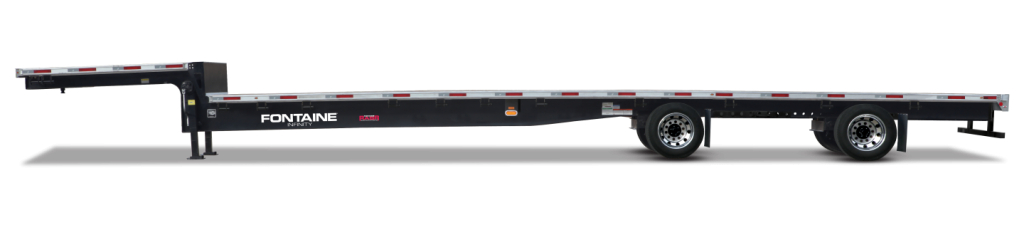
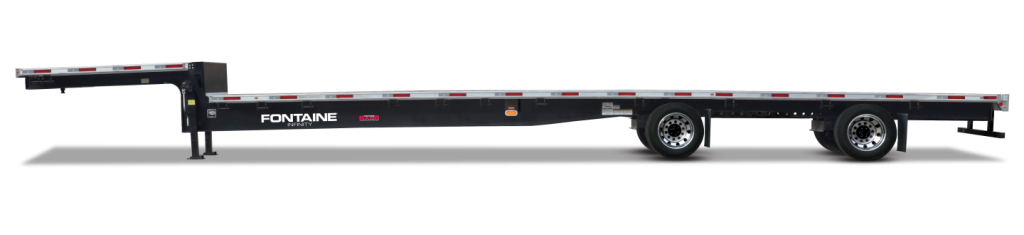
New Fontaine drop deck trailers for sale, including steel and combo step deck models with air ride, widespread axles, and durable construction.
Learn more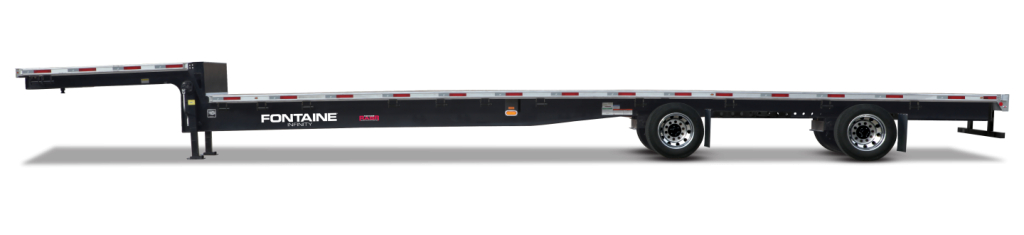

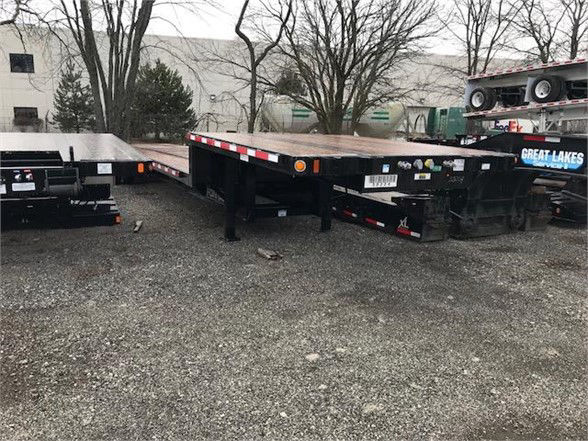
Have new fontaine drop deck trailer to sell? List it here to reach thousands of buyers.
About New Fontaine Drop Deck Trailers
Fontaine is well known for straightforward, work-focused trailer design, and that shows up in both all-steel and combo drop deck configurations. Steel models are often chosen for rugged duty cycles and repeated loading from forklifts, concentrated freight, and demanding jobsite use. Combo designs pair steel main structure with aluminum components to reduce tare weight while maintaining strength where it counts. Buyers comparing Fontaine Velocity and Fontaine Infinity models will usually be weighing durability, empty weight, and application-specific features like container capability, rear axle slide, or twist-lock systems for intermodal work.
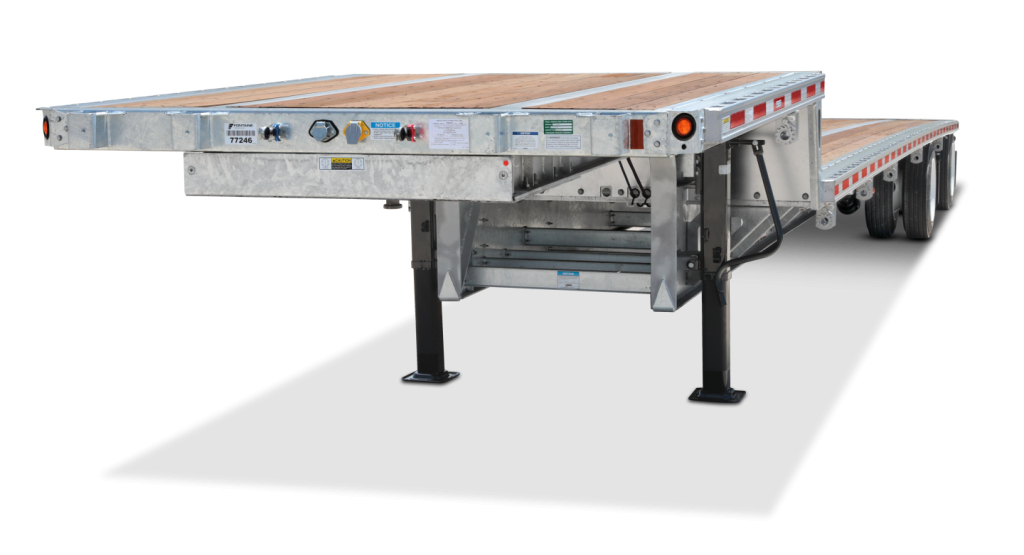
Key specs on new Fontaine drop deck trailers commonly include 48-foot or 53-foot overall lengths, 102-inch width, air ride suspension, and tandem or widespread axle setups. Hendrickson suspension components, Jost landing gear, and integrated tool boxes are common spec points to review. Construction details matter on this category. Buyers should pay attention to main beam design, crossmember spacing, flange material, knee brace construction, deck height, loaded ride height, and overall trailer weight. On a working step deck, these details affect payload, durability, securement options, and long-term maintenance costs as much as the published GVWR does.
The right Fontaine drop deck depends on the freight mix. A 48-foot steel step deck is a strong fit for general open-deck freight and daily jobsite use where toughness matters more than shaving every pound. A 53-foot combo drop deck with air ride and sliding rear axle makes more sense for fleets balancing payload, bridge compliance, and specialized freight such as containerized loads or longer, lighter commodities. Buyers should also confirm deck length split, upper deck dimensions, winch track layout, tie-down points, and any state-specific axle spread requirements before choosing a spec. In this class, the best trailer is the one that matches load profile, securement practice, and operating region without adding unnecessary tare weight or complexity.
Frequently Asked Questions
What is the advantage of a Fontaine drop deck trailer compared with a flatbed?
A Fontaine drop deck trailer provides lower deck height than a standard flatbed, which allows taller freight to move legally without requiring a more specialized trailer. That makes it a common choice for equipment, crated machinery, construction materials, and palletized loads that exceed flatbed height limits. It also improves loading flexibility because the lower deck can make forklift access and load placement easier on certain freight.
What is the difference between Fontaine Velocity and Fontaine Infinity drop deck trailers?
In general terms, Fontaine Velocity models are often spec'd as durable, value-oriented steel drop deck trailers built for hard daily use. Fontaine Infinity models are commonly associated with combo construction that uses steel where structural strength is critical and aluminum where weight savings matter. The practical buying decision usually comes down to tare weight versus ruggedness, along with any special features such as twist-lock container capability, axle slide, or other application-specific equipment.
Should I choose a steel or combo Fontaine step deck trailer?
A steel Fontaine step deck is typically the better choice for severe service, repeated forklift loading, dense freight, and fleets that prioritize structural toughness and repair familiarity. A combo trailer is usually the better fit when payload matters more and the freight profile supports a lighter trailer. The savings in tare weight can add revenue on legal-weight loads, but the right answer depends on lane type, commodity mix, and how rough the loading environment is.
Why do air ride suspension and widespread axles matter on a new drop deck trailer?
Air ride suspension helps protect sensitive freight, improves ride quality, and is widely preferred in open-deck applications where cargo stability matters. Widespread axles can help with weight distribution and may improve bridge law compliance depending on the states and load configurations involved. These two specs are worth close attention because they affect not just ride and handling, but also how flexibly the trailer can be used across different freight types and operating regions.
What specs should buyers pay closest attention to on a new Fontaine drop deck?
The most important specs are overall length, lower deck length, upper deck length, deck height, axle configuration, suspension type, tare weight, and main beam construction. Buyers should also confirm crossmember spacing, tie-down and winch arrangement, landing gear, toolbox setup, and any specialized equipment such as sliding axles or container locks. These details determine how much freight the trailer can legally carry, how easy it is to secure loads, and how well the trailer matches the day-to-day work it will actually do.