
New Fontaine Curtainside Trailers For Sale
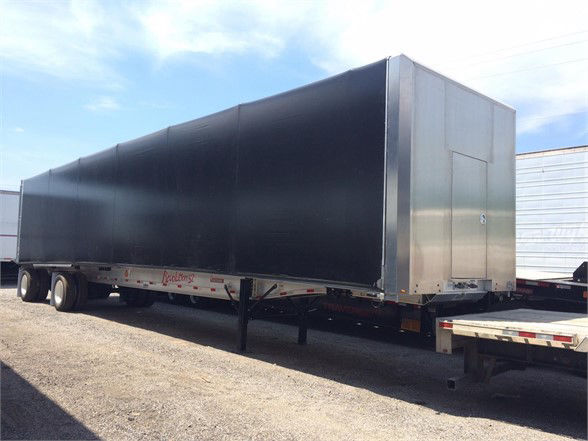
New Fontaine curtainside trailers combine flatbed access with weather protection using rolling tarp systems for general freight and specialty loads.
Learn more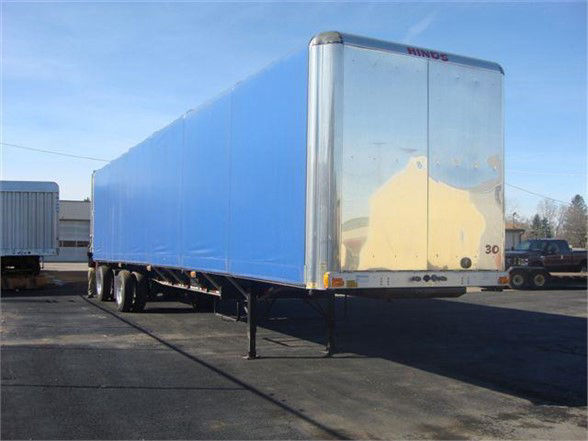
Have new fontaine curtainside trailer to sell? List it here to reach thousands of buyers.
About New Fontaine Curtainside Trailers
For a buyer comparing new Fontaine curtainside trailers, the first decision is usually the trailer foundation and cover system combination. Many are built on 48-foot all-aluminum flatbed platforms to keep tare weight down and maximize payload, but the tarp frame design, roller mechanism, bow spacing, and curtain material matter just as much as the deck. A well-designed sliding system should move smoothly, seal consistently, and hold up to repetitive open-close cycles in fleet service. Buyers should also look closely at deck height, crossmember spacing, flooring type, winch track configuration, tie-down access, and how the curtain system affects usable loading width and overhead clearance.
New-spec advantages are mostly about matching the trailer to the freight. Aluminum construction helps in weight-sensitive applications, while the load cover system should be selected around loading method, route conditions, and cargo profile. Some operations need fast side access for multi-stop deliveries, while others need a heavier-duty enclosure for regional building products or industrial freight. Tarp durability, replacement panel availability, corrosion resistance, rear closure design, and parts support are practical ownership issues that matter as much as purchase price. If the trailer will see northern climates, pay attention to hardware finish, moisture management, and how the rolling system performs in snow, ice, and road salt.
Fontaine has long been associated with platform trailers, so buyers often look at this category for a combination of structural strength and application flexibility. In the market, these units may be referred to broadly as curtainside trailers, rolling tarp trailers, or Conestoga-style trailers, although the exact design can vary by system manufacturer and spec. The key point is that a new Fontaine curtainside trailer gives operators open-deck loading access without leaving freight fully exposed. For many specialized freight lanes, that balance improves loading speed, broadens the types of freight a trailer can handle, and reduces the labor involved with conventional tarping.
Frequently Asked Questions
What is the difference between a curtainside trailer and a Conestoga-style trailer?
A curtainside trailer traditionally uses side curtains on a dedicated enclosed frame, while a Conestoga-style trailer is commonly a flatbed fitted with a rolling tarp frame that retracts to open the deck. In practice, buyers often group both under curtainside or rolling tarp equipment because both provide weather protection and side access. The important difference is how the structure opens, how much overhead loading access you get, and whether the trailer remains fundamentally a flatbed platform underneath the cover system.
What freight is a new Fontaine curtainside trailer best suited for?
This category is well suited for freight that benefits from side loading and weather protection at the same time. Common examples include palletized building materials, bagged products, crated machinery, specialty manufactured goods, and other shipments that would be difficult to tarp conventionally or risky to expose to weather. It is especially useful where forklifts load from the side or where crane access from above is needed after the cover is retracted.
Why do many buyers choose an aluminum flatbed base under a rolling tarp system?
An aluminum flatbed base helps reduce tare weight, which can improve payload capacity on legal gross weight freight. It also offers corrosion resistance that is valuable in year-round service and in regions with heavy road salt use. For fleets balancing weight, durability, and resale value, an all-aluminum platform paired with a retractable cover system is a common specification because it keeps the trailer versatile across multiple freight types.
What specifications matter most when comparing new curtainside trailers?
The most important specifications are overall length, trailer construction material, cover system design, internal clearance, deck configuration, and securement layout. Buyers should review crossmember spacing, floor rating, tie-down points, winch track placement, curtain or tarp material, rear door or flap design, and how easily the rolling system opens under daily use. Those details affect loading speed, usable cargo space, maintenance cost, and how well the trailer fits the freight mix.
Are rolling tarp trailers easier to work with than conventional flatbed tarping?
For many applications, yes. A rolling tarp trailer reduces the labor, time, and safety exposure associated with manually throwing tarps over freight. It can speed up loading and unloading, create a more consistent weather barrier, and reduce cargo claims tied to improper tarping. The tradeoff is that the retractable cover system adds moving components that need inspection, adjustment, and occasional parts replacement as the trailer ages.