
New CTS Dump Trailers For Sale
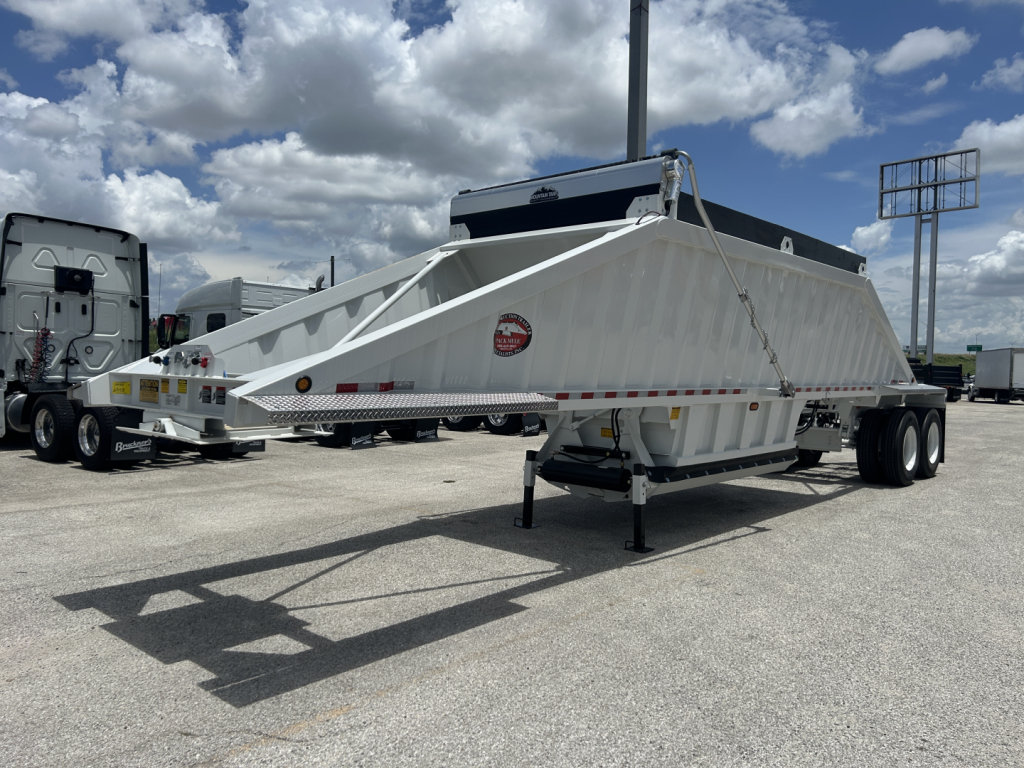
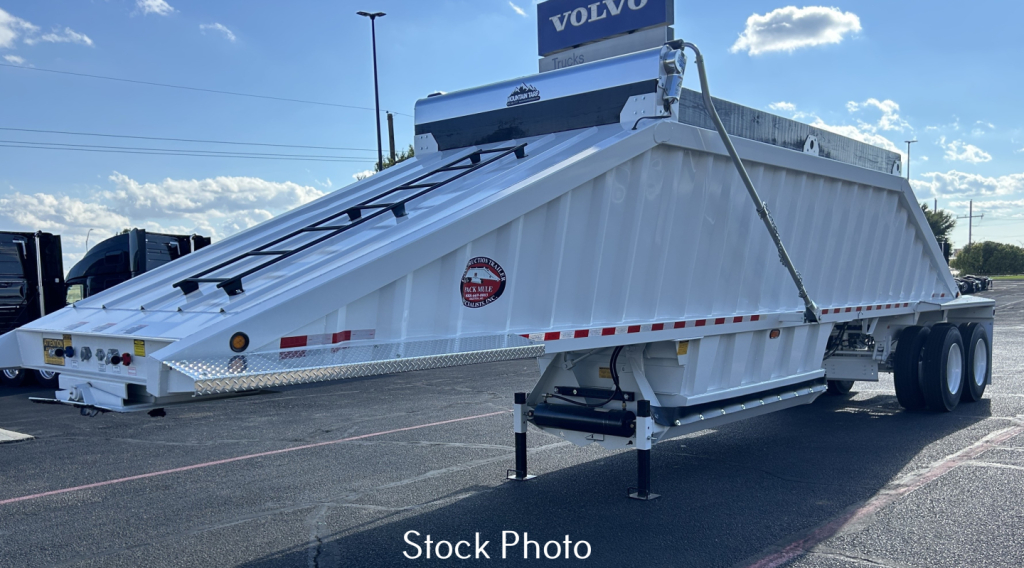
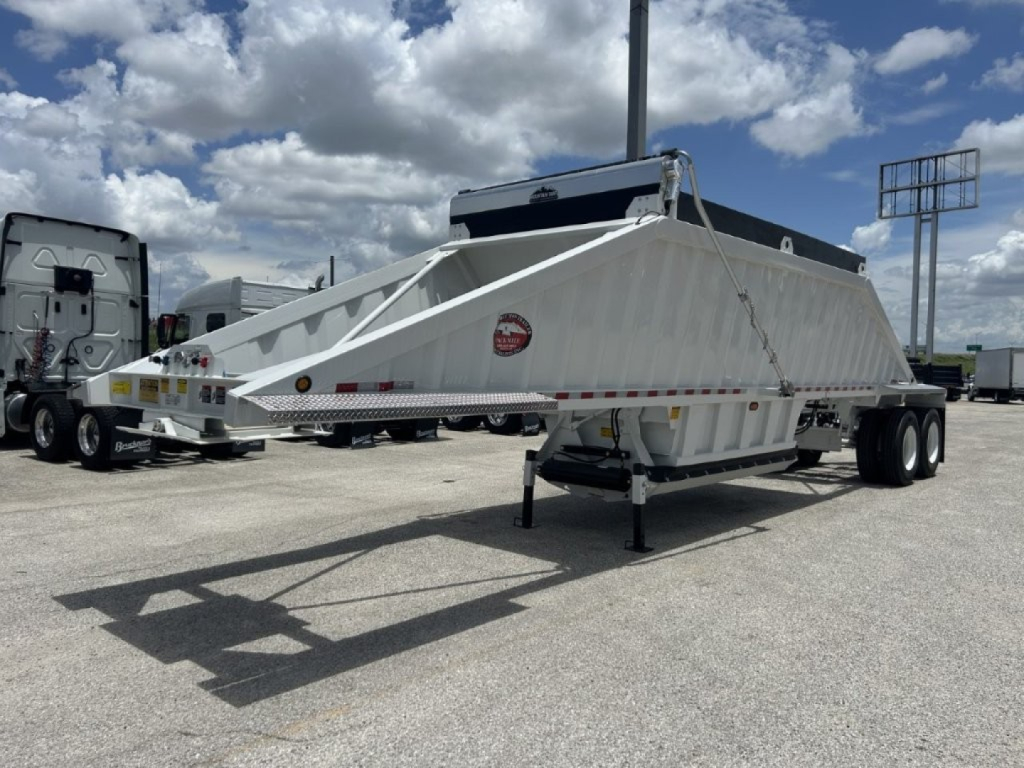
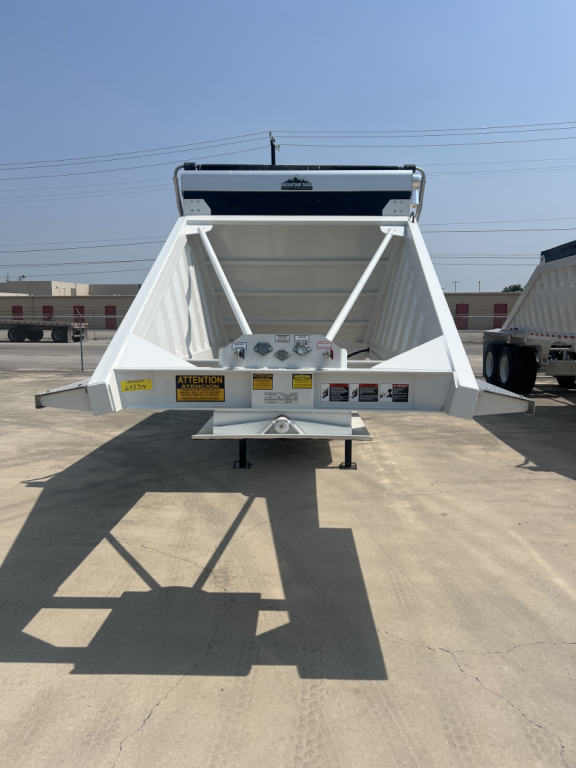
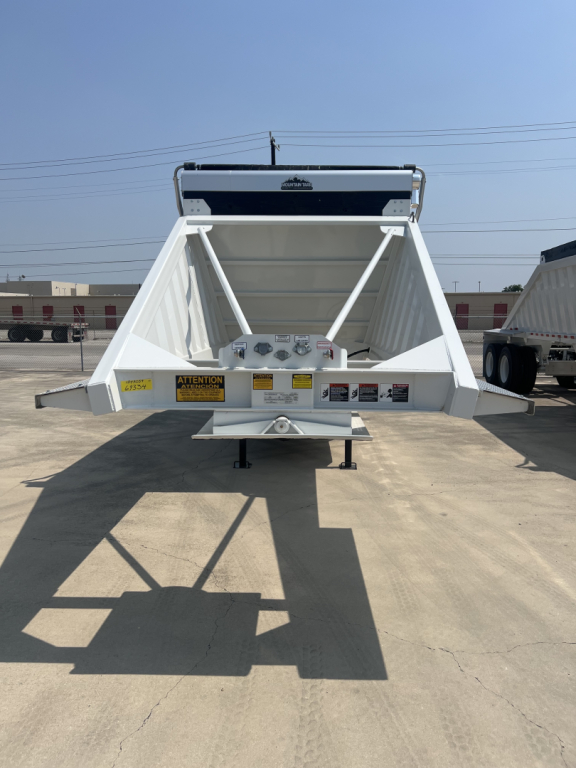
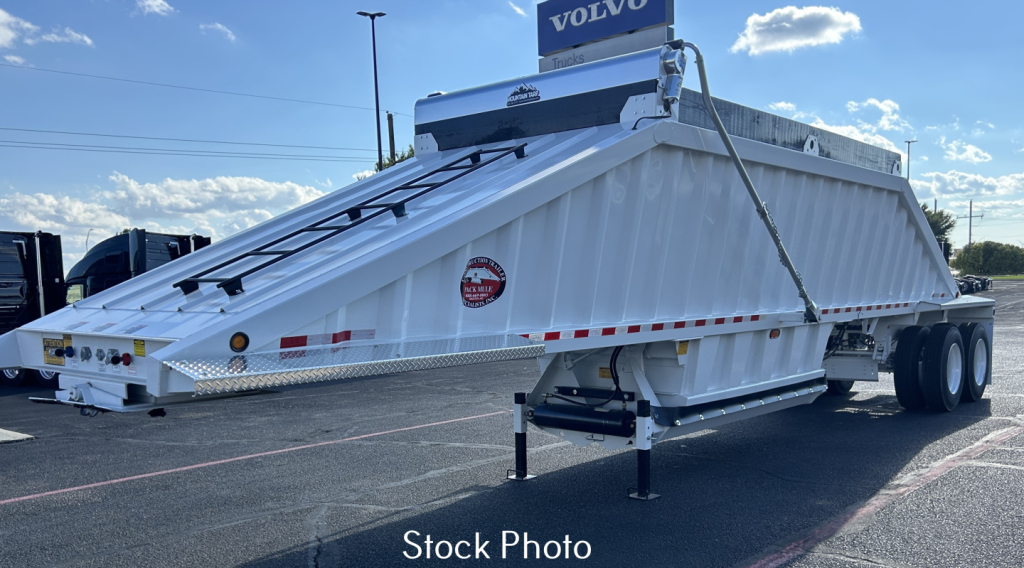
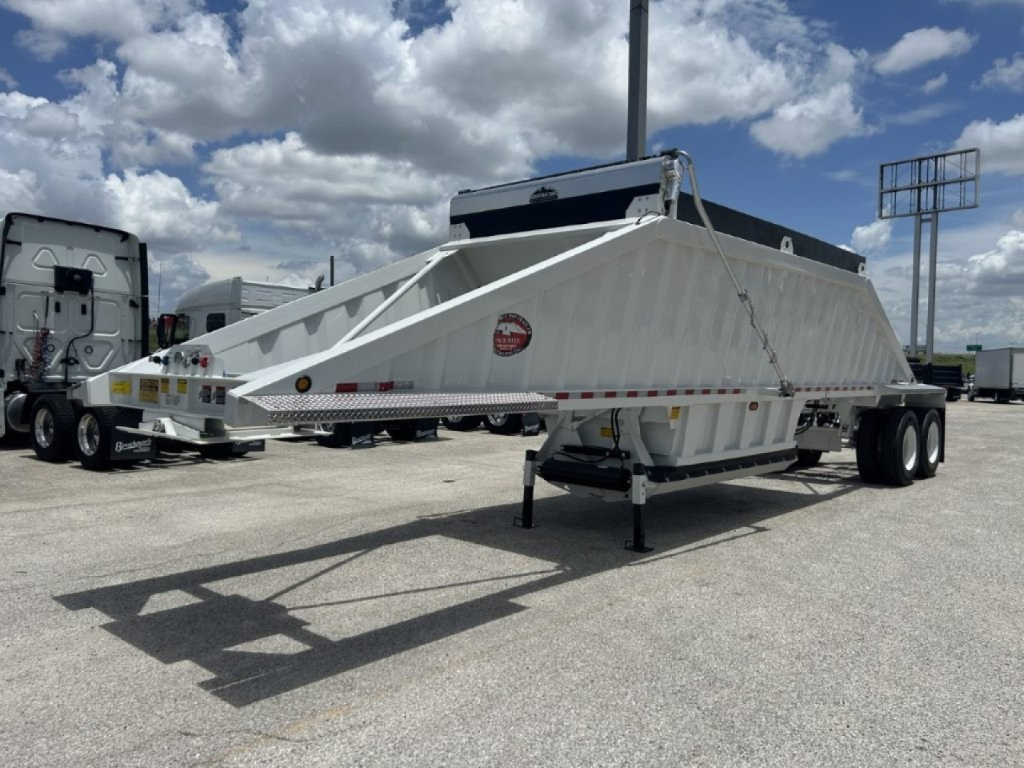
New CTS dump trailers for sale, including end dumps and half-rounds with air or spring ride, tarp systems, Hardox tubs, and tandem setups.
Learn more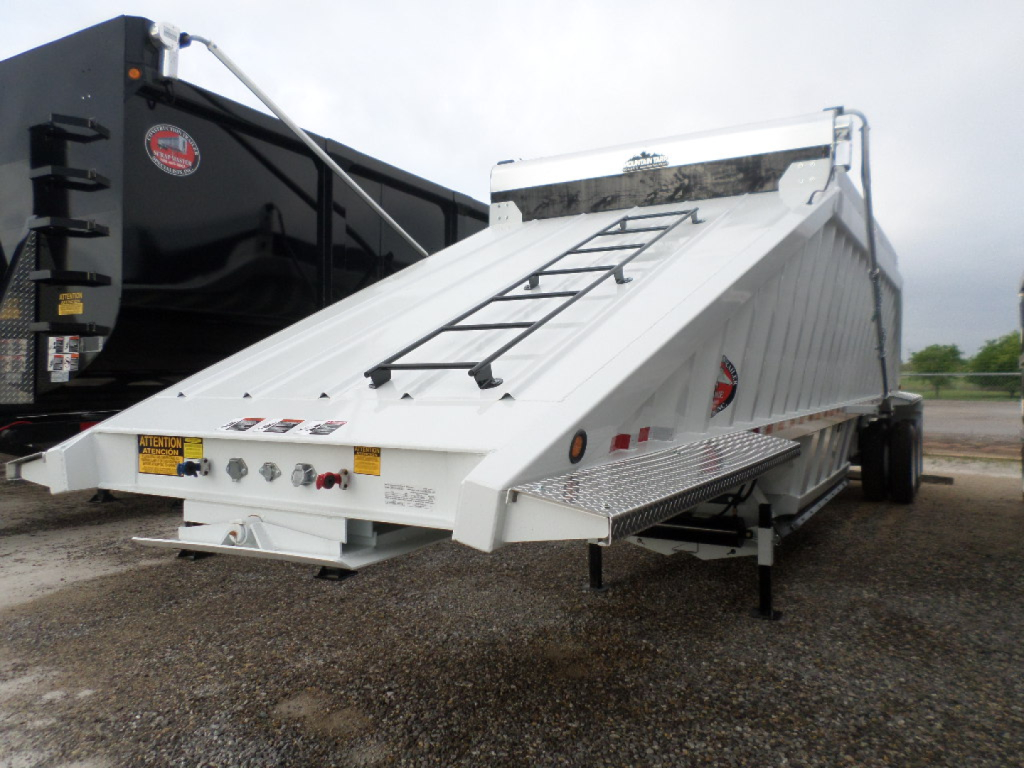
Have new cts dump trailer to sell? List it here to reach thousands of buyers.
About New CTS Dump Trailers
Suspension choice is one of the first things to sort out on a new CTS dump trailer. Air ride can improve road manners, help protect the trailer on rough routes, and is often preferred for mixed on-road use. Spring ride remains a straightforward, durable setup that many fleets still favor for severe service and lower maintenance complexity. Watch the rest of the running gear as closely as the tub. Buyers often compare axle spacing, wheel spec, tire size such as 11R24.5, brake package, air tank capacity, quick release valves, and the presence of aluminum outer wheels or steel wheels. On the body, details like slope sheets, 10-inch boards, windrow deflectors, push blocks, rear gate style, and fender construction all affect how the trailer performs in daily loading and paving environments.
Material and floor design should match what the trailer will haul most of the time. A CTS half-round with a 1/4-inch 450 Hardox tub is aimed at abrasive material and repeated impact loading, which is important for quarry, excavation, and demolition applications. Frameless designs can reduce empty weight and improve payload, but they also place more emphasis on proper operating conditions and dump site stability. If your work includes uneven ground, soft shoulders, or frequent off-road maneuvering, evaluate center of gravity, body width, gate configuration, and hoist geometry carefully. A high-lift rear gate can be a strong fit when larger chunks or mixed debris need clean discharge, while slope sheet options can help control flow and reduce material hang-up in certain applications.
Most new CTS dump trailers in this class are also spec'd with electric tarp systems such as flip or flip-and-go setups, which is worth attention if your loads change often or your drivers are covering multiple trips per day. Ladder placement, side access, wired controls, and manual backup controls all affect safety and uptime in the field. The best buying decision usually comes down to matching body style, suspension, and liner or steel package to the material, route, and dump conditions you run every day. A buyer comparing new CTS dump trailers should focus less on headline length and more on tub design, suspension, gate operation, and how the trailer is equipped for the exact material stream it will handle.
Frequently Asked Questions
What is the difference between a CTS end dump trailer and a CTS half-round dump trailer?
A CTS end dump trailer with boards typically offers a more conventional box-style body and can be a good fit for operations balancing cubic capacity and varied bulk materials. A CTS half-round dump trailer uses a rounded tub that promotes cleaner discharge and less material hang-up, which is especially useful with wet clay, asphalt millings, or other sticky products. Half-round designs are also commonly favored in aggregate service because they handle impact well and reduce carryback, but the right choice depends on your material mix, load density, and dump conditions.
Is air ride or spring ride better on a new dump trailer?
Air ride is often chosen for smoother highway operation, better ride quality, and reduced shock transfer into the trailer structure. Spring ride remains popular because it is simple, durable, and familiar to many fleets running hard vocational service. The better option depends on the trailer's duty cycle, road conditions, maintenance preferences, and how much time it spends on pavement versus rough jobsites. Buyers should compare suspension choice together with axle spec, tire package, and expected payload, not as an isolated feature.
What should I look for in a dump trailer body for heavy or abrasive material?
For heavy or abrasive loads, tub material and body design are critical. A body built with abrasion-resistant steel such as 450 Hardox can improve wear life when hauling rock, riprap, demolition debris, or other punishing material. Buyers should also check floor and wall thickness, gate design, liner or slope sheet options, and how the body shape affects discharge. A durable tub is important, but so is matching the trailer's cubic capacity to legal payload targets so you do not end up with excess volume you cannot fully use.
Why do slope sheets matter on some dump trailers?
Slope sheets help guide material flow and can reduce the amount of product left in the body after dumping. They are especially relevant when hauling material that tends to bridge, stick, or pile unevenly during unload. On some applications, slope sheets can improve cleanout and help maintain faster turnaround times at the dump site. They are not necessary for every operation, so the value depends on the material being hauled and how often incomplete discharge creates cleanup or productivity issues.
Which specs matter most when comparing new CTS dump trailers for paving or aggregate work?
The most important specs usually include body style, length, cubic yard rating, suspension, tub material, gate type, tarp system, tire and wheel package, and details like windrow deflectors, fenders, push blocks, and quick release valves. For paving work, tarp operation, discharge control, and body features that manage material flow become especially important. For aggregate hauling, abrasion resistance, structural durability, and stable dump performance tend to move to the top of the list. Buyers get the best long-term result by comparing the trailer's exact spec to the material stream and site conditions it will see every day.