
New Cheetah Container Trailers For Sale
Shop new Cheetah container trailers built for port, tank, and ISO container work with durable chassis specs and fleet-ready options.
Learn more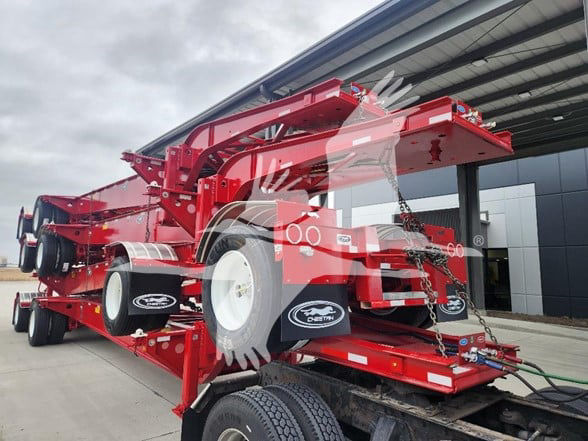
Have new cheetah container trailer to sell? List it here to reach thousands of buyers.
About New Cheetah Container Trailers
One of the first decisions is matching the trailer to the exact container work it will handle. A 20-foot ISO tank chassis is different from a general-purpose container chassis because tank containers concentrate weight differently and can push axle loading faster than a standard box. That makes legal payload distribution, kingpin setting, and overall chassis weight especially important. Buyers should look closely at GVWR, axle rating, suspension type, tire size, wheel material, and whether the trailer is optimized for terminal, regional, or repeated highway use. Spring ride remains common for straightforward serviceability and lower upfront cost, while tire inflation systems such as PSI are valuable for fleets trying to control tire wear, roadside calls, and fuel loss from underinflation.
Cheetah is a recognized name in container chassis, and new units are often spec'd for simple, high-cycle service with galvanized or painted steel components, LED lighting, and standardized parts that fleets can support without special sourcing. On tank chassis in particular, details like frame reinforcement, rear underride protection, hose tube provision, and landing gear placement can affect both safety and ease of operation in the yard. LP 22.5 tires are a common choice when buyers want a proven, easy-to-source tire size for chassis service, and steel wheels still make sense in many port and rail applications where durability and replacement cost are higher priorities than shaving every possible pound.
For a buyer comparing new Cheetah container trailers, the real question is not just brand or price. It is how closely the chassis matches the container pool, lane profile, and terminal environment. A trailer that spends its life under loaded tank containers needs a different spec focus than one cycling dry boxes in short dray runs. Pay attention to container length compatibility, loaded height, tare weight, suspension maintenance, tire management equipment, and the practical service network behind the running gear. Those factors usually have more impact on uptime and total cost of ownership than small differences on the data plate.
Frequently Asked Questions
What is a Cheetah container trailer used for?
A Cheetah container trailer, often called a container chassis, is used to move intermodal shipping containers between ports, rail ramps, warehouses, and customer facilities. Depending on the spec, it may be built for standard ISO containers, refrigerated containers, or specialized tank containers. The most important factor is matching the chassis to the container size and weight profile it is expected to haul.
What should I look for in a new 20-foot ISO tank chassis?
A 20-foot ISO tank chassis should be evaluated for axle capacity, weight distribution, kingpin setting, suspension type, tare weight, and twist lock layout. Tank containers place dense weight in a compact footprint, so proper load balance is critical for staying legal on axle weights and maintaining stable road manners. Tire inflation systems, tire size, wheel type, and frame reinforcement also matter because these trailers often see repetitive heavy service.
Is spring ride a good choice for a container trailer?
Spring ride is still a practical choice for many container chassis applications because it is durable, widely understood by fleet shops, and generally less expensive to maintain than more complex suspension systems. It works well in port, rail, and regional service where simplicity is important. Buyers running longer highway lanes or highly weight-sensitive operations may compare it against air ride, but spring ride remains common on container and tank chassis.
Why is a PSI tire inflation system useful on a container chassis?
A PSI tire inflation system helps maintain proper tire pressure while the trailer is in service, which can reduce irregular wear, improve tire life, and lower the risk of roadside failures. On container chassis that cycle constantly through terminals and drayage routes, tire issues are one of the most common preventable downtime items. Automatic inflation can be especially valuable for fleets focused on uptime and maintenance control.
Are steel wheels and LP 22.5 tires standard on container trailers?
Steel wheels and LP 22.5 tires are common on container chassis because they balance cost, durability, and parts availability. Steel wheels are often preferred in severe-service environments where impact resistance and replacement economy matter more than lightweighting. LP 22.5 tires are a familiar size in chassis service and are easy for most fleets and tire vendors to support.