
Mack Construction/Vocational Trucks For Sale
Browse Mack construction and vocational trucks, including Granite, RD, MR, and CV models built for mixers, dumps, pumps, and severe-service work.
Learn more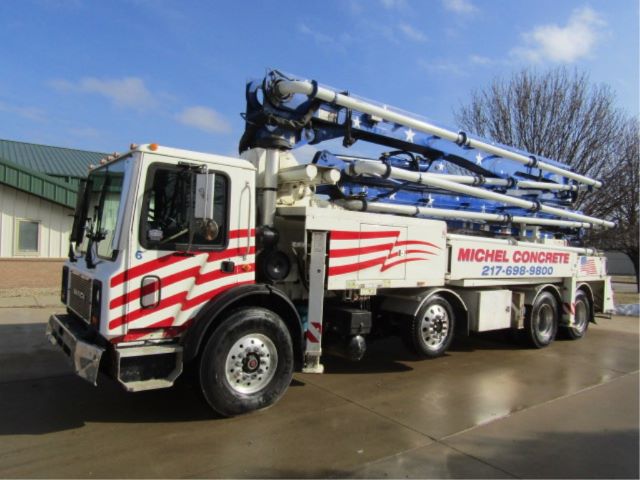
Have mack construction/vocational truck to sell? List it here to reach thousands of buyers.
About Mack Construction/Vocational Trucks
Powertrain details are especially important on older and used Mack vocational trucks. Many buyers look for Mack engines paired with Maxitorque transmissions, while others will see vocational specs with Fuller manuals or automatic options depending on the body and duty cycle. Rear axle ratios in the 4.xx range are common on mixer, dump, and conveyor applications where startability and low-speed control matter more than highway fuel economy. Suspension type also deserves attention. Camelback, walking beam, and other heavy vocational suspensions remain popular because they hold up well on uneven surfaces and under off-road loading conditions. Front axle ratings, steering gear condition, brake type, and PTO compatibility should all be reviewed closely, especially on trucks that have spent years in concrete, aggregate, or demolition service.
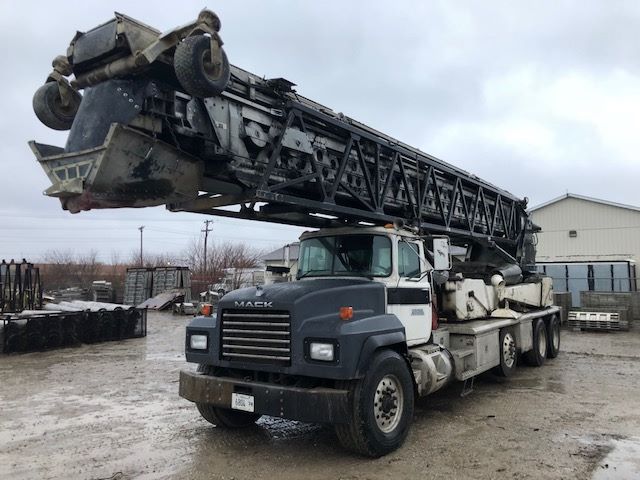
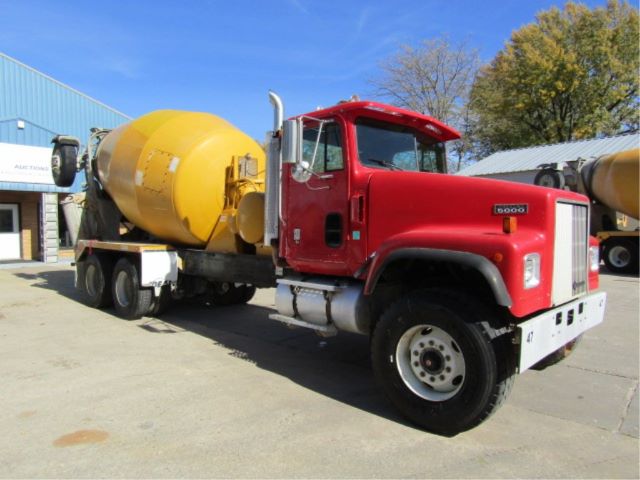
Body-specific fit is what separates a good buy from an expensive mismatch. A Mack concrete mixer needs the right frame rail spec, axle spread, and transmission gearing to manage drum weight and chute work. A concrete pump truck or conveyor truck brings another layer of scrutiny, including outrigger support, PTO performance, hydraulic system condition, and overall stability under load. Dump and severe-service chassis buyers should inspect hoist mounting areas, crossmember condition, and signs of frame modification or corrosion around body attachment points. Cab configuration matters too. Day cabs dominate this segment, but visibility, turning radius, hood design, and cab entry height can have a real effect on urban paving, plant work, and tight residential jobsites.
Mack has long been a strong name in vocational trucking because these trucks are usually spec’d to work, not just to travel. That means a buyer should evaluate remaining life in the clutch, driveline, suspension bushings, steering components, and body upfit just as carefully as engine hours or odometer miles. On used units, low mileage can be less meaningful than PTO hours, idle time, and the severity of the application. Service records, axle and suspension tags, transmission model, wheelbase, and body manufacturer details will tell you more than a generic listing title. When the spec matches the job, a Mack vocational truck can be a durable platform for concrete, construction, municipal, and material-handling work.
Frequently Asked Questions
What Mack models are most common in construction and vocational truck applications?
Mack Granite, RD, MR, and CV models are among the most common vocational platforms. The Granite is widely used for dumps, mixers, and severe-service chassis work. RD and MR models are often found in older dump, mixer, refuse, and municipal roles. CV-series trucks are also seen in construction applications, especially where a durable vocational chassis is needed. The exact model matters less than the axle, frame, suspension, and body spec that determine how the truck performs in its intended job.
What should I check first on a used Mack vocational truck?
Start with the truck’s application spec rather than the cab or engine badge. Confirm front axle rating, rear axle capacity, suspension type, frame rail configuration, wheelbase, PTO setup, and transmission model. Then inspect the body integration points, including hoist mounts, mixer subframe mounts, pump supports, or conveyor equipment. After that, review engine hours, service history, brake condition, steering wear, suspension bushings, driveline condition, and signs of frame cracking or corrosion. A vocational truck’s value is driven by how well its chassis matches the body and duty cycle.
Are Mack vocational trucks good for concrete mixer and pump applications?
Mack vocational trucks are commonly used in concrete service because their chassis are well suited for heavy loads, jobsite maneuvering, and PTO-driven equipment. Mixer applications benefit from strong front axle options, durable rear suspensions, and gearing that supports repeated starts with a loaded drum. Pump trucks require even closer attention to frame integrity, outrigger support structure, hydraulic performance, and stability. In either case, the truck should be evaluated as a complete package, not just by engine make or mileage.
Do rear axle ratios matter on a Mack construction truck?
Yes. Rear axle ratio has a direct effect on startability, low-speed control, gradeability, and highway speed. Vocational trucks often use deeper ratios such as 4.42 or similar because they spend more time hauling heavy loads from a stop, maneuvering on jobsites, or powering equipment through PTO functions. A ratio that works well in a mixer, dump, or conveyor application may not be ideal for longer highway runs, so the ratio should match the truck’s actual route and payload demands.
Is low mileage the best indicator of value on a used Mack vocational truck?
Not by itself. Vocational trucks can show relatively low miles while still having very hard service histories due to idling, PTO work, short-haul cycles, off-road operation, and constant loading. Engine hours, PTO hours, maintenance records, brake and suspension wear, steering condition, and the state of the body equipment often reveal more about remaining life than the odometer alone. A well-documented high-hour truck can be a better buy than a low-mile unit with poor maintenance or a mismatched spec.