
International Tow Trucks For Sale
Shop International tow trucks, including rollback carriers and wreckers, with medium-duty diesel power, air brakes, and proven recovery setups.
Learn more
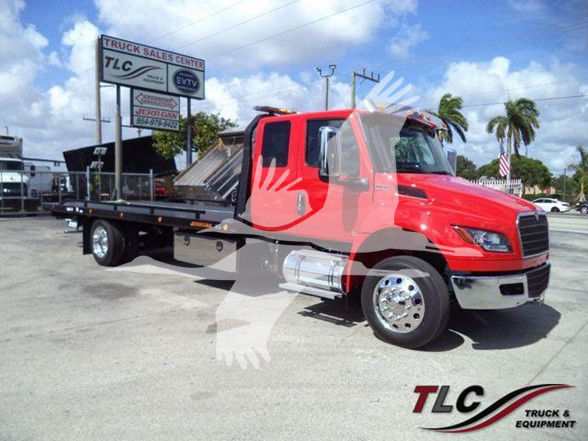
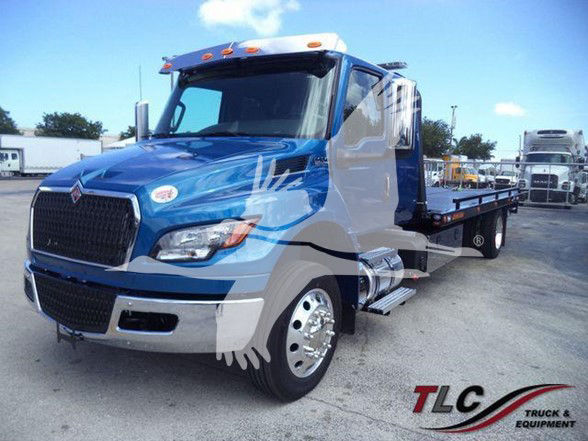
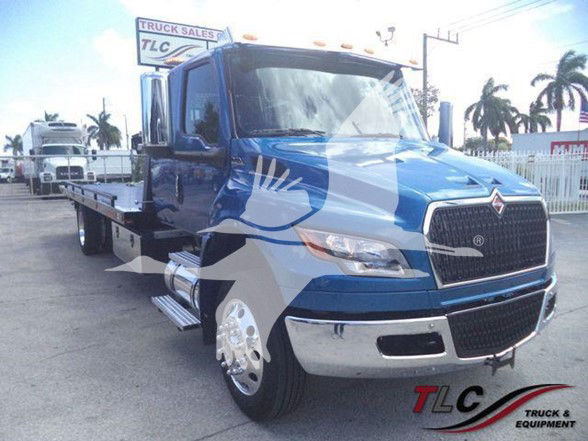
Have international tow truck to sell? List it here to reach thousands of buyers.
About International Tow Trucks
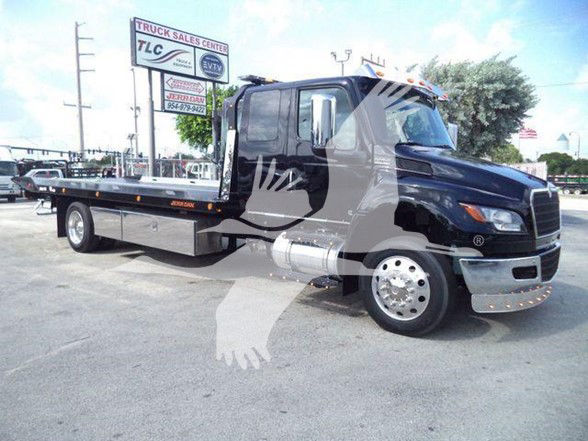
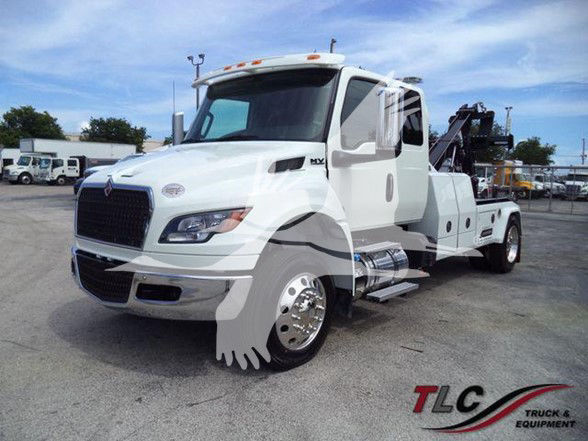
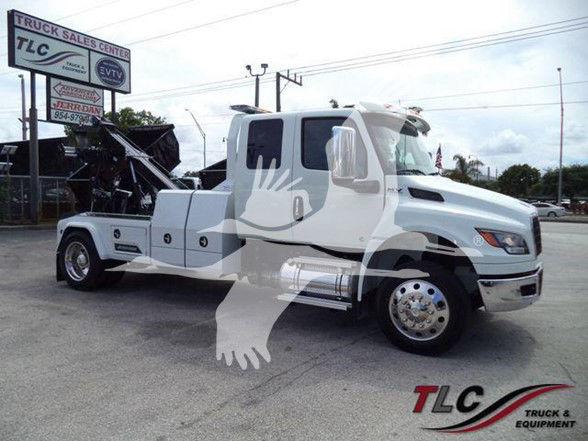
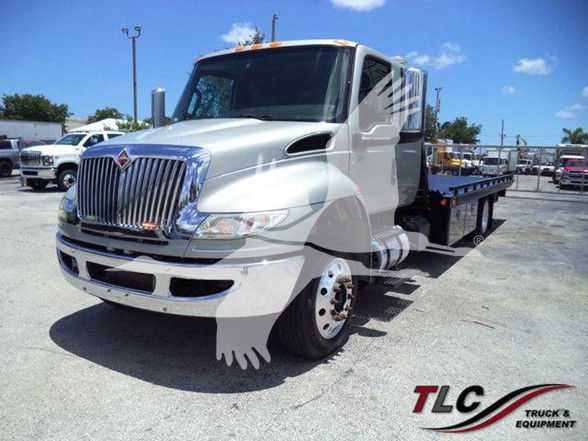
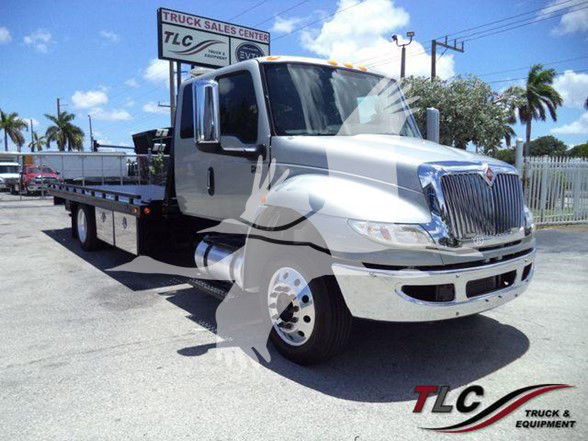
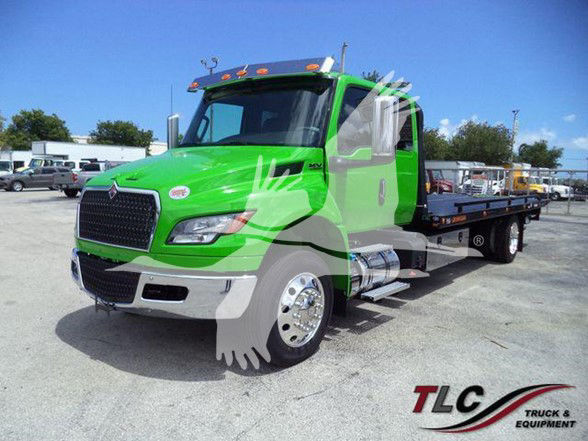
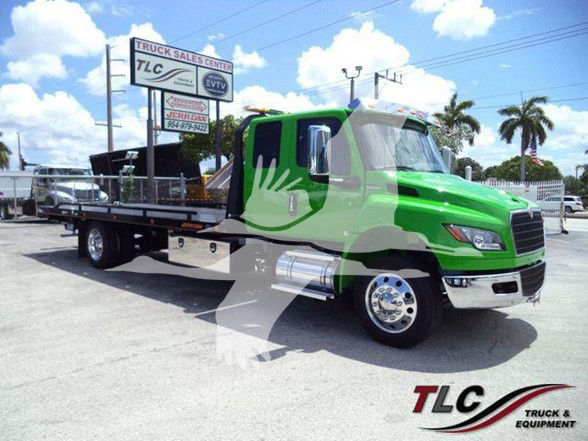
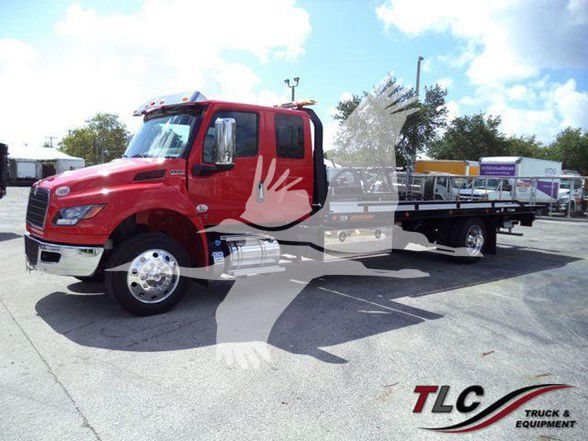
The first buying decision is usually carrier versus wrecker. A rollback, also called a carrier or flatbed tow truck, is often the better fit for transporting cars, pickups, light equipment, and all-wheel-drive vehicles with less risk of driveline damage. Typical specs include a 21-foot to 22-foot steel deck, about 102 inches of width, 6-ton deck rating, an 8,000-pound winch, and a 3,500-pound wheel lift for secondary towing. A wrecker setup is more focused on recovery and relocation work, with underlift equipment, tunnel boxes, boom ratings in the 10-ton to 12-ton range, stiff legs, and dual winches for more controlled pulls. Jerr-Dan and Century bodies are common names in this segment, and the body brand matters because parts support, control layout, and resale can vary by region.
Chassis details make a big difference in day-to-day use. Air brakes are common on these International tow trucks and are preferred by many fleets for stopping confidence and serviceability. Air ride suspension can improve ride quality and help protect both the body and the load, especially on rollback applications. Wheelbase and cab-to-axle dimensions deserve close attention because they directly affect deck length, weight distribution, turning radius, and front axle loading. A longer CA can improve balance on a 22-foot carrier, while an extended cab adds storage and crew space but changes usable body placement. Buyers should also check tire size, low-profile 22.5 setup, fuel capacity, PTO operation, hydraulic response, and whether the truck includes practical towing gear such as L-arms, frame forks, spade attachments, chains, straps, dollies, and work lighting.
On used International tow trucks, condition matters as much as specification. Check for frame corrosion, bed or boom wear, winch cable condition, wheel-lift bushings, hydraulic leaks, and signs of uneven loading or previous overload. Verify that the body installation matches the chassis ratings and axle capacities, especially on trucks sitting near the 26,000 GVWR threshold. Service records for the engine, transmission, brakes, and PTO system are valuable, and body-specific maintenance history is just as important. A well-spec'd International tow truck can serve repossession work, municipal towing, dealership transport, roadside assistance, and local recovery, but the right unit depends on the type of vehicles being moved, the operating radius, and how often the truck will be doing true recovery versus straight transport.
Frequently Asked Questions
What is the difference between an International rollback and an International wrecker?
An International rollback uses a tilting flat deck to load and transport vehicles completely off the ground, which is ideal for damaged cars, low-clearance vehicles, and all-wheel-drive units. An International wrecker uses a boom and wheel-lift or underlift system to tow a vehicle with one axle raised. Rollbacks are usually the better choice for transport-focused work, while wreckers are better suited for recovery, repossession, impounds, and quick hook-and-go towing.
What GVWR is common for International tow trucks?
Many International tow trucks in the medium-duty segment are spec'd around 25,999 to 26,000 GVWR. That range is popular because it supports a useful combination of chassis strength, towing equipment, and operating flexibility. Buyers still need to look beyond the gross rating and confirm front axle, rear axle, tire, and body ratings, because actual legal and practical capacity depends on the full chassis and body specification.
What engines and transmissions are common in International tow trucks?
Newer International tow trucks often use a Cummins diesel paired with an Allison automatic transmission, a combination known for predictable drivability in stop-and-go towing service. Older International tow trucks may carry DT-series engines such as the DT466E, which remain respected for longevity and parts familiarity. For most towing operations, an automatic transmission is preferred because it reduces driver fatigue and gives smoother control when loading, winching, and maneuvering in tight recovery situations.
What should I inspect on a used International tow truck?
Focus on both the truck and the towing body. Inspect the frame, suspension, brake system, PTO engagement, hydraulic cylinders, hoses, control valves, deck or boom structure, wheel-lift wear points, and winch operation under load. Look at cable condition, toolbox integrity, lighting, and signs of stress around body mounts. It is also smart to confirm the wheelbase and cab-to-axle dimensions match the installed carrier or wrecker body, because poor weight distribution can affect steering, tire wear, and legal axle loading.
Is an International tow truck better for local towing or longer-route transport?
Most International tow trucks in this class are strongest in local and regional work where maneuverability, medium-duty serviceability, and body versatility matter more than highway speed or extreme towing capacity. They are widely used for roadside assistance, dealership moves, accident transport, municipal towing, and general light-duty recovery. For operators handling passenger vehicles, pickups, and small commercial units, an International chassis can be a very practical platform, especially when the body specification matches the actual mix of work.