
International Conventional Daycab Trucks For Sale in New York
Shop International conventional daycab trucks with specs for regional haul, port work, P&D, and terminal service in New York.
Learn more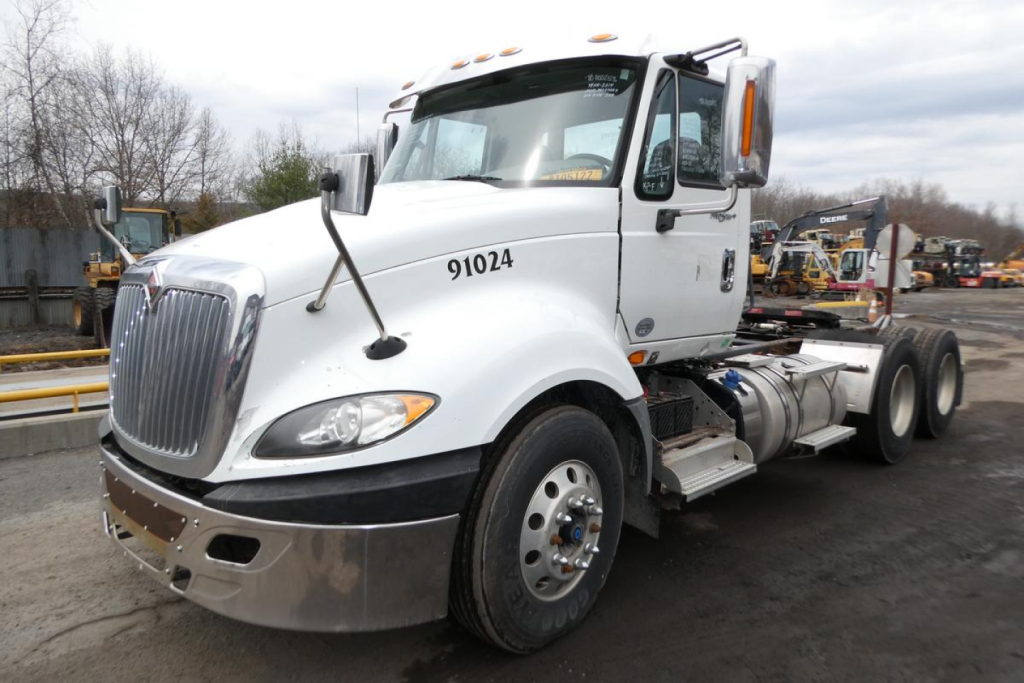
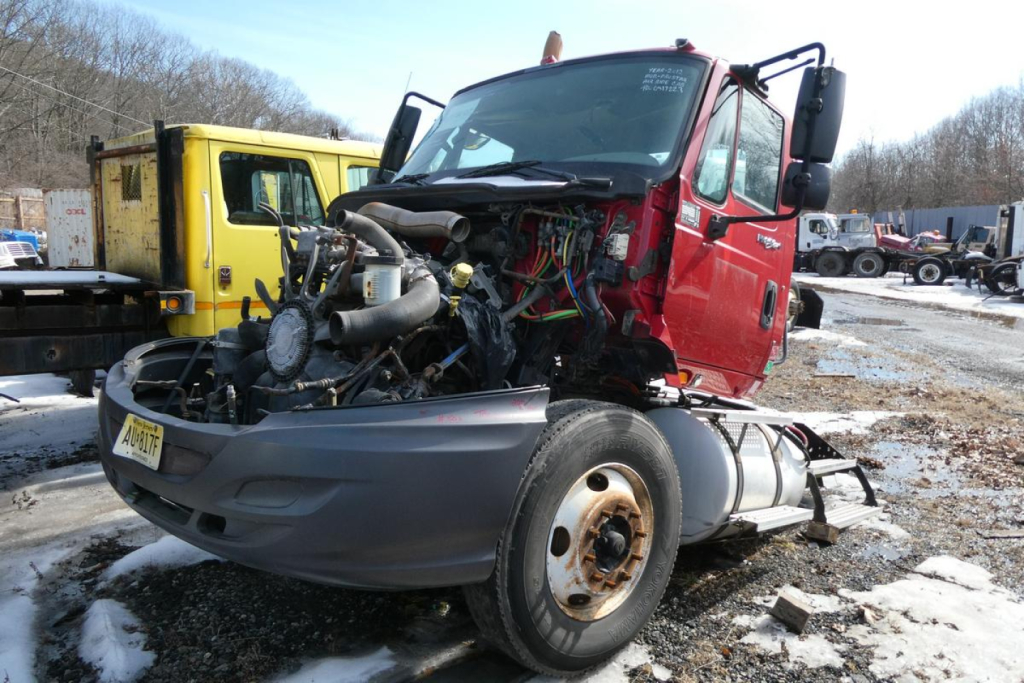
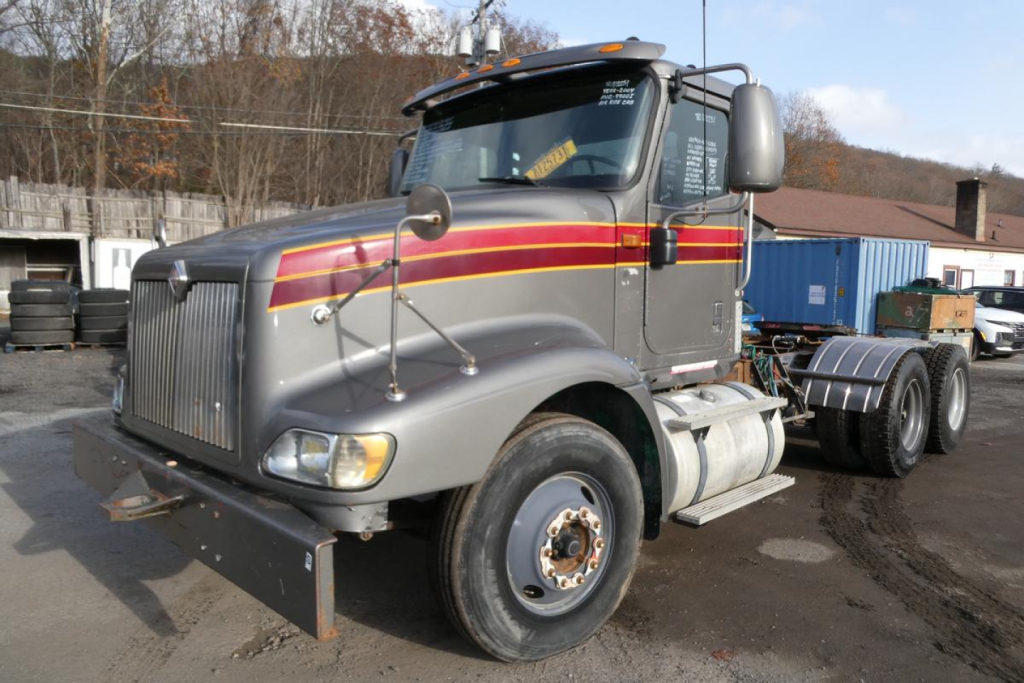
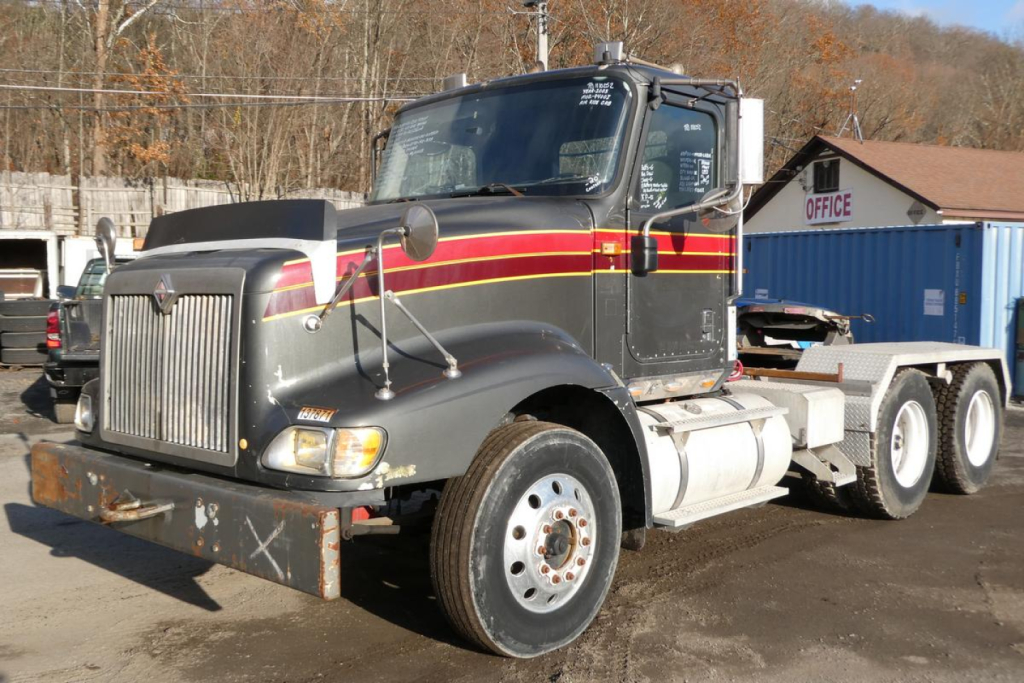
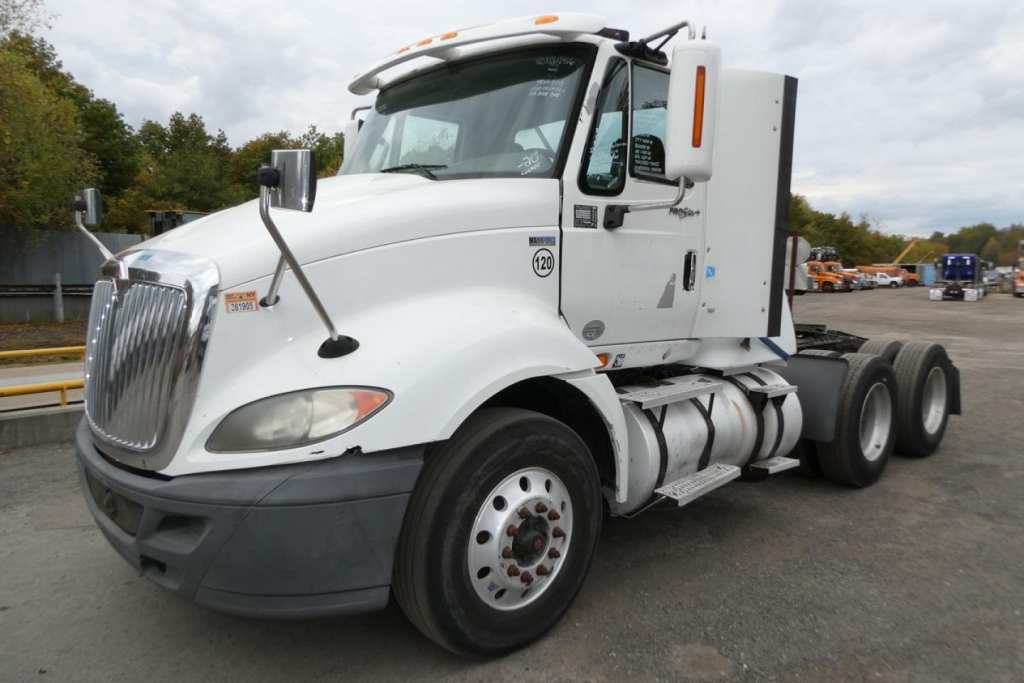
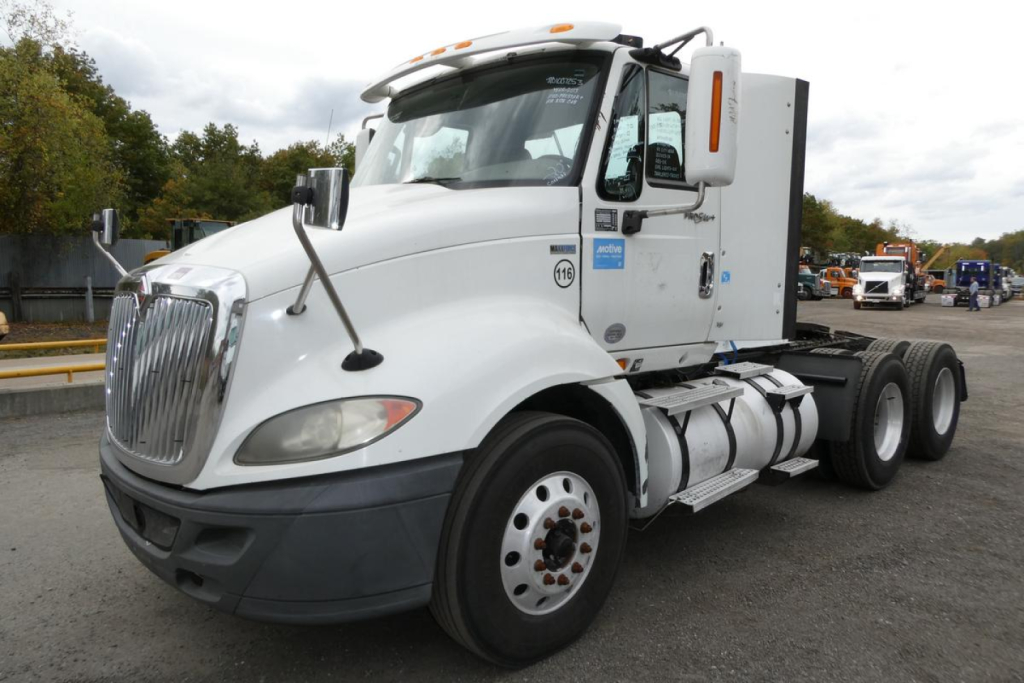
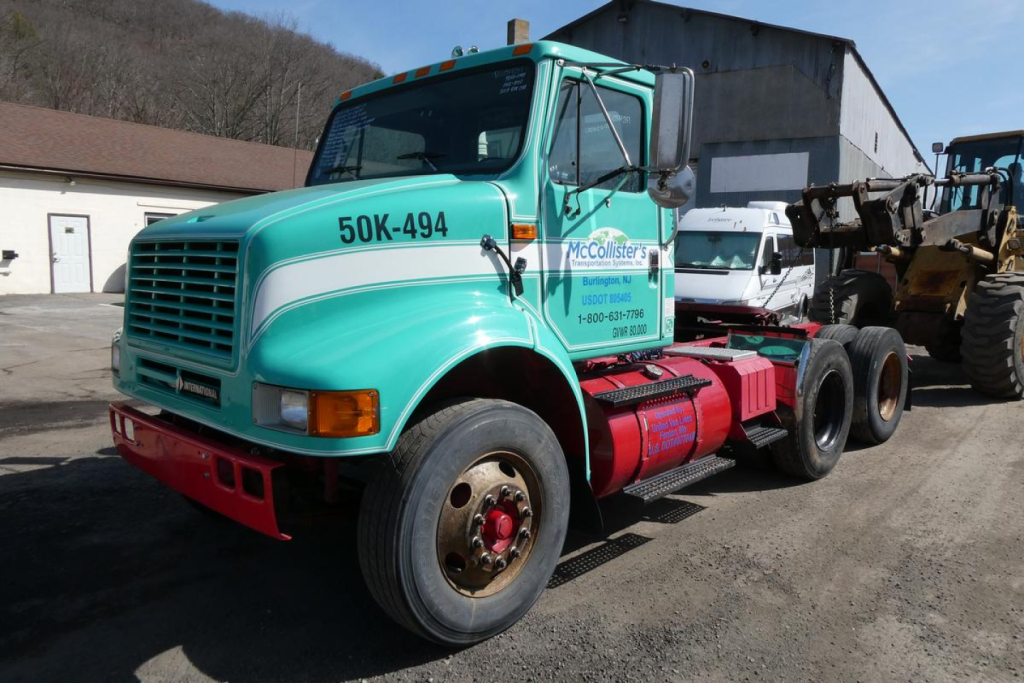
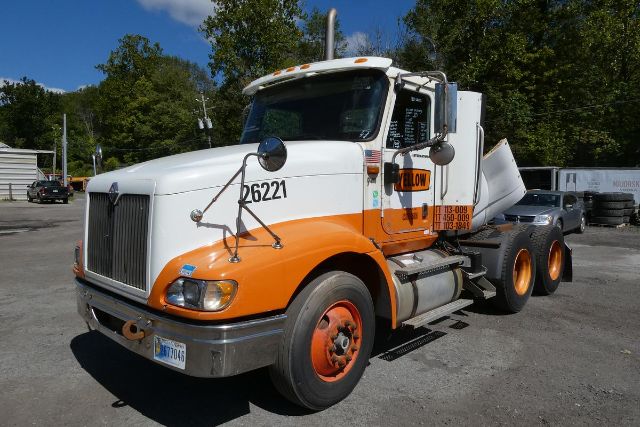
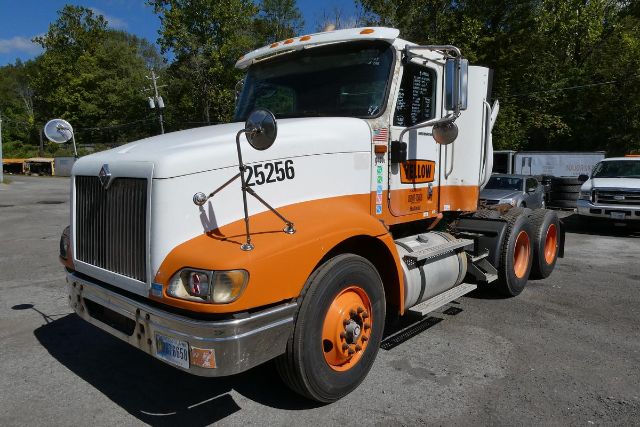
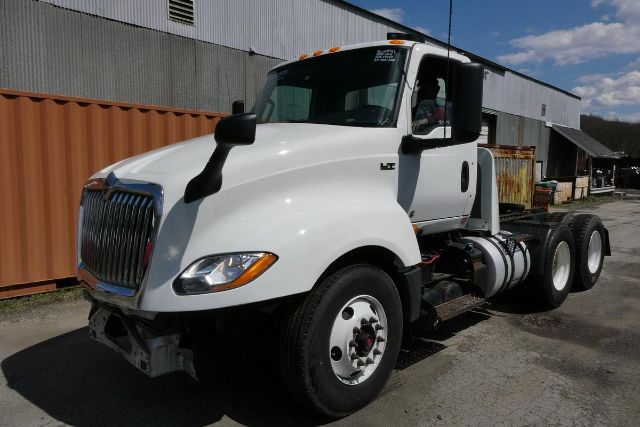
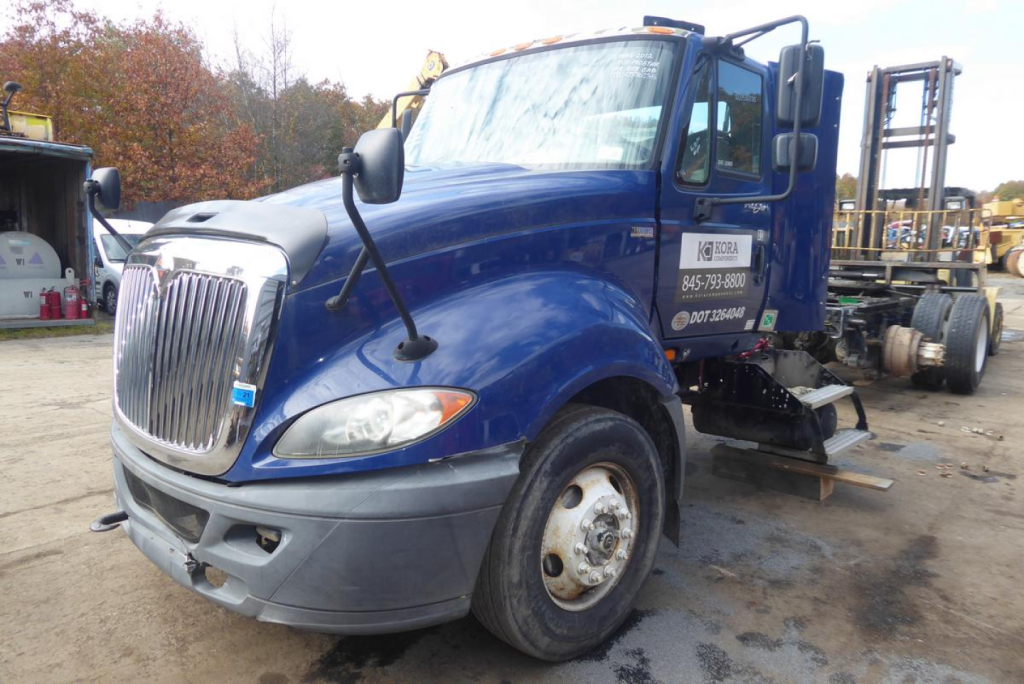
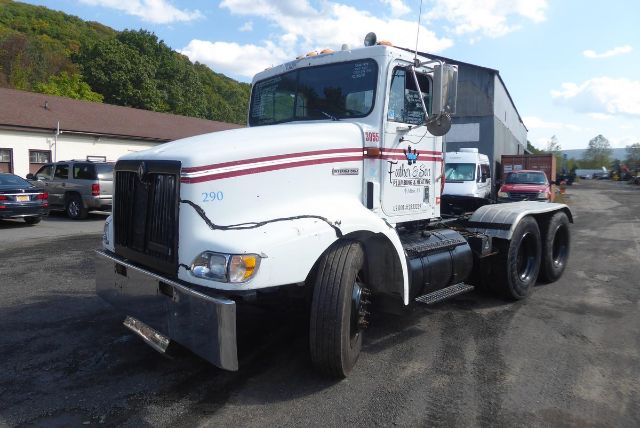
Have international conventional daycab truck to sell? List it here to reach thousands of buyers.
About International Conventional Daycab Trucks in New York
The first buying decision is usually engine and transmission. Later-model International daycabs often carry the Navistar A26 in the 400 to 450 horsepower range, typically matched to an automated manual or fully automatic setup for easier driver onboarding and less clutch wear in stop-and-go service. Older units may be spec'd with Cummins ISX power or International MaxxForce engines backed by 10-speed manual transmissions. Rear axle ratings of 40,000 pounds are common, along with ratios from the high 2s to the mid 3s. A 2.79 or 3.25 ratio can make sense for highway regional routes and fuel economy, while 3.42 or 3.73 gearing is better suited to heavier starts, tighter routes, and more frequent low-speed operation.
Cab and chassis details matter more on a daycab than many buyers expect. Air slide fifth wheels help when the truck may pull different trailer lengths or needs kingpin setting flexibility. Common specs include 12,000 to 12,350 pound front axles, low-profile 22.5 rubber or 11R22.5 tires, aluminum or steel wheels, and disc or drum brake setups depending on year and application. Features like collision mitigation, power windows, cruise, tilt-telescoping steering, horizontal exhaust, cab extenders, and roof fairings can improve daily use and help with fuel burn on regional lanes. Buyers running vocational crossover work should also check for PTO capability, frame configuration, and suspension condition if the tractor may be converted for specialized hauling.
For used International conventional daycab trucks, the smart review goes beyond mileage. Look at engine family support, emissions history, clutch or transmission service records, brake type, suspension wear, wheelbase fit for your trailers, and whether the truck was used in highway fleet service or harsher urban duty cycles. In New York, corrosion exposure, idle time, and bumper-to-back-of-cab condition are worth close attention. A well-matched International daycab can be a strong fit for operations that need a durable, driver-friendly tractor with good visibility, straightforward service access, and a spec that balances fuel economy with pulling ability.
Frequently Asked Questions
What is an International conventional daycab truck best used for?
An International conventional daycab truck is best suited for regional haul, local delivery support, drayage, terminal-to-terminal freight, and dedicated short-run tractor work. The non-sleeper cab reduces overall length and curb weight compared with a sleeper tractor, which helps in tighter traffic, crowded yards, and urban loading areas. Many fleets use these trucks for van, reefer, flatbed, and container chassis applications where the driver returns daily and does not need an onboard bunk.
Which International daycab models are most common on the used market?
Common International daycab models include the LT, RH, ProStar, and older 9400 series. The LT and RH are more common in newer regional fleet specs and often include the Navistar A26 engine with automated transmissions and modern safety systems. ProStar and 9400 daycabs are older but still widely seen in secondary markets, often with Cummins or International engines and manual 10-speed transmissions. The right model depends on your need for emissions-era technology, service familiarity, and driver preference.
What rear axle ratio is best for an International daycab?
The best rear axle ratio depends on route profile, trailer weight, and operating speed. Ratios such as 2.79 or 3.25 generally favor fuel economy and steady regional highway work. Ratios like 3.42 or 3.73 are better for heavier loads, frequent starts, port work, and city operation where stronger low-speed pulling power matters more than top-end fuel efficiency. Buyers should match axle ratio to engine torque curve, transmission gearing, and expected gross combination weight rather than choosing by ratio alone.
Are International daycabs good for New York and Northeast routes?
International daycabs are a practical fit for New York and Northeast operations because they are easier to maneuver than sleeper tractors and commonly spec'd for stop-and-go regional service. Shorter wheelbases, air slide fifth wheels, and daycab visibility help in dense traffic, older industrial sites, and port-related freight lanes. Buyers in this region should inspect for rust, frame condition, cab corrosion, and signs of high idle or severe-duty use because winter road treatment and urban cycles can accelerate wear.
What should I inspect first on a used International conventional daycab?
Start with the engine and emissions system history, then move to transmission operation, suspension wear, brake condition, and frame integrity. Confirm the rear axle rating, wheelbase, and fifth wheel setup match the trailers you plan to pull. On higher-mileage units, service records matter more than cosmetic condition. It is also important to check for steering play, air system leaks, tire wear patterns, and any signs that the truck spent its life in severe urban service rather than steady linehaul work.