
Fontaine Flatbed Trailers For Sale in Michigan
Browse Fontaine flatbed trailers for sale in Michigan. Compare 48- and 53-foot specs, axle setups, deck options, and securement features.
Learn more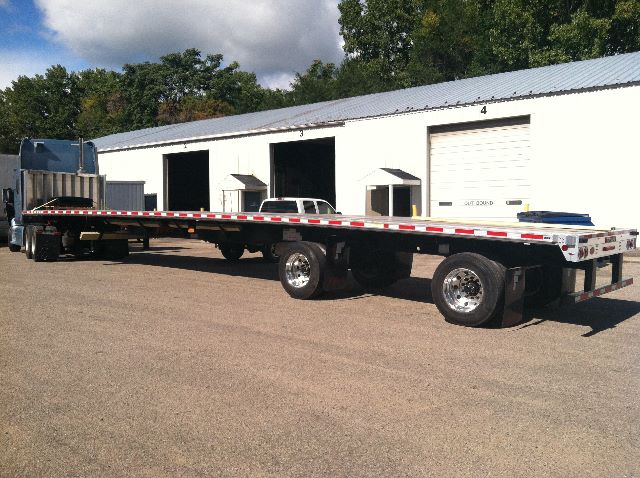
Have fontaine flatbed trailer to sell? List it here to reach thousands of buyers.
About Fontaine Flatbed Trailers in Michigan
Construction details matter more on a flatbed than many buyers expect. Fontaine trailers are often spec'd with all-aluminum construction or aluminum and steel combinations to balance tare weight with long-term durability. Key areas to inspect include crossmember condition, main beam integrity, floor wear, winch track condition, rub rail damage, and any repairs around the suspension hangers or rear frame. Features such as chain ties, stake pockets, side boxes, aluminum bulkheads, and coil package options can make one trailer much more useful for a specific operation. If your freight mix changes often, securement flexibility is a major buying factor.
Michigan buyers should also pay attention to how the trailer is equipped for four-season work. Deck surface condition, tire condition, brake life, lighting reliability, and corrosion around fasteners and landing gear all matter when a trailer sees road salt, temperature swings, and frequent loading cycles. Sliding axle models can be especially useful when hauling mixed legal loads, but they add components that should be checked for wear and proper operation. Suspension type, wheel-end service history, and current DOT compliance can tell you a lot about future maintenance costs.
A good Fontaine flatbed should match the freight first, then the tractor and route profile. Buyers comparing listings typically look at overall deck length, rear axle spread, kingpin setting, floor material, tire size, and the number and style of tiedown points. If the trailer will handle dense freight like steel or machinery, structural condition and concentrated load capability deserve close attention. If it will run lighter, higher-cube freight, minimizing empty weight may be the better priority. The best fit is the trailer that gives enough securement options, legal load flexibility, and structural life to stay productive without adding avoidable maintenance expense.
Frequently Asked Questions
What are the most important specs to compare on a Fontaine flatbed trailer?
The most important specs are deck length, width, axle configuration, suspension type, trailer weight, and tiedown equipment. Most buyers also compare kingpin setting, rear axle spread or sliding axle travel, floor material, and the condition of the rub rail, stake pockets, and winch track. These details affect payload, bridge compliance, load placement, and how easily the trailer can handle different commodities.
Is a sliding rear axle worth it on a flatbed trailer?
A sliding rear axle can be very useful if the trailer regularly hauls different load lengths or dense freight that needs axle weight adjusted for legal distribution. It gives more flexibility in balancing weight across the tractor and trailer, which can help on state routes with stricter bridge and axle requirements. The tradeoff is added complexity, more moving parts, and the need to inspect slider rails, locking pins, and related components for wear.
What should I inspect on a used Fontaine flatbed before buying?
Pay close attention to the main beams, crossmembers, floor condition, suspension hangers, axle alignment, brakes, tires, wheel ends, and landing gear. Look for welded repairs, impact damage, corrosion, cracked aluminum, and uneven deck wear from forklifts or concentrated loads. Also inspect securement hardware such as chain ties, stake pockets, rub rails, and winch tracks, because these parts take constant abuse and directly affect how safely the trailer can be loaded.
What freight is a Fontaine flatbed trailer commonly used for?
Fontaine flatbeds are commonly used for steel, lumber, machinery, palletized building materials, pipe, equipment, and other freight that can be loaded from the side, rear, or overhead. Their open deck design makes them practical for irregular or oversized cargo that would not fit inside a van trailer. The right trailer spec depends on whether the operation is focused on dense industrial freight, general building products, or lighter mixed loads.
Are aluminum flatbed trailers better than steel or combo trailers?
Aluminum flatbeds usually appeal to buyers who want lower empty weight and higher potential payload, while steel or combo trailers may offer different durability characteristics depending on the application. The better choice depends on freight type, loading method, route conditions, and maintenance practices. For many fleets, the decision comes down to balancing tare weight savings against expected repair patterns and the kind of concentrated loading the trailer will see over time.