
Wheel Loaders For Sale Near Sparrow Bush, New York
Browse wheel loaders for sale, including articulated loaders with bucket and fork options for material handling, loading, yard and site work.
Learn more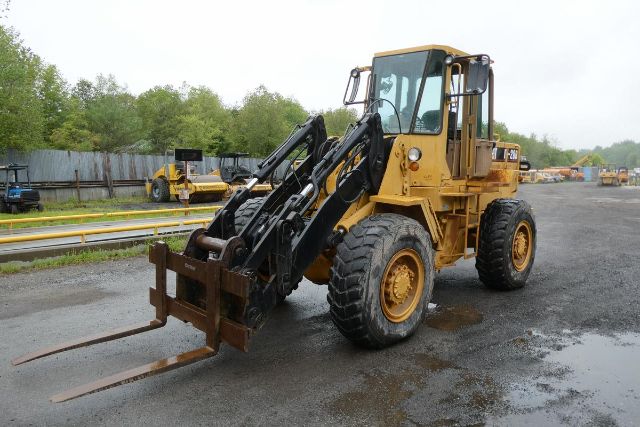
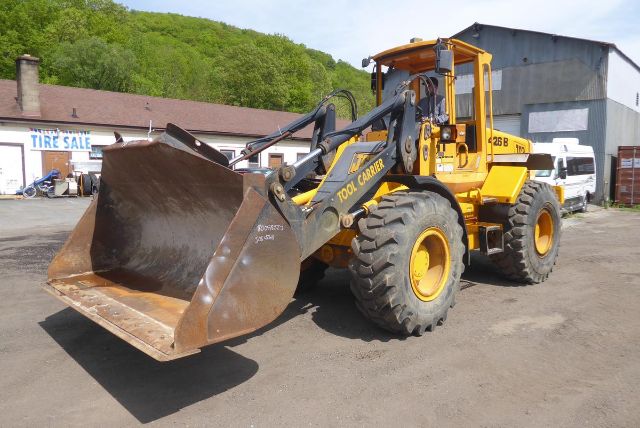
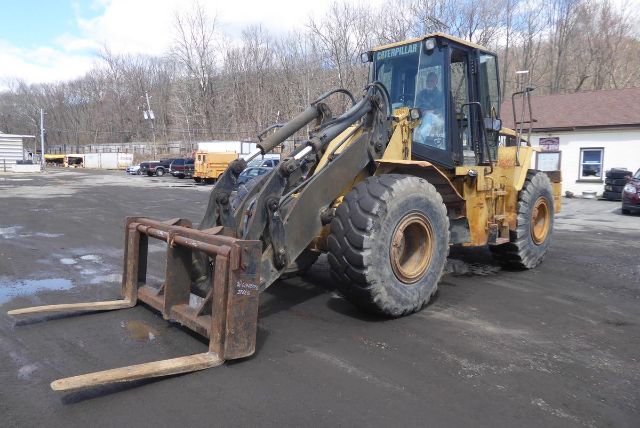
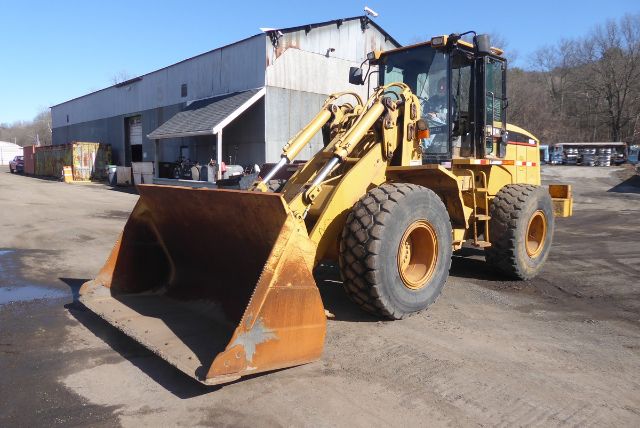
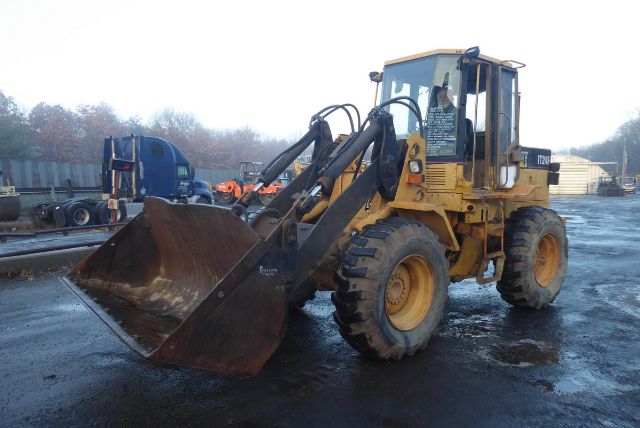
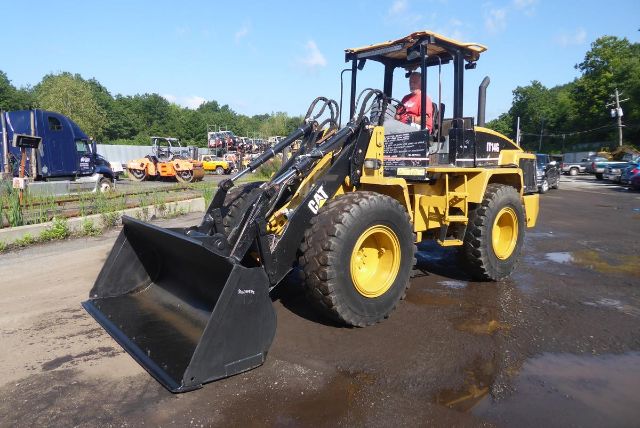
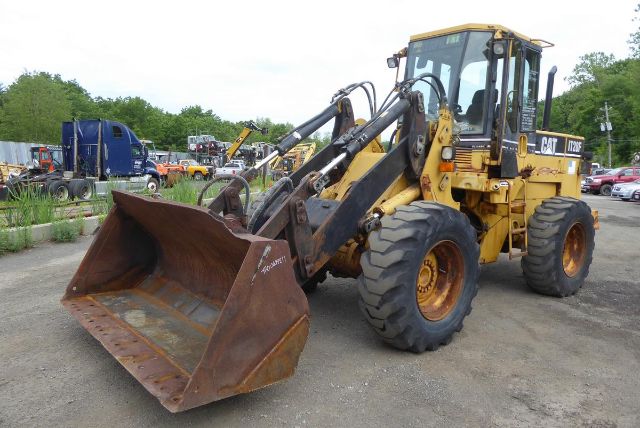
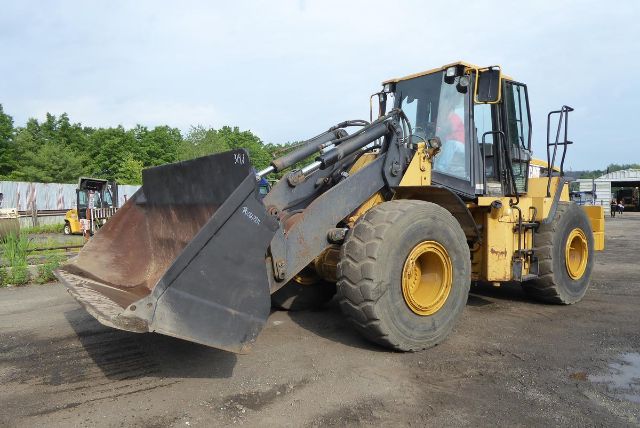
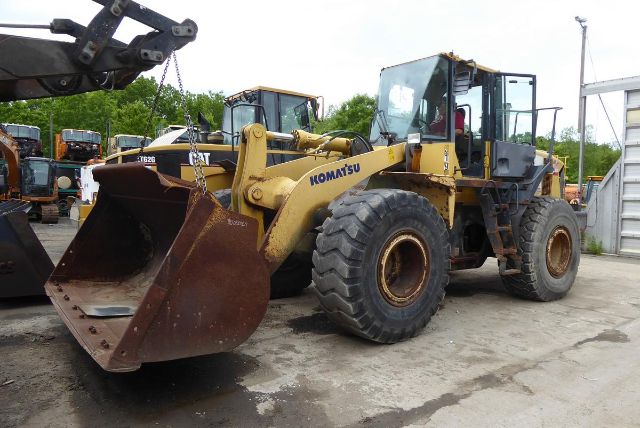
Showing 1 to 12 of 19 results
Have wheel loaders equipment to sell? List it here to reach thousands of buyers.
About Wheel Loaders Near Sparrow Bush, New York
In the used market, wheel loaders commonly range from mid-size machines in the 17,000 to 25,000 pound class up to heavier units over 40,000 pounds. Engines are typically diesel, often paired with 4-speed powershift or automatic transmissions, and common tire sizes include 15.5-25, 17.5R25, 20.5-25, and 23.5R25 depending on the loader class. Many buyers prefer an enclosed cab with heat and air for all-season operation in New York, but open-station units still have a place in seasonal or light-duty work. Ride control, third-function hydraulics, and hydraulic quick couplers add real value because they improve retention, operator comfort, and attachment flexibility.
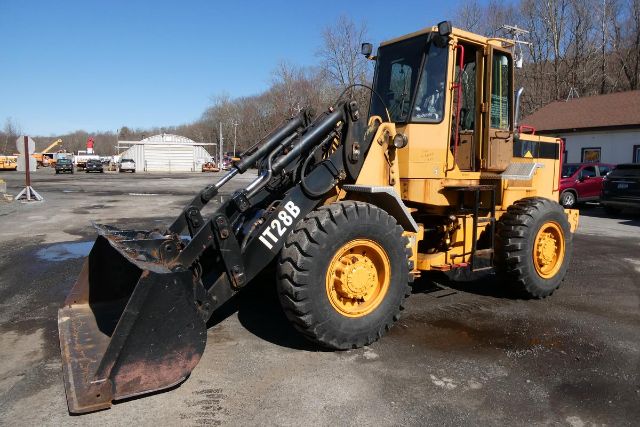
Attachment setup matters as much as raw horsepower. A general-purpose bucket works for gravel, dirt, and snow, while fork frames turn a wheel loader into a practical yard machine for pipe, block, lumber, and bundled material. Integrated toolcarrier models, often identified by prefixes like IT, are especially useful when the job calls for frequent attachment changes and more reach with forks. Check for coupler style, auxiliary hydraulics, bucket edge condition, pin and bushing wear, articulation joint play, brake performance, and transmission engagement before comparing hour meter readings alone. On older loaders, service history and evidence of regular greasing often tell you more than the meter.
For buyers in sparrow-bush, new-york, wheel loaders are often chosen for snow handling, aggregate loading, landscape supply yards, demolition support, and general property maintenance. Size should match haul trucks, trailers, stockpile height, and available turning space. A loader that is easy to transport, stable with a full bucket, and properly matched to your material density will usually outperform a larger machine that is awkward on your site. When evaluating this equipment class, focus on hydraulic response, cold-start behavior, tire condition, axle and center-pin wear, and the availability of parts and service support for the make you choose.
Frequently Asked Questions
What size wheel loader is best for most small to mid-size material handling jobs?
For many small to mid-size operations, a wheel loader in roughly the 20,000 to 30,000 pound range offers the best balance of power, reach, maneuverability, and transportability. This size class is commonly large enough for aggregate, snow, mulch, and pallet work but still manageable in tighter yards and smaller sites. The right choice depends on bucket size, material weight, lift height, and whether the machine will also run forks or specialty attachments.
What is the difference between a standard wheel loader and an integrated toolcarrier?
A standard wheel loader is primarily designed around bucket work and high breakout force, while an integrated toolcarrier is set up for attachment versatility and material handling with forks, buckets, and other tools. Toolcarrier configurations often provide better parallel lift and more useful reach for fork work, making them popular in yards that switch between bulk material and palletized loads. If attachment changes are frequent, a hydraulic quick coupler and auxiliary hydraulics are important features to prioritize.
What should I inspect first on a used wheel loader?
Start with articulation joint wear, boom and bucket pin play, hydraulic cylinder leaks, brake function, transmission shifting, axle condition, and tire wear. Then check the bucket edge, coupler condition, cooling system behavior, and signs of hard starting or excessive smoke under load. Hour meter readings are helpful, but maintenance records, overall tightness, and evidence of regular service usually provide a better picture of remaining value.
Are wheel loaders practical for snow removal and winter yard work in New York?
Yes, wheel loaders are widely used for snow removal because they offer strong traction, high pushing power, and quick loading performance for pile management and truck loading. In New York conditions, an enclosed cab with working heat, good tires, and dependable cold-start performance are especially important. Many operators also look for ride control and a bucket or snow attachment sized correctly for the machine so it can work efficiently without sacrificing visibility or stability.
How important is tire size and tire condition on a wheel loader?
Tire size affects ground clearance, stability, traction, and replacement cost, so it is a major buying factor. Common sizes like 17.5R25, 20.5-25, and 23.5R25 usually correspond to different machine classes, and the wrong tire condition can change the economics of the purchase quickly. Uneven wear, sidewall damage, mismatched tires, or deep cuts can indicate alignment, axle, or operating issues, so tire condition should be evaluated alongside rims, wheel hardware, and overall driveline performance.