
Caterpillar Wheel Loaders For Sale in New York
Browse Caterpillar wheel loaders for sale in New York. Compare loader sizes, bucket capacity, hydraulic options, cab setups, and jobsite use.
Learn more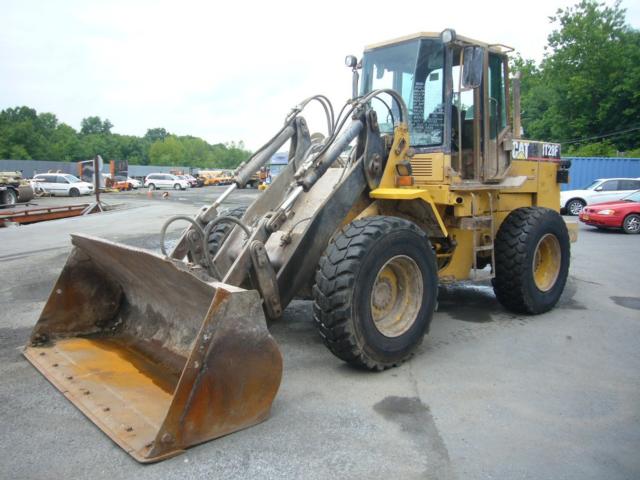
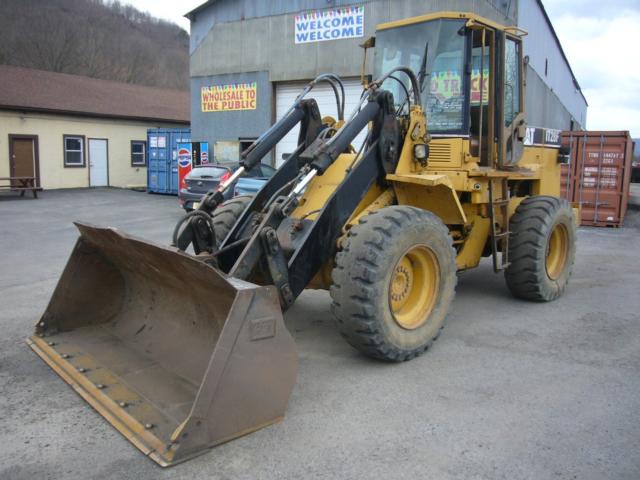
Showing 13 to 16 of 16 results
Have caterpillar wheel loaders equipment to sell? List it here to reach thousands of buyers.
About Caterpillar Wheel Loaders in New York
Specs can vary widely across Caterpillar wheel loaders, but common checkpoints include operating weight, engine horsepower, bucket width and cubic-yard rating, tire size, transmission type, and overall machine dimensions for transport. In this class, compact units may come in around 10,000 pounds, while older mid-size toolcarriers and loaders can push into the 17,000 to 24,000 pound range or more. Buyers in New York often pay close attention to width, height, and tire setup because those factors affect transport permits, seasonal work, and traction on mixed surfaces. Common tire formats include 17.5-25 on larger machines, while some smaller loaders may have solid press-on tires for industrial yard duty. Enclosed cabs with heat are especially valuable for snow removal and cold-weather operation, and ride control can make a noticeable difference when carrying loads across rough lots or traveling between loading points.
Hydraulic configuration is another major buying point. Many Caterpillar wheel loaders in this category are equipped with quick couplers, third valves, or extra hydraulic lines, which expands the machine beyond simple bucket loading. Forks, general purpose buckets, material buckets, snow pushers, and other attachments can make one machine useful across multiple crews or seasons. On older used units, pay close attention to pin and bushing wear, center articulation play, cylinder seepage, cutting edge condition, brake operation, and cab or ROPS condition. Hour meter readings help, but overall maintenance history, driveline response, loader arm tightness, and hydraulic performance usually tell more about how the machine will hold up in daily service.
Caterpillar has long had strong parts support and broad market familiarity, which helps when evaluating an older loader or toolcarrier for long-term ownership. Buyers often compare hydrostatic versus powershift or automatic transmissions based on their operators and job type. Hydrostatic setups can offer smooth low-speed control, while larger loaders with multi-speed transmissions may be better suited for repeated carry cycles and heavier production work. The best Caterpillar wheel loader for sale is usually the one sized correctly for the material, attachment package, and site conditions, not simply the biggest machine on the page. Matching bucket capacity, lift needs, transport weight, and hydraulic options to the actual job will usually produce better uptime and lower operating cost.
Frequently Asked Questions
What is the difference between a Caterpillar wheel loader and a Caterpillar IT toolcarrier?
A standard Caterpillar wheel loader is generally configured for bucket loading and earthmoving, while an IT model, short for integrated toolcarrier, is designed to handle a wider range of attachments more efficiently. IT machines commonly feature quick couplers, linkage suited for fork work, and auxiliary hydraulics for tools beyond a bucket. If the machine will spend a lot of time moving pallets, loading bundled material, or switching between forks and buckets, an IT model is often the better fit.
What should I inspect first on a used Caterpillar wheel loader?
Start with articulation and loader linkage wear, because center pins, boom pins, and bucket bushings can be expensive to correct and directly affect machine feel and productivity. Then inspect hydraulic cylinders for leaks or seepage, check transmission engagement in forward and reverse, verify brake performance, and look at bucket edge wear and tire condition. Cab condition, hour meter credibility, and cold-start behavior are also important, especially on older machines that may have seen hard seasonal service.
Which Caterpillar wheel loader size is best for snow removal or municipal work?
For snow removal, property maintenance, and municipal support, compact to mid-size Caterpillar wheel loaders are often the most practical choice because they balance visibility, maneuverability, and enough hydraulic and lift capacity for buckets, pushers, and forks. A smaller machine is easier to transport and work around parked vehicles or tighter streets, while an enclosed heated cab becomes a major advantage in winter conditions. The best size depends on lot size, attachment width, and whether the loader also needs to handle aggregate, salt, or palletized supplies.
Are hydrostatic Caterpillar wheel loaders better than automatic transmission models?
Neither is automatically better. Hydrostatic loaders are valued for smooth modulation, precise low-speed control, and ease of operation in tight areas. Automatic or powershift-equipped machines are often preferred for heavier loading cycles, longer carry distances, and production-oriented work where travel speed and pushing power matter more. The right choice depends on operator preference, attachment use, and whether the machine will spend more time in stockpile work, truck loading, or yard handling.
What attachments are commonly used on Caterpillar wheel loaders?
Common attachments include general purpose buckets, material handling buckets, pallet forks, snow pushers, grapple setups, and specialty tools that require a third valve or auxiliary hydraulic lines. Quick coupler-equipped Caterpillar loaders are especially useful for operations that need to switch tasks during the day without tying up multiple machines. When comparing listings, verify not only that the coupler is present, but also whether the machine has the hydraulic plumbing and control functions needed for the attachments you plan to run.