
Equipment For Sale Near Sparrow Bush, New York
Used trucking equipment for sale in Sparrow Bush, NY, including forklifts, excavators, cranes, and support equipment for fleet and yard operations.
Learn more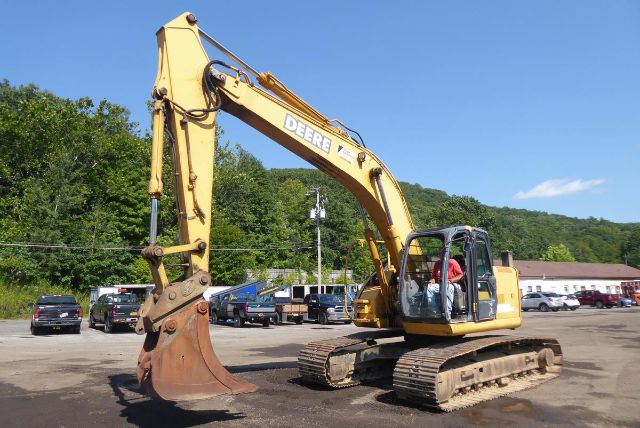
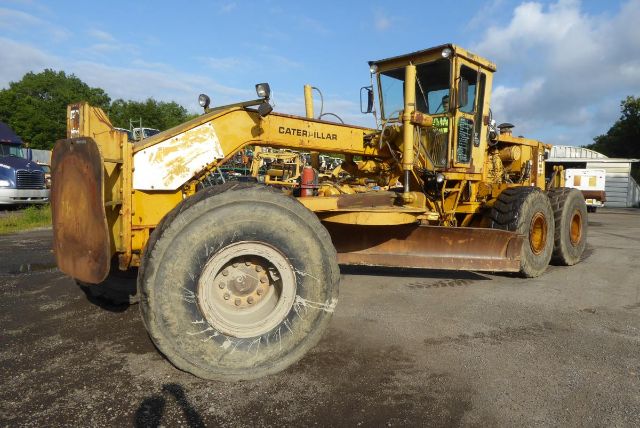
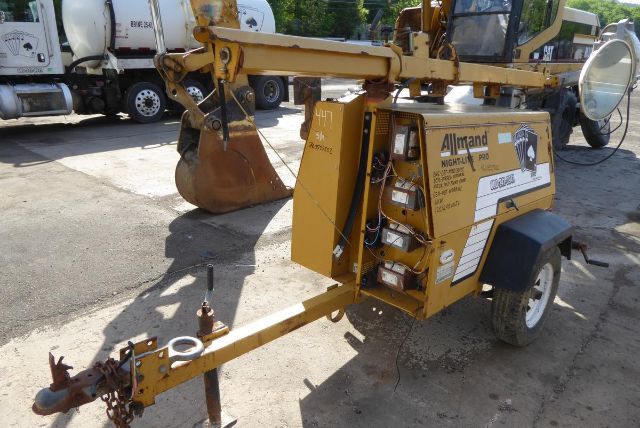
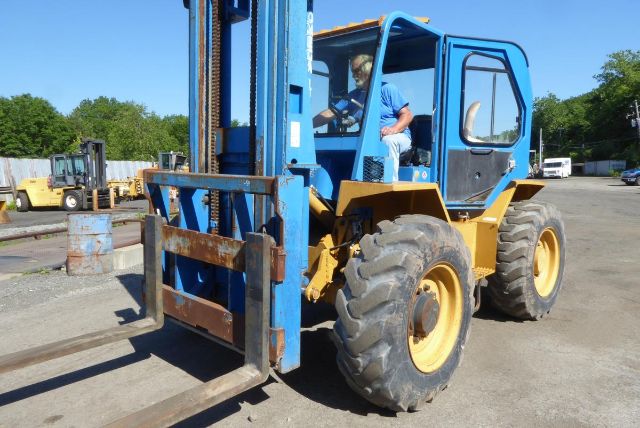
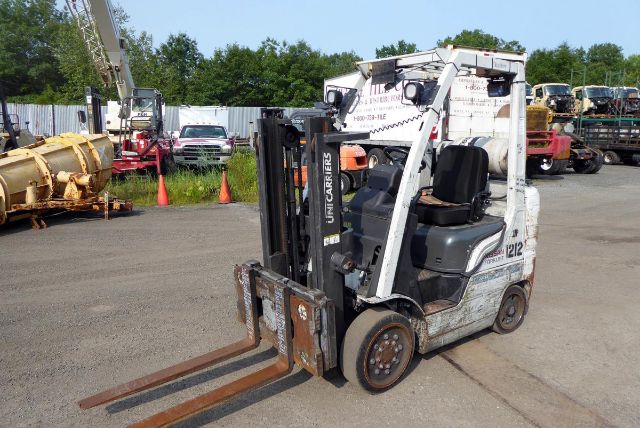
Showing 157 to 168 of 183 results
Have equipment to sell? List it here to reach thousands of buyers.
About Equipment Near Sparrow Bush, New York
For material-handling equipment, lift capacity, mast configuration, fork length, and tire type matter immediately. Smaller warehouse or yard forklifts in the 4,000 to 5,000 lb class are common for palletized freight, bundled materials, and shop use, while larger pneumatic or industrial forklifts can move into heavy-duty applications well above 30,000 lb. Propane units are common in indoor or mixed-use settings, while diesel models are more typical for outdoor heavy lifting. Buyers should also pay close attention to side shift, fork positioners, enclosed cab condition, loading height, and solid versus pneumatic tires. Those details affect productivity just as much as rated capacity.
On construction-support and infrastructure equipment, the critical specs shift. Excavators are typically evaluated by operating weight, boom and stick length, hydraulic auxiliary lines, track condition, tail swing, and bucket setup. Cranes are judged on boom length, maximum lifting capacity, steering configuration, cab visibility, and overall operating hours. For buyers moving equipment between locations, machine width, shipping length, and total weight can be just as important as working specs because they determine hauling requirements, permit needs, and trailer match. In colder Northeast markets like New York, cab heat, cold-start behavior, undercarriage wear, hydraulic leaks, and tire or track condition deserve extra scrutiny.
A good used trucking equipment purchase comes down to matching the machine to the job and verifying the condition of the expensive systems before you buy. Engine performance, transmission response, hydraulic cylinder dryness, mast or boom wear, pin and bushing play, and structural repairs all deserve a close look. Hour meter readings help, but maintenance history and present operating condition tell the real story. Buyers comparing trucking equipment for sale should focus on usable capacity, attachment compatibility, service access, and the cost of putting the machine straight to work after delivery.
Frequently Asked Questions
What types of equipment are usually included in a trucking equipment category?
A trucking equipment category often includes support machines used in freight, yard, warehouse, and jobsite operations rather than only over-the-road trucks. Common examples include forklifts, heavy-capacity lift trucks, cranes, excavators, yard support equipment, and other machines that load, unload, position, or move freight and materials. The exact mix varies, so buyers should sort listings by application first, then compare capacity, dimensions, fuel type, and operating condition.
What should I check first when buying used forklifts or lifting equipment?
Start with rated lift capacity, mast height, fork condition, and the type of tires the machine uses. After that, inspect hydraulic performance, check for leaking cylinders, test side shift or fork positioners if equipped, and confirm the transmission engages properly in forward and reverse. On propane units, verify the fuel system condition. On diesel units, pay attention to cold starts, exhaust smoke, and engine response under load. Structural issues around the mast, carriage, overhead guard, and steer axle should also be reviewed closely.
How do I know if a piece of trucking equipment is too large or heavy for my operation?
Compare the machine's operating weight, overall width, height, and transport length to your facility layout and hauling plan. A machine may have the right capacity but still be impractical if it exceeds dock clearances, aisle widths, yard surface limits, or trailer hauling limits. Heavier equipment can also trigger permit requirements and higher transport costs. Buyers should confirm door heights, turning radius needs, trailer capacity, and site access before choosing a larger unit.
Are hours the best way to judge used equipment condition?
Hours are useful, but they are not the best single indicator of condition. A lower-hour machine that sat unused or was poorly maintained can be a worse buy than a higher-hour machine with consistent service and clean operation. The better approach is to combine hour meter readings with visual inspection, maintenance records if available, and an operational check of the engine, hydraulics, transmission, controls, undercarriage or tires, and structural components. Actual job-ready condition matters more than the number on the meter alone.
What features add the most value on used trucking support equipment?
Value-adding features depend on the machine type, but the most sought-after upgrades are the ones that improve daily productivity and lower setup time. On forklifts, that usually means side shift, fork positioners, enclosed cabs, and higher-capacity masts. On excavators, auxiliary hydraulics, quick couplers, and tight-tail-swing designs are important. On cranes, steering flexibility, jib options, and clean boom operation matter. Buyers should prioritize features that directly match the work they perform instead of paying extra for options that will rarely be used.