
Lifts - Fork For Sale Near Sparrow Bush, New York
Shop used fork lifts and forklift trucking equipment for loading, warehouse, yard, and dock work with common 4,000 lb class capacities.
Learn more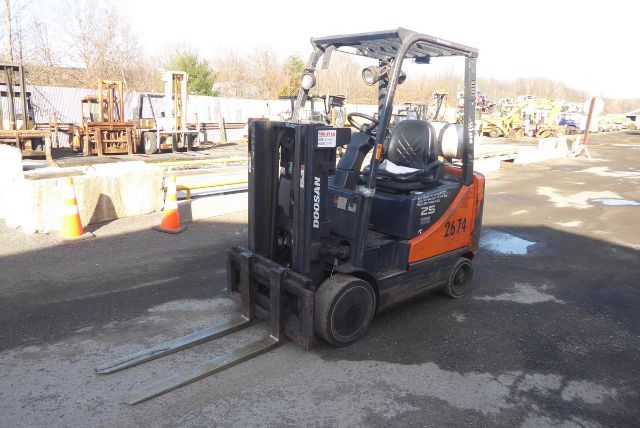
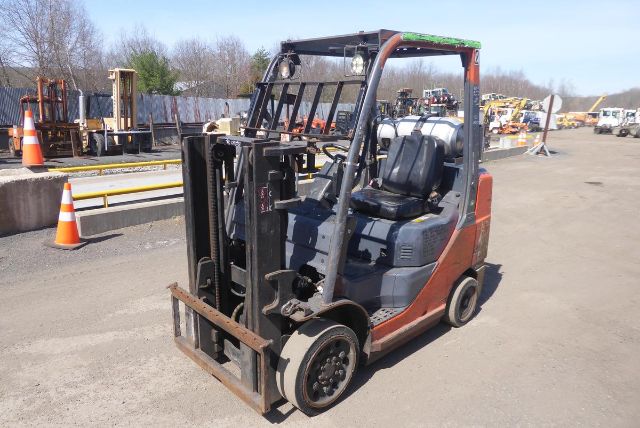
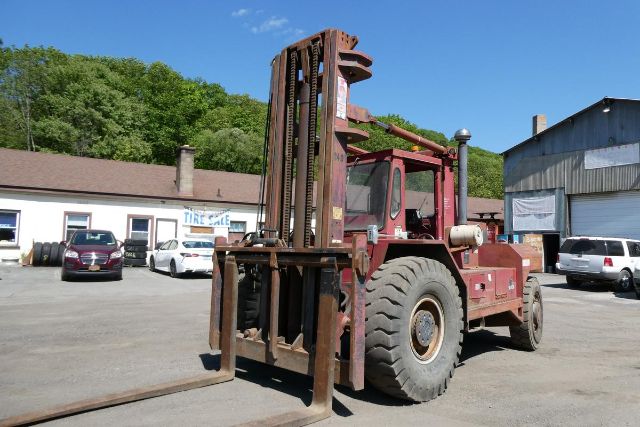
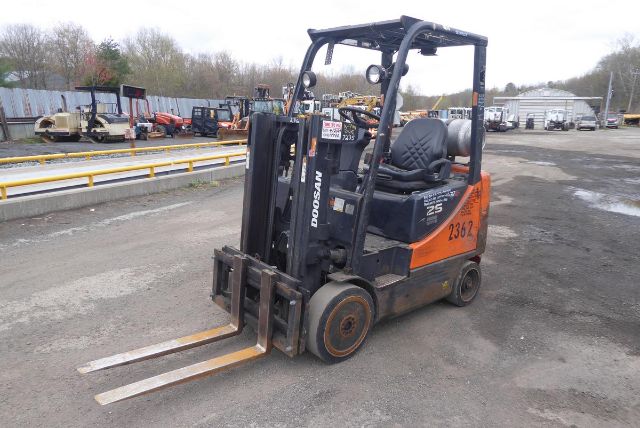
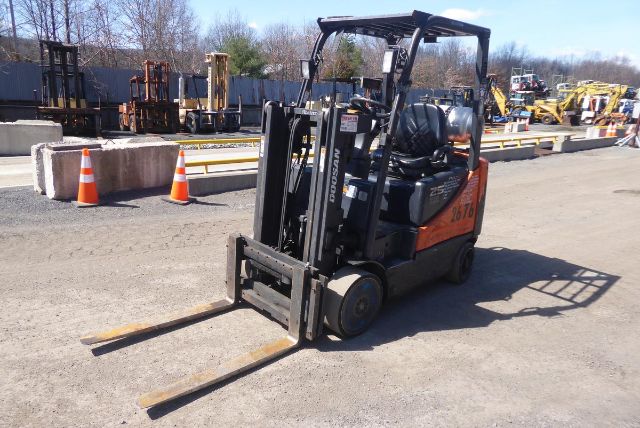
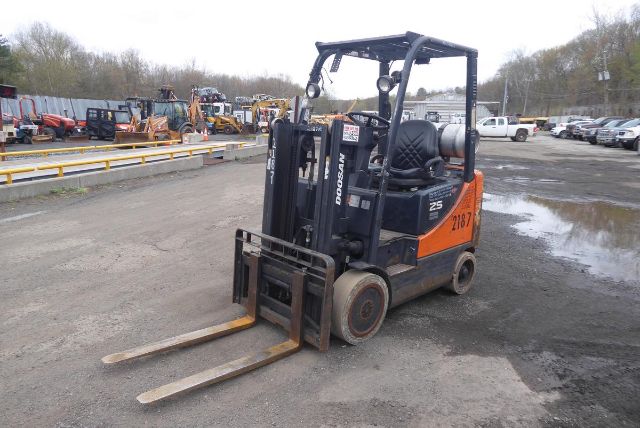
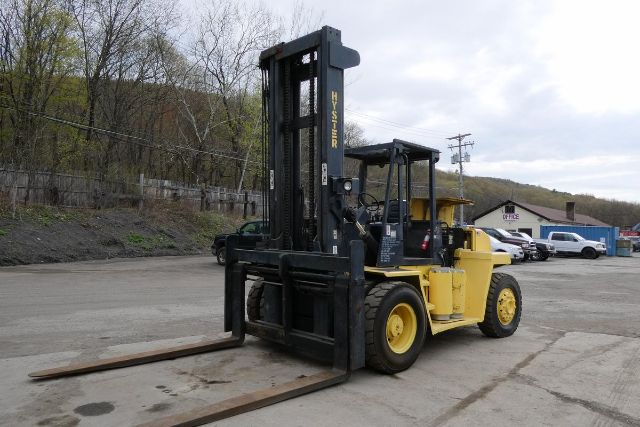
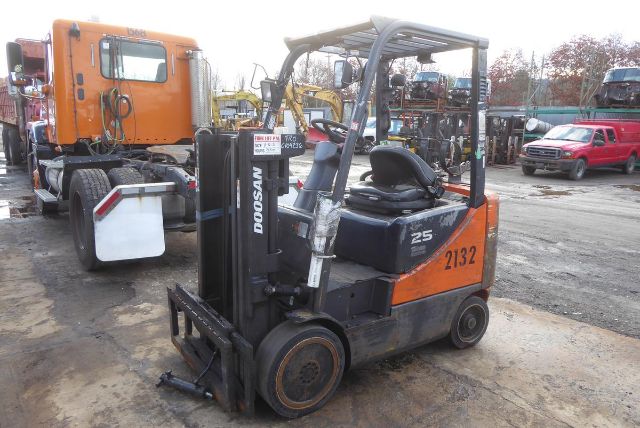
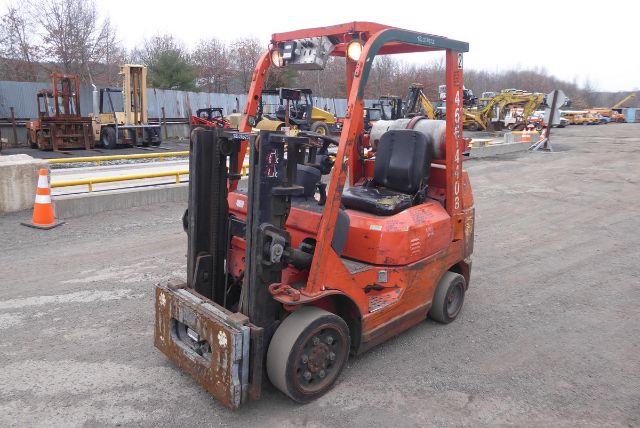
Showing 61 to 72 of 97 results
Have lifts - fork equipment to sell? List it here to reach thousands of buyers.
About Lifts - Fork Near Sparrow Bush, New York
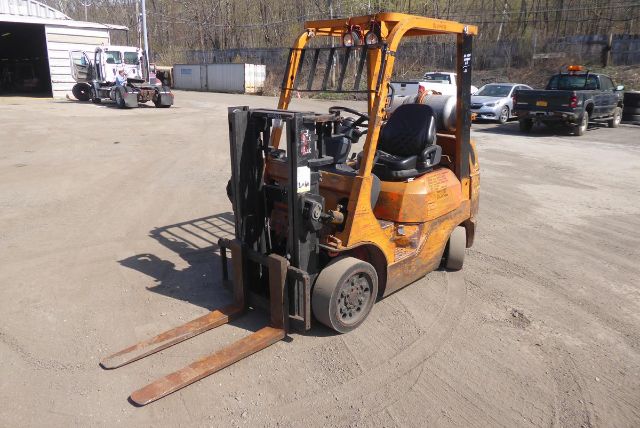
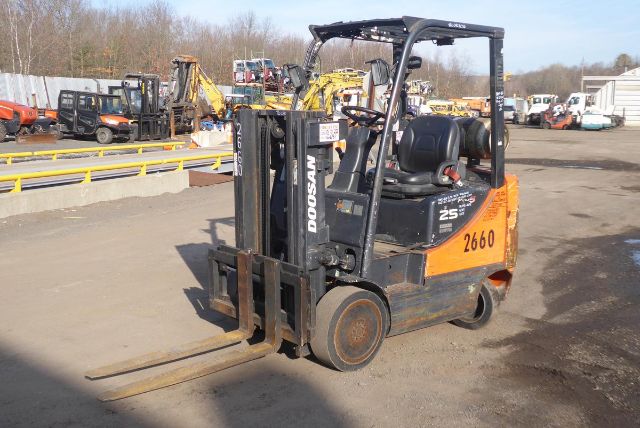
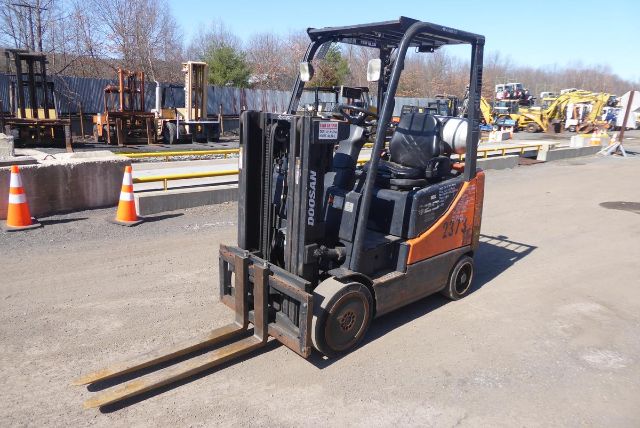
On many cushion-tire warehouse and dock forklifts, you will see propane-powered 4-cylinder engines, automatic directional transmissions, and two-stage or dual masts with loading heights around 80 inches. Overall width is often in the mid-3-foot range, and operating weight commonly falls around 7,500 to 8,100 pounds. Side shift is a valuable option because it speeds up pallet placement and reduces repositioning, especially in trailer loading. Mast tilt, fork length, carriage condition, chain wear, cylinder leakage, and steer axle response all matter on a used fork truck because those items directly affect productivity and safety.
Application should drive the buying decision. Cushion-tire fork lifts are typically best on smooth concrete in warehouses, terminals, and indoor shipping areas. If the machine will spend time on broken pavement, gravel, lumber yards, or uneven outdoor surfaces, a pneumatic-tire forklift is usually the better fit. Buyers in New York often pay close attention to cold-start behavior, hydraulic performance in lower temperatures, and parts support for common brands such as Toyota, Doosan, Komatsu, and similar fleet units. If the lift is propane, confirm whether the tank bracket, hoses, regulator, and fuel system components are complete and serviceable, since tanks are often not included with used machines.
A good used fork truck should be evaluated beyond the hour meter alone. Hour readings can be helpful, but maintenance history, transmission engagement, mast operation under load, brake function, parking brake hold, and tire wear usually tell a more accurate story. Check fork thickness, heel wear, mast rollers, lift chains, warning lights, and any signs of frame or overhead guard damage. For buyers comparing multiple forklifts for sale, the best value is usually the machine with the right capacity and mast configuration for the job, plus solid hydraulic and drivetrain condition, not simply the newest model year.
Frequently Asked Questions
What capacity fork lift is most common for general freight and warehouse work?
The 4,000 lb class is one of the most common sizes for general warehouse, dock, and truck loading work. It is large enough for standard palletized freight and many crated loads, but still compact enough to maneuver in tighter working areas. Buyers should still match capacity to the actual load center, attachment weight, and maximum lift height, because a forklift's effective lifting ability changes when those factors change.
What is the difference between cushion-tire and pneumatic-tire forklifts?
Cushion-tire forklifts are designed mainly for smooth indoor surfaces such as warehouse floors, docks, and paved terminals. They typically have a tighter turning radius and a lower overall profile, which makes them popular for trailer loading and indoor material handling. Pneumatic-tire forklifts are better suited for outdoor use, rougher pavement, and uneven ground where extra traction and ground clearance are needed.
What should I inspect on a used propane forklift before buying?
Key inspection points include cold start quality, engine idle, transmission engagement in forward and reverse, mast lift speed, tilt function, side shift operation if equipped, brake response, and steer axle play. Look closely for leaking lift or tilt cylinders, worn chains, fork heel wear, damaged carriage components, and uneven tire wear. On propane units, confirm the fuel system is complete and in good condition, including the regulator, lines, mounting hardware, and related components, since the tank itself is often not included.
How important is mast height on a fork truck?
Mast height is critical because it affects both where the forklift can enter and how high it can safely place loads. The lowered mast height must clear doorways, trailer openings, and overhead obstructions, while the maximum lift height must match your racking, dock, or stacking requirements. Many buyers focus on capacity first, but mast configuration often determines whether the machine will actually fit the work area.
Are hour meter readings enough to judge a used forklift?
No. Hour meters are useful, but they should not be the only factor in evaluating a used forklift. Service history, hydraulic condition, drivetrain performance, mast wear, tire condition, and evidence of proper maintenance often matter more than the displayed hours alone. A higher-hour fleet forklift that has been serviced correctly can be a better purchase than a lower-hour unit with transmission, hydraulic, or structural issues.