
Excavators For Sale Near Sparrow Bush, New York
Shop excavators for sale with key info on operating weight, undercarriage, boom setup, hydraulics, transport size, and attachment options.
Learn more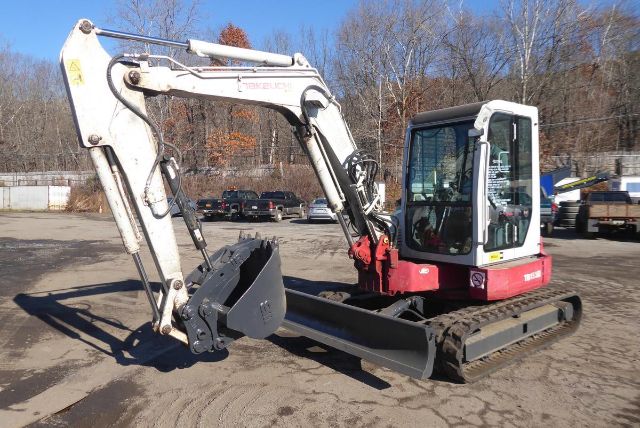
Have excavators equipment to sell? List it here to reach thousands of buyers.
About Excavators Near Sparrow Bush, New York
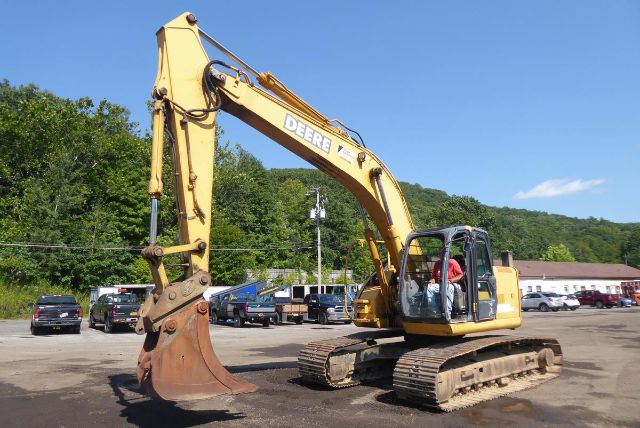
Crawler excavators are the most common configuration and are favored for stability, breakout force, and performance in soft ground. Key specs to review include engine horsepower, operating hours, track shoe width, ground tread, roller count, and remaining life in the undercarriage. On used excavators, undercarriage wear can significantly change ownership cost, so buyers should look closely at rails, pads, rollers, sprockets, and idlers along with final drives and travel performance. Pin and bushing wear, house bearing play, cylinder seepage, and hydraulic responsiveness are also important because they directly affect precision, attachment performance, and repair expense.
Boom configuration and hydraulic setup should match the work. Standard boom and stick combinations handle general excavation and loading, while longer arms can improve reach for ditch cleaning, slope work, and utility trenches. Many buyers also look for a hydraulic thumb, quick coupler, auxiliary hydraulics, and additional valves for hammers, compactors, grapples, or specialty buckets. Bucket condition matters more than it appears on paper. Tooth wear, side cutter condition, and bucket floor integrity all affect productivity. Enclosed cabs, working heat and air conditioning, joystick controls, and clear sightlines also matter if the machine will spend long days on municipal, excavation, or contractor jobs.
Truck-mounted excavators are a distinct part of this category and appeal to contractors who need to move quickly between jobs without a separate trailer. These machines combine road mobility with excavating capability and are often used in roadside maintenance, ditching, and utility support work. Buyers comparing truck-mounted units should pay attention to engine and transmission specs, axle ratings, wheelbase, hydraulic stabilizers, frame condition, and how the excavator hydraulics are powered. Across the category, service records, cold-start behavior, hydraulic leaks, swing performance, and attachment compatibility usually tell more about real value than paint or model year alone.
Frequently Asked Questions
What should I check first when buying a used excavator?
Start with the undercarriage, hydraulics, and structural wear points. Undercarriage condition on a crawler excavator can represent a major repair cost, so inspect rails, pads, rollers, idlers, and sprockets. Then check all boom, stick, and bucket cylinders for leaks, test swing and travel functions, and inspect pins, bushings, and the house bearing for looseness or excessive play. A machine with average cosmetics but solid hydraulics and a healthy undercarriage is usually a better buy than one that looks clean but has hidden wear.
How do I choose the right excavator size?
Match the machine to trench depth, lift requirements, transport limits, and jobsite space. Mid-size excavators are often a practical fit for utility work, site preparation, and general contracting because they balance reach, power, and transportability. Heavier machines offer better breakout force and stability for production digging, but they can create permit, hauling, and access issues. If the work includes tight urban sites, roadside work, or frequent repositioning, a smaller tail swing machine or truck-mounted excavator may be the better fit.
Are truck-mounted excavators different from crawler excavators in real-world use?
Yes. Truck-mounted excavators trade some off-road capability for fast road travel and easier movement between jobs. They are well suited for roadside maintenance, municipal work, drainage, and contractors covering multiple locations in a day. Crawler excavators are generally better in soft ground, rough terrain, and heavy excavation because tracks provide more stability and lower ground pressure. The right choice depends on whether mobility or digging performance is the higher priority.
What hydraulic options matter most on an excavator?
Auxiliary hydraulics, a hydraulic thumb, quick coupler compatibility, and extra control valves are some of the most useful options. These features expand the machine beyond digging and allow it to run hammers, grapples, compactors, and specialty attachments. For buyers planning demolition, pipe handling, land clearing, or material sorting, hydraulic configuration can be just as important as engine horsepower. It is worth confirming actual valve setup and flow capacity rather than assuming every machine is attachment-ready.
How important are hours on a used excavator?
Hours matter, but they do not tell the whole story. A higher-hour excavator with documented maintenance, tight pins, dry cylinders, and a strong undercarriage can be a better value than a lower-hour machine with neglected service and hydraulic issues. Look at the complete condition picture: starting behavior, engine smoke, travel strength, swing smoothness, structural cracks or weld repairs, and wear in the bucket and linkage. Hours should be considered alongside maintenance history and inspection results, not as the only measure of remaining life.