
Caterpillar Equipment For Sale Near Sparrow Bush, New York
Browse Caterpillar trucking equipment for sale, including loaders and skid steers known for durable diesel power, hydraulic performance, and jobsite versatility.
Learn more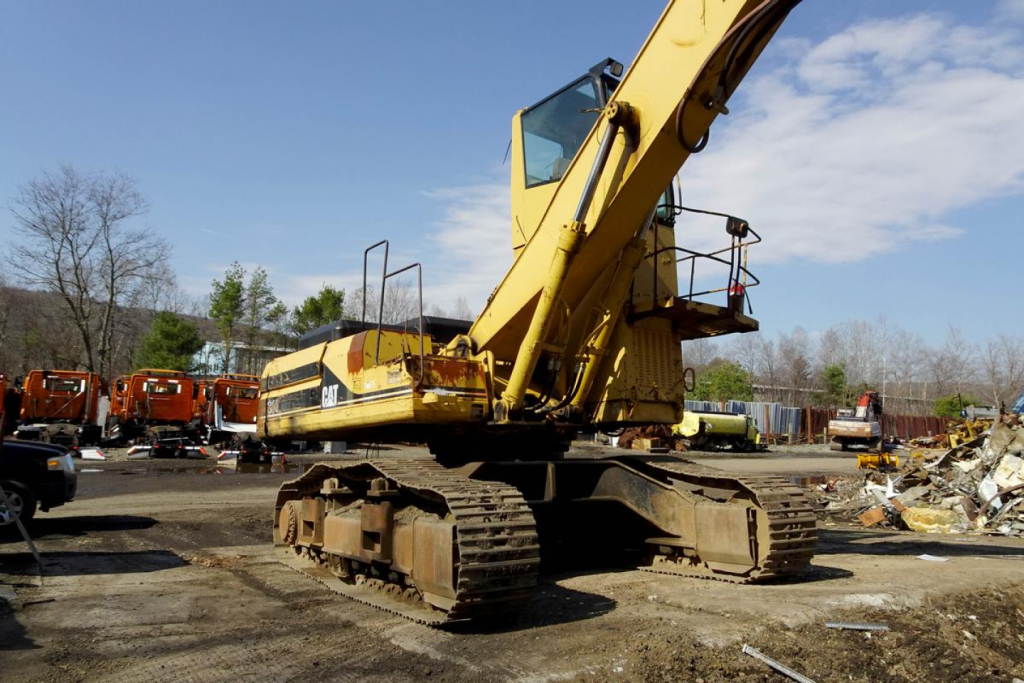
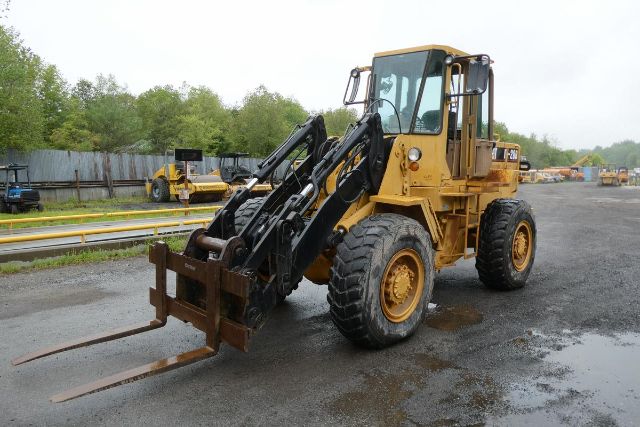
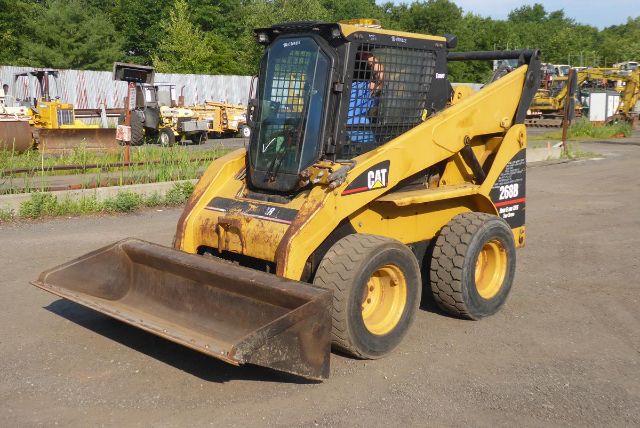
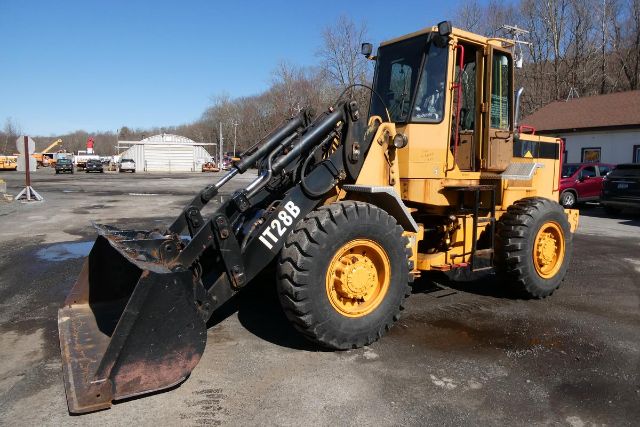
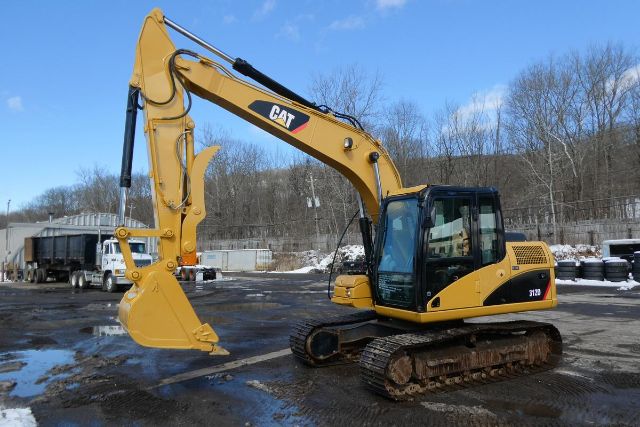
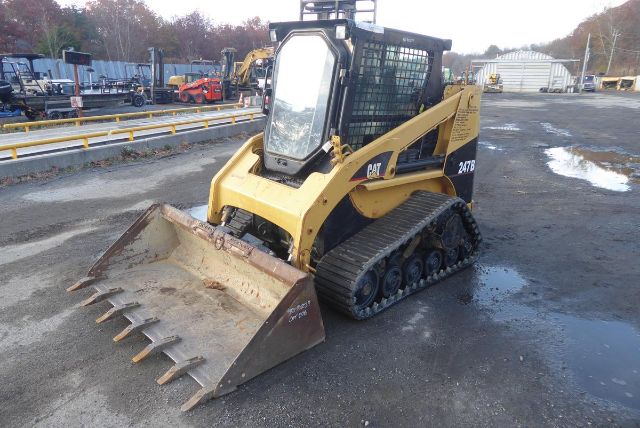
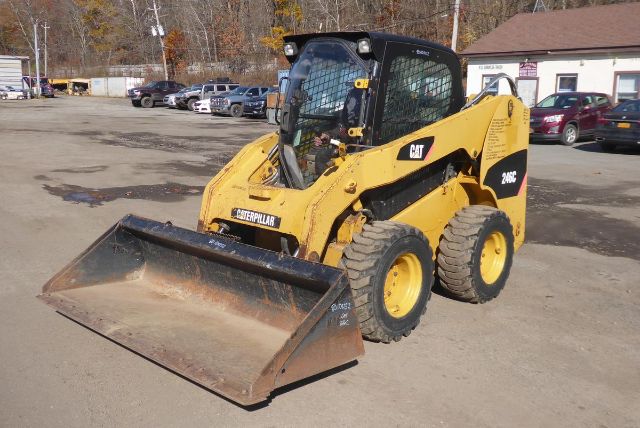
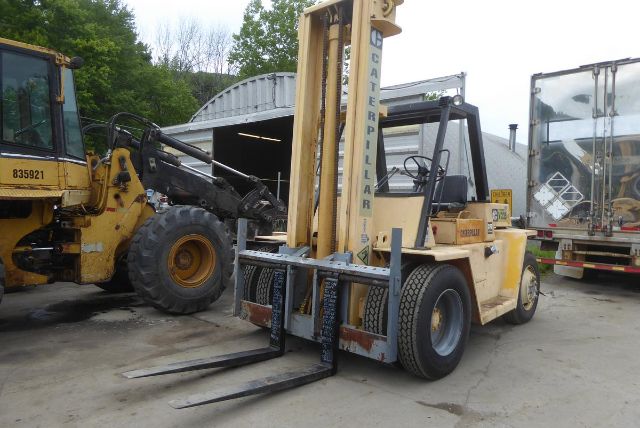
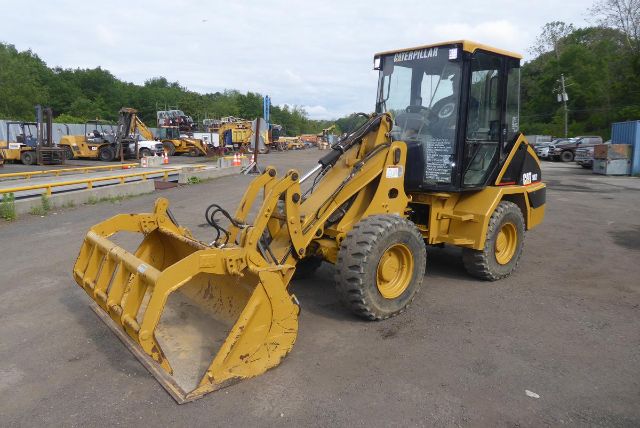
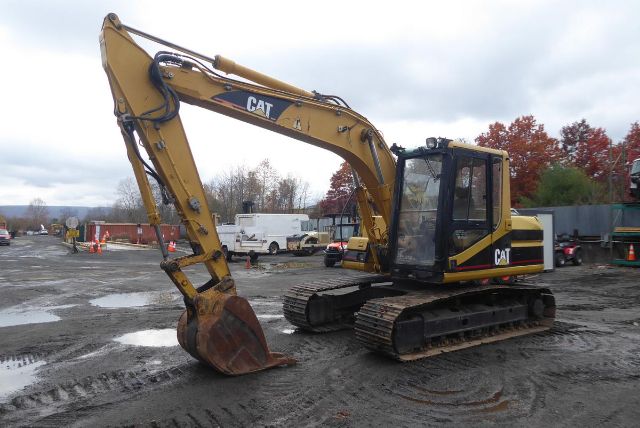
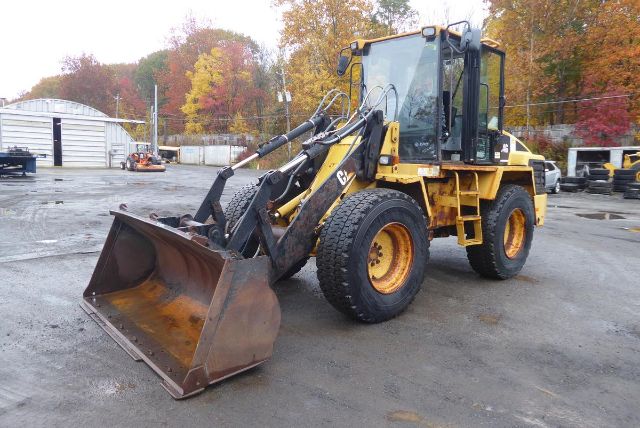
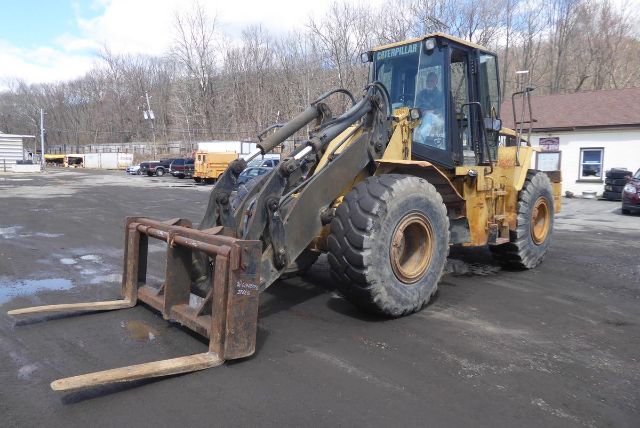
Showing 1 to 12 of 28 results
Have caterpillar equipment to sell? List it here to reach thousands of buyers.
About Caterpillar Equipment Near Sparrow Bush, New York
A buyer comparing used Cat equipment should start with the application, because the right machine size changes everything from transport requirements to fuel burn and attachment capability. Smaller machines such as compact loaders and skid steers are easier to move, work well in tighter yards, and are commonly equipped with hydrostatic drive, auxiliary hydraulics, quick couplers, and enclosed cabs. Larger wheel loaders and toolcarriers bring more operating weight, higher lift capacity, larger bucket volume, and better production for aggregate, palletized material, snow, mulch, feed, and scrap handling. Engine families vary by model year, but many Caterpillar units are powered by mechanical or early electronic diesel platforms that buyers still seek for their familiarity in the field.
Condition matters more than model year on this equipment class. On a used Caterpillar loader or skid steer, pay close attention to cold-start behavior, blow-by, transmission engagement, articulation joint wear, center pin play, lift arm and bucket pin wear, steering response, brake performance, and seepage at boom, steer, and attachment cylinders. Hydraulic quick disconnect systems, third-function or auxiliary hydraulics, cab heat and air conditioning, and attachment compatibility can add real value depending on the intended use. Tire size, tread condition, and matching rubber also affect operating cost, especially on wheel loaders that spend time on mixed surfaces such as gravel, pavement, and yard pack.
For buyers in New York and the Northeast, winter performance, cab sealing, and heater function are practical considerations, especially for snow handling and cold-weather starts. Transport dimensions should also be checked before purchase, since machine width, operating weight, and bucket or fork setup can affect trailer choice and permitting. A good Caterpillar machine in this category should match the workload first, then be evaluated on hours, service records, structural condition, and the availability of the exact attachments needed for the job.
Frequently Asked Questions
What types of Caterpillar trucking equipment are most common on the used market?
Common used Caterpillar equipment in this category includes wheel loaders, integrated toolcarriers, and skid steer loaders. Wheel loaders are typically chosen for bulk material loading, stockpile work, snow removal, and yard support. Integrated toolcarriers are valued for quick attachment changes and fork work, while skid steers are favored for tighter spaces, lighter loading, and attachment-driven tasks such as sweeping, grading, or light demolition.
What should I inspect first on a used Caterpillar loader or skid steer?
Start with the powertrain and hydraulics. Check how the engine starts cold, look for excessive smoke or blow-by, confirm smooth transmission or hydrostatic operation, and inspect all cylinders, hoses, and couplers for leaks or seepage. After that, check pin and bushing wear, articulation joint condition on loaders, tire wear, brake response, steering performance, and signs of structural repair around the boom, frame, and attachment mounts. A machine that runs well but has heavy wear in these areas can become expensive quickly.
Are older Caterpillar machines still a good buy?
Older Caterpillar machines can be a strong value if they have been maintained correctly and match the intended workload. Many buyers like older Cat units because they use durable mechanical diesel engines and relatively straightforward systems compared with newer emissions-equipped equipment. The tradeoff is that hours, hydraulic wear, cab condition, and parts needed for cosmetic or secondary systems can vary widely, so maintenance records and a thorough inspection matter more than age alone.
How do I choose between a Caterpillar wheel loader and a Caterpillar skid steer?
The choice usually comes down to production needs, space, and attachment use. A wheel loader is better for moving larger volumes of aggregate, snow, feed, or other bulk material, and it generally offers more lift capacity and faster cycle times in open areas. A skid steer is better when space is limited, transport needs to be simpler, or the machine will run multiple hydraulic attachments. Buyers should compare lift requirements, bucket size, operating weight, transport setup, and daily duty cycle before deciding.
Which options add the most value on used Caterpillar equipment?
Quick couplers, auxiliary or third-function hydraulics, enclosed cabs, heat, working air conditioning, ride control, and fork or bucket package versatility usually add the most practical value. On machines used in cold climates, a strong heater and reliable glow plug or starting system are especially important. Attachment compatibility is also a major factor because a machine that can move easily between bucket, forks, grapple, or snow equipment can support more jobs with less downtime.