
2013 Equipment For Sale Near Sparrow Bush, New York
Browse 2013 trucking equipment in Sparrow Bush, New York. Compare common specs, applications, condition factors, and buying points by equipment type.
Learn more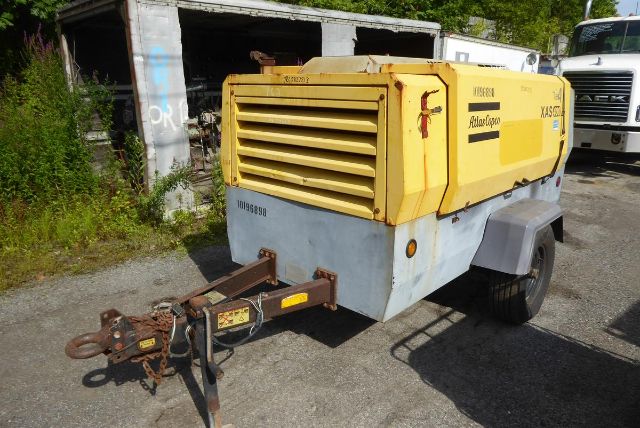
Showing 13 to 13 of 13 results
Have 2013 equipment to sell? List it here to reach thousands of buyers.
About 2013 Equipment Near Sparrow Bush, New York
For material-handling equipment commonly found in trucking operations, the core specs are lift capacity, mast configuration, fuel type, operating weight, overall height, and turning radius. On forklifts, many buyers focus on 4,000 to 5,000 lb capacity classes, propane power, solid pneumatic or cushion tires, and dual mast or side-shift setups because those specs fit dock work, trailer loading, pallet handling, and yard duty. On heavier support equipment, hydraulic response, undercarriage or tire wear, attachment compatibility, and transport dimensions matter just as much as engine horsepower. If a machine will work indoors, measure lowered mast height, overall width, and ventilation needs before buying. If it will work outdoors in mixed surfaces, ground clearance, tire type, and cold-weather reliability move higher on the list.
Condition is usually more important than age alone on 2013 trucking equipment. Hour meter readings help, but buyers should also look for mast and carriage wear, boom or pin play, hydraulic leaks, steering response, brake function, transmission engagement, and signs of deferred maintenance. Service records, fluid sample history, warning lights, starter performance, and charging system output can tell you more about remaining life than the calendar. On propane-powered units, inspect the fuel system, regulator, hoses, and cold-start behavior. On diesel-powered equipment, check regen history, emissions components, and idle quality. Tires, forks, chains, rollers, bushings, and cylinders are all high-value inspection points because replacement cost adds up fast.
A 2013 machine can still make sense for fleets that need dependable support equipment without paying late-model pricing, especially if the unit’s specs fit the lane, facility, or yard environment. Buyers should compare shipping dimensions, lift or breakout performance, attachment options, and operator comfort along with the basic make and model. In a trucking operation, downtime matters more than cosmetic appearance, so priority should go to mechanical soundness, parts support, and local serviceability. When comparing listings, look past paint and focus on application fit, verified maintenance, and the components that directly affect daily uptime.
Frequently Asked Questions
What should I check first when buying 2013 trucking equipment?
Start with the machine’s actual job requirements, then verify that the unit’s capacity, dimensions, fuel type, and operating condition match that work. After that, inspect hours, service records, hydraulic performance, drivetrain operation, steering, brakes, tires or undercarriage, and any visible leaks or structural wear. A 2013 unit can still be a strong value if the maintenance history is solid and the wear points have not been neglected.
Is 2013 trucking equipment too old for fleet use?
Not necessarily. Age matters less than condition, parts availability, and how hard the equipment has been used. Many 2013 machines remain productive in fleet, dock, yard, and warehouse service when they have been maintained properly. Buyers should focus on mechanical integrity, repair history, and support for replacement parts instead of ruling out a unit by model year alone.
What specs matter most on used forklifts and yard support equipment?
The most important specs usually include rated lift capacity, mast height, lowered overall height, fork length, fuel type, tire type, machine weight, and turning radius. Those numbers determine whether the unit can work inside a warehouse, enter a trailer cleanly, handle pallet weight safely, and operate on the surface conditions at the site. Attachment compatibility and hydraulic side shift can also make a big difference in day-to-day efficiency.
What should buyers in New York pay attention to on used equipment?
In New York, winter use and road treatment chemicals make corrosion and weather-related wear more important. Buyers should inspect frames, masts, battery connections, wiring, hydraulic seals, hoses, brake components, and wheel areas for rust or deterioration. Cold-start behavior is also important, especially on propane and diesel units that may have spent years working outdoors or in unheated storage.
How important are hours on 2013 trucking equipment?
Hours are useful, but they should not be treated as the only measure of value. A lower-hour machine with poor maintenance can be a worse buy than a higher-hour unit with complete service records and recent repairs. Hours should be evaluated alongside condition of chains, forks, pins, bushings, cylinders, tires, engine performance, transmission response, and the overall quality of previous ownership.