
2004 Equipment For Sale Near Sparrow Bush, New York
Browse 2004 trucking equipment for sale, including trailers, trucks, bodies, and support gear with specs, applications, and buying considerations.
Learn more
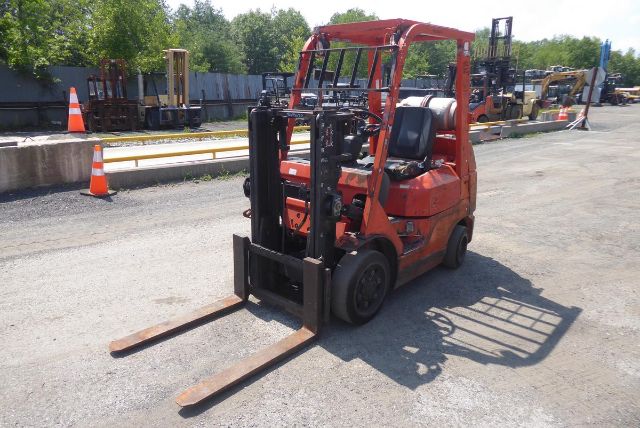
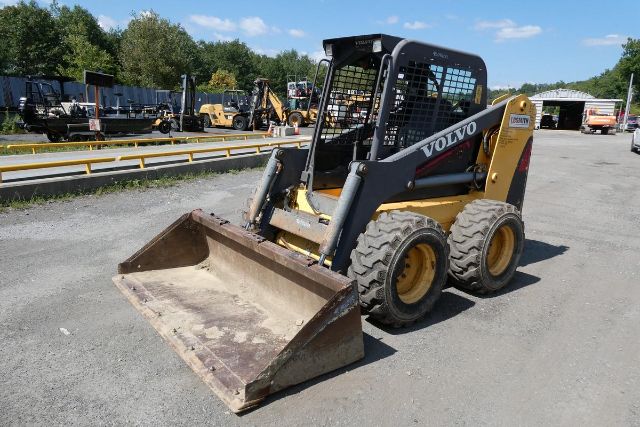
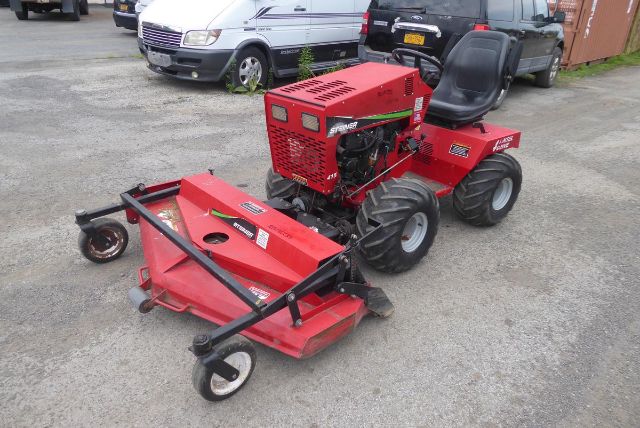
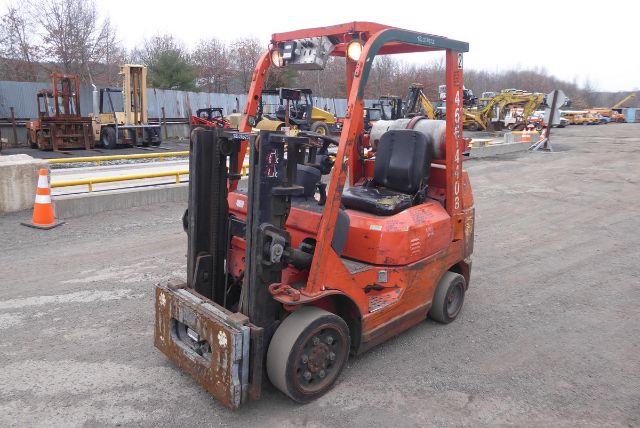
Have 2004 equipment to sell? List it here to reach thousands of buyers.
About 2004 Equipment Near Sparrow Bush, New York
When comparing 2004 equipment, start with the hard-wear components first. On trailers, that means crossmembers, main rails, suspension type, axle rating, brake setup, floor condition, landing gear, kingpin area, and signs of prior welding or corrosion. On truck-mounted equipment or vocational units, pay close attention to PTO operation, hydraulic leaks, hoist performance, body mounts, subframe condition, and any electrical issues tied to lights, controls, or auxiliary systems. In northern markets like New York, rust is a major factor, especially on frames, spring hangers, air tank mounts, wiring connections, and steel bodies exposed to road salt.
Spec matching matters more than the model year. A 2004 unit can still fit a modern operation if the dimensions, weight ratings, and hookup requirements line up with the rest of the fleet. Buyers should verify GVWR or GAWR, overall length, deck or body length, suspension configuration, tire size, wheel bolt pattern, coupler or kingpin setup, and brake compatibility. If the equipment includes liftgates, refrigeration components, winches, tool circuits, or hydraulic accessories, confirm serviceability and replacement part availability before purchase. Older equipment can be a strong fit for seasonal use, backup capacity, low-mile regional routes, and specialty applications where simple mechanical systems are preferred over newer emissions-era complexity.
A good 2004 trucking equipment purchase is usually one with straightforward construction, visible maintenance history, and no unresolved structural problems. Surface wear is expected. What matters is whether the unit tracks straight, operates safely, and has enough remaining life in the running gear and work systems to justify the price. Buyers looking at this year should think in terms of total put-in-service cost, including tires, brakes, hoses, lights, bushings, suspension work, and any fabrication needed to meet current job requirements.
Frequently Asked Questions
Is 2004 trucking equipment too old for commercial use?
Not necessarily. 2004 trucking equipment can still be a practical commercial purchase if the structure is sound, the running gear is serviceable, and replacement parts are still available. Age matters less than condition, prior application, maintenance quality, and whether the equipment meets your current operating needs and safety standards.
What should I inspect first on used 2004 trailers or truck equipment?
Start with the frame, suspension, brakes, tires, floor or deck, and all rust-prone mounting points. If the equipment has hydraulic or auxiliary systems, check cylinders, hoses, pumps, controls, wiring, and PTO-driven components. Structural repairs, corrosion around load-bearing sections, and neglected brake or suspension work usually cost more than cosmetic issues.
Why do buyers still consider 2004 equipment?
The main reason is value. Equipment from this year often has a much lower acquisition cost than newer units, which can make sense for backup use, seasonal work, farm operations, local hauling, or specialized jobs where simple mechanical design is preferred. Many buyers also like older equipment because troubleshooting and repairs can be more straightforward.
Does location matter when buying 2004 trucking equipment?
Yes. Regional climate has a major effect on older equipment. Units that spent years in snow and road salt conditions often show more corrosion on frames, wiring, air systems, and structural steel. Buyers in the Northeast should pay especially close attention to rust scale, patched metal, seized components, and signs of repeated underbody repairs.
How do I know if a 2004 unit is priced fairly?
A fair price depends on usable condition, not just the year. Compare the asking price against expected reconditioning costs such as tires, brakes, suspension parts, hydraulic repairs, lighting, floor work, and structural welding. The best value is usually the unit with the lowest total cost to put safely into service, not simply the lowest purchase price.