
1996 Equipment For Sale Near Sparrow Bush, New York
Browse 1996 trucking equipment listings in Sparrow Bush, New York. Compare specs, applications, condition, and features across used equipment types.
Learn more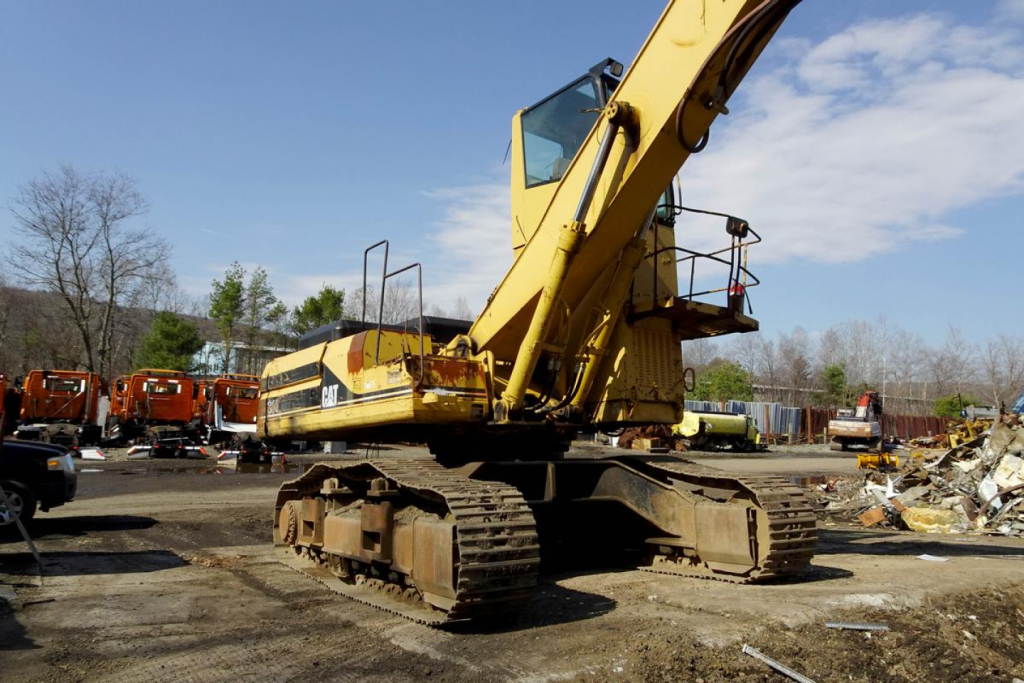
Have 1996 equipment to sell? List it here to reach thousands of buyers.
About 1996 Equipment Near Sparrow Bush, New York
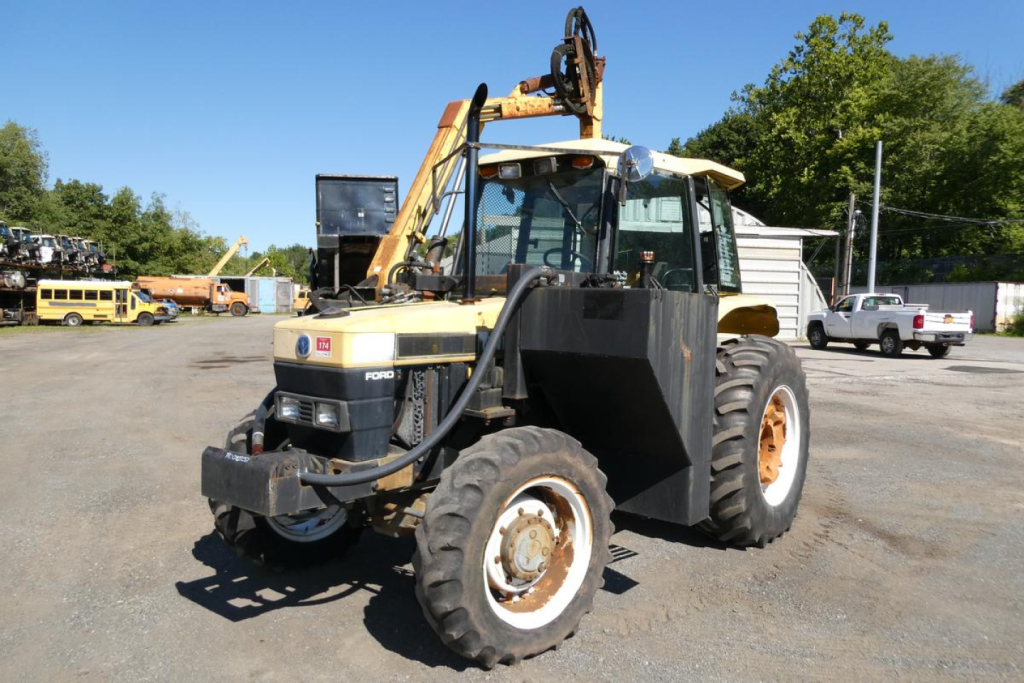
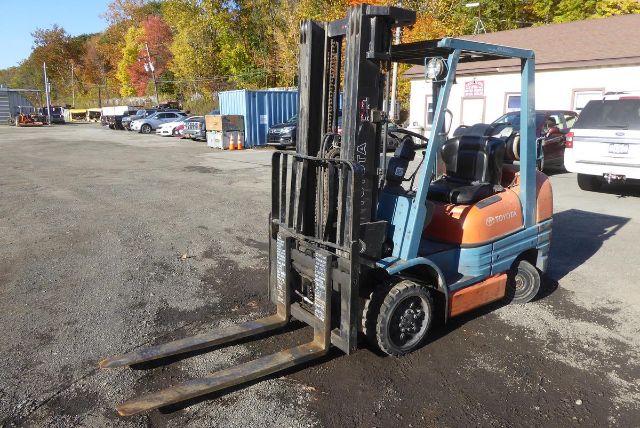
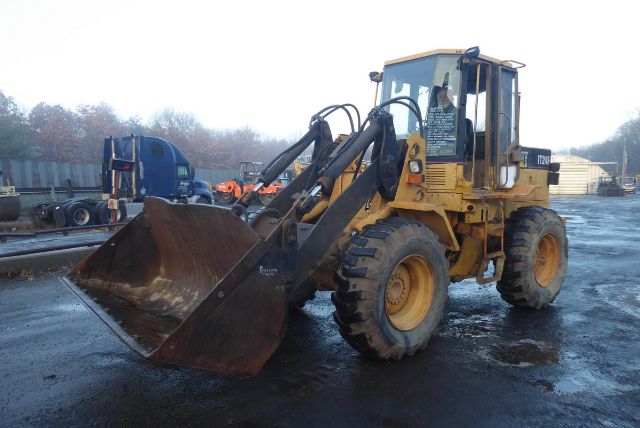
For loading and material handling equipment often found alongside trucking operations, the biggest buying decisions usually come down to lift capacity, mast configuration, fuel type, tire setup, and attachment package. A forklift or heavy lift unit may need side shift, fork positioners, a triple mast, solid or pneumatic tires, and enough lift height for dock work, flatbed loading, or yard storage. If the equipment will run indoors, propane or electric can make sense. If it will stay outside on rough surfaces, diesel power, larger tires, and stronger ground clearance are often better fits. On any 1996-era machine, pay close attention to cylinder leakage, transmission engagement, steer axle wear, brake function, and cold-start behavior.
For older trucking-related support equipment in New York, buyers should also think about climate and parts availability. Cold weather operation puts extra importance on batteries, block heaters, wiring condition, hydraulic hose age, and engine starting systems. In regions with wet seasons, corrosion on frames, cabs, floors, mast channels, and brake components can become a real cost factor. It is also smart to confirm tire size, rim type, attachment compatibility, and serial tag legibility before purchase, since sourcing the right replacement parts on 1996 equipment can depend on exact build details.
A good 1996 equipment purchase is usually one that solves a specific job without adding unnecessary complexity. Look for clear service history, honest hour-meter readings when available, smooth hydraulic response, and signs that the machine has been used consistently rather than parked for long periods. For many buyers, older trucking equipment still delivers strong value when it has a proven drivetrain, straightforward mechanical systems, and enough capacity for the work at hand. The best comparison across listings is not simply age or brand, but usable condition, spec match, and expected cost to put the unit straight to work.
Frequently Asked Questions
What should I check first when buying 1996 trucking equipment?
Start with the equipment’s intended job and verify that the core specs match it. Capacity, lift height, dimensions, power source, transmission type, and attachment setup should be confirmed before anything else. After that, inspect structural condition, hydraulic performance, engine starting, driveline operation, brake response, tire condition, and evidence of fluid leaks. On 1996 equipment, parts support and the ability to service the machine locally are often just as important as purchase price.
Is 1996 trucking equipment still practical for commercial use?
Yes, if the machine is mechanically sound and correctly matched to the application. Many 1996 units remain productive because they use simpler systems, proven drivetrains, and serviceable components. The tradeoff is that older equipment may need more frequent maintenance, closer inspection of wear items, and better planning for replacement parts. Buyers who value straightforward mechanical equipment often find strong value in this age range.
How important are hours on older trucking equipment?
Hours matter, but they do not tell the whole story. A lower-hour machine that sat unused for long periods can have seal damage, fuel system issues, corrosion, and electrical problems. A higher-hour unit with regular maintenance, dry cylinders, strong compression, and smooth hydraulic function can be the better purchase. Condition, service records, and operating performance should carry more weight than the hour meter alone.
What regional factors matter when buying used trucking equipment in New York?
New York buyers should pay close attention to rust, cold-start performance, battery condition, heater operation, hydraulic response in low temperatures, and the overall state of hoses, wiring, and brake components. Equipment that has worked through winters may show corrosion on exposed metal, mast assemblies, frame sections, and undercarriage areas. Seasonal use also makes tire condition and traction setup more important, especially for yard and loading applications.
What features add the most value on older loading and yard equipment?
Useful value-add features are the ones that improve productivity and reduce operator effort. On forklifts and similar support equipment, side shift, fork positioners, triple mast setups, enclosed cabs, pneumatic or solid tires matched to the surface, and dependable automatic transmissions are all meaningful upgrades. Features only add value if they work correctly, so each hydraulic function and attachment circuit should be tested under load when possible.