
1995 Equipment For Sale Near Sparrow Bush, New York
Browse 1995 trucking equipment listings in Sparrow Bush, New York. Compare specs, applications, condition, and drivetrain details by equipment type.
Learn more
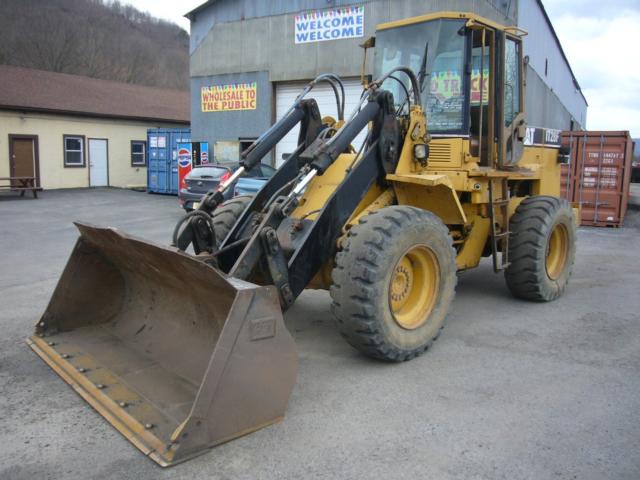
Have 1995 equipment to sell? List it here to reach thousands of buyers.
About 1995 Equipment Near Sparrow Bush, New York
In this age range, hour meter accuracy, serial tag presence, and visual inspection matter more than model year alone. Many 1995 units have seen multiple owners, partial repairs, repainting, or component swaps, so buyers should verify actual configuration instead of relying on decals or assumed factory specs. Look closely at cold-start behavior, blow-by, transmission engagement, steering response, hydraulic lift speed, cylinder seepage, mast or boom wear, brake feel, frame cracking, and pin or bushing play. On machines used around freight yards, docks, farms, or industrial properties, common wear points include tires, forks, chains, seals, hoses, cooling systems, and brake components. If the unit is non-running or has an incomplete service history, the value often comes down to engine family, rebuildability, and parts interchange.
Application should drive the buying decision. A 1995 forklift, yard machine, tractor, or other support unit may still fit a low-hour seasonal role, a backup equipment slot, or a property maintenance assignment where purchase price matters more than late-model features. Capacity, lift height, overall width, transport weight, and fuel type all affect where the machine can work and what it will cost to operate. Buyers in New York often pay extra attention to cold-weather starting, corrosion on steel components, tire condition after outdoor storage, and the availability of local service for older powertrains and hydraulic systems. For many used 1995 equipment purchases, the strongest candidates are the ones with straightforward mechanical systems, visible maintenance, and no major surprises in the frame, engine block, or hydraulic structure.
Frequently Asked Questions
Is 1995 trucking equipment still worth buying for commercial use?
It can be, especially for backup duty, seasonal work, yard use, or lower-utilization applications. The key is condition, not age alone. A well-kept 1995 machine with a healthy engine, solid hydraulics, and available replacement parts can outperform a newer neglected unit. Buyers should budget for wear items and inspect the major systems first, because repairs to engines, transmissions, or hydraulic structures can quickly erase any upfront savings.
What should I inspect first on a 1995 used equipment unit?
Start with the powertrain, hydraulics, and structure. Check engine starting, smoke, blow-by, fluid condition, transmission engagement, steering, braking, and hydraulic response under load if possible. Then inspect the frame, mast, boom, forks, attachment mounts, pins, bushings, cylinders, hoses, and tires. Also confirm the serial tag, hour meter readability, and any signs of welded repairs or missing components. On older equipment, these basics usually matter more than cosmetic appearance.
Are parts still available for 1995 trucking equipment?
Parts availability depends on the make, model, engine family, and whether common components were shared across multiple product lines. Many mid-1990s machines used mechanical diesel engines, standard hydraulic components, and common drivetrain parts that are still serviceable through aftermarket suppliers, salvage channels, or specialty dealers. Model-specific body, cab, control, and mast components can be harder to source, so buyers should verify support for critical items before purchase.
How do I judge value on older equipment with low or uncertain hours?
Treat the hour meter as only one data point. Older machines may have rolled over, had replacement clusters installed, or spent years in intermittent use. Value should be based on verified condition, maintenance history, wear at the controls, pedal and seat condition, slack in pins and linkages, tire age, hydraulic leaks, and how the unit performs during inspection. A machine with higher documented hours and good service records is usually a safer buy than one showing low hours with no proof.