
Dump Trailers For Sale in Missouri
Dump trailers for sale in Missouri, including end dumps and scrap trailers with steel tubs, high-cube bodies, tandem axles, and tarp options.
Learn more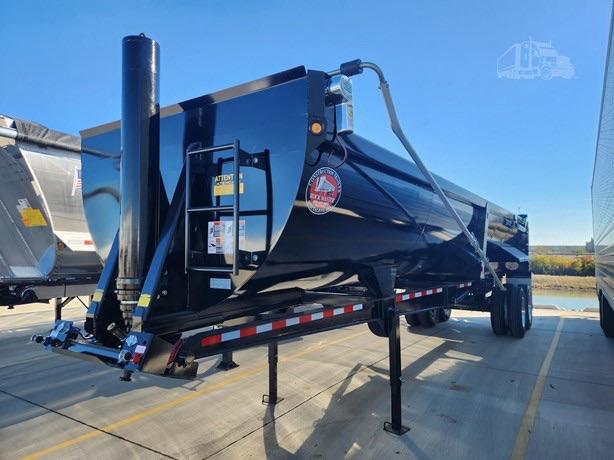
Have dump trailer to sell? List it here to reach thousands of buyers.
About Dump Trailers in Missouri
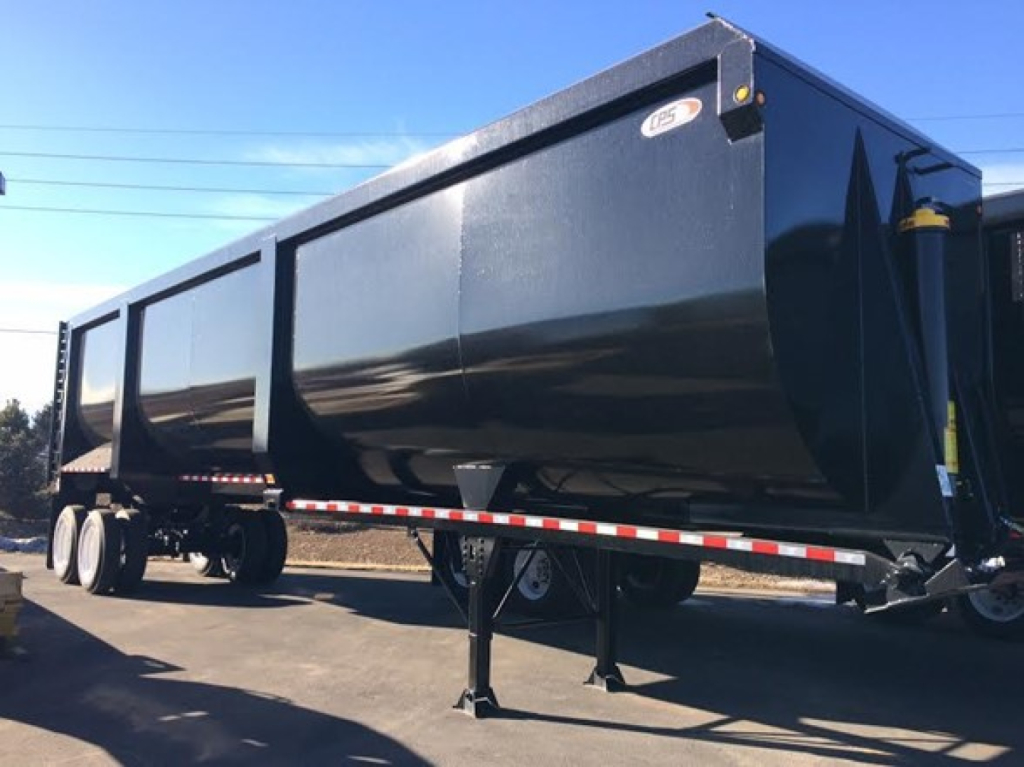
Body material and tub design drive durability and tare weight. Steel dump trailers remain the standard for rock, rubble, and abrasive material, with AR plate or other wear-resistant steel often used in the tub to handle impact and sliding abrasion. Half-round tubs are common because they shed material cleanly and reduce material hang-up compared with square-body designs. Buyers should compare trailer length, side height, cubic yard rating, gate style, and floor or wall thickness against the actual product being hauled. A trailer set up for scrap volume is different from one spec'd for dense aggregate, even if both are sold as dump trailers.
Running gear and suspension choices affect both stability and maintenance cost. Tandem axle setups are common in this category, typically paired with 11R24.5 rubber and either steel or aluminum wheel packages. Single-point or spring ride suspensions are both seen on dump trailers, and each has tradeoffs in cost, ride quality, and serviceability. Electric tarp systems, ladders, fenders, mudflaps, landing gear, and DOT-required lighting are more than convenience items on a dump trailer. They affect turnaround time, driver safety, and compliance. On Missouri routes that mix highways, county roads, quarries, and uneven jobsites, a trailer's suspension, tire spec, and overall balance matter as much as body capacity.
A good dump trailer spec starts with the material, not just the advertised cubic yards. Light, bulky loads call for side height and volume. Dense loads call for careful attention to legal axle weights, tub strength, hoist geometry, and overall empty weight. Buyers should also inspect gate seals, hinge wear, tarp condition, liner or scuff protection, floor straightness, kingpin area condition, and signs of stress around suspension hangers and crossmember connections. The right dump trailer can improve cycle times and payload efficiency, but only if the body, suspension, and gate package match the work.
Frequently Asked Questions
What is the difference between a frameless dump trailer and a frame-type dump trailer?
A frameless dump trailer uses the body structure itself as a major part of the trailer's strength, which usually reduces tare weight and can improve payload. A frame-type dump trailer includes a full chassis under the body, which can add rigidity and may suit severe-duty applications or certain operating preferences. The best choice depends on payload goals, road conditions, and how abusive the loading and unloading environment is.
Is a half-round tub better than a square-body dump trailer?
A half-round tub is often preferred for aggregate, demolition, and sticky material because it promotes cleaner discharge and reduces material hang-up in the corners. It also tends to distribute impact well when loaded by excavator or loader. A square-body design can offer different volume characteristics and may fit some specialized applications, but for general construction and rock hauling, half-round designs are widely used for their unloading performance.
How do I choose the right dump trailer capacity?
Start with the material's density, not just the trailer's cubic yard rating. High-cube trailers with tall sides work well for lighter materials like scrap or demolition debris, while dense products such as rock, sand, or millings can reach legal weight limits long before the body is full. The right capacity is the one that balances legal payload, body strength, and unload stability for the routes and products your operation handles.
What suspension is common on dump trailers?
Spring ride and single-point suspensions are both common on dump trailers. Spring ride is familiar and serviceable, while single-point setups are also widely used in vocational applications and can be a good fit for demanding routes. Buyers should evaluate suspension type along with axle rating, tire size, wheel package, and the kinds of roads the trailer will see, because stability and maintenance cost are closely tied to the running gear spec.
What should I inspect on a used dump trailer before buying?
Pay close attention to the tub, floor, gate hardware, suspension mounts, kingpin area, and hoist-related structure. Look for cracks, patched steel, floor waviness, excessive wear at hinge points, and signs the gate does not seal or swing properly. Also inspect the tarp system, wiring, tires, brakes, and landing gear. A used dump trailer can still be a strong value, but structural condition matters more than paint or cosmetic appearance.