
Dump Trailers For Sale in Arkansas
Browse dump trailers for sale in Arkansas, including end dumps and scrap trailers with heavy-duty tubs, tandem axles, tarp systems, and air ride.
Learn moreBrowse Dump Trailers by Make
Have dump trailer to sell? List it here to reach thousands of buyers.
About Dump Trailers in Arkansas
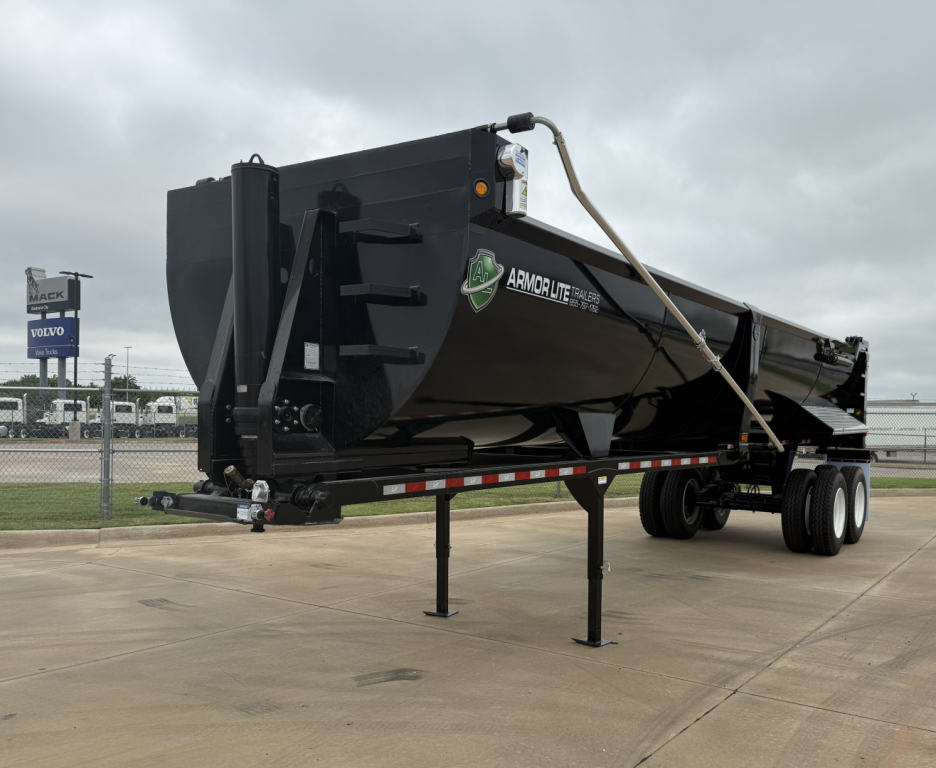
Body material matters as much as trailer size. Many dump trailers use Hardox or similar abrasion-resistant steel in the tub because it handles rock, broken concrete, and scrap better than standard steel while helping control tare weight. Common specs buyers compare include floor thickness, wall thickness, side height, cubic yard capacity, and whether the trailer has a quarter-frame or frameless design. Frameless dump trailers generally save weight and improve payload, but they need proper application and stable dumping conditions. Quarter-frame designs add structure and can be a better fit for rougher job sites or operations that prioritize durability over every last pound of payload.
Running gear and unloading equipment deserve close attention. Tandem axle configurations are standard, often with air ride or single-point suspension depending on the trailer's intended use. Tire size, wheel type, brake spec, kingpin setting, landing gear, and hoist design all affect service life and compatibility with your tractors and routes. Tarp systems are more than a convenience in Arkansas. Electric flip tarps and other covering systems help with compliance, reduce material loss, and keep turnaround moving. Rear gate style also matters. Barn doors, combo gates, and air-operated tailgates each suit different materials and unloading preferences.
A good dump trailer match comes down to payload target, material type, and the conditions where it will be raised. Buyers should think beyond length and price to ground stability, loading equipment, bridge-law constraints, and how often the trailer will haul abrasive versus bulky material. Features like ladders, rear fenders, liner packages, greaseable suspension points, and tire inflation systems can make a real difference in uptime. For operators hauling scrap or demolition material, high-wall steel tubs with reinforced side structures are often the priority. For rock, sand, and aggregate, the better choice is usually a lighter but abrasion-resistant dump body that balances capacity, durability, and legal payload.
Frequently Asked Questions
What is the difference between a dump trailer and a scrap trailer?
A standard dump trailer is typically configured for dense bulk materials like sand, gravel, dirt, and asphalt millings. A scrap trailer is a type of dump trailer with taller sides and a body built for bulky, lighter material such as demolition debris or metal scrap. The key difference is volume and body design, not just the fact that both dump. Scrap configurations usually give up some flexibility for aggregate work in exchange for higher cubic capacity and better containment.
Is a frameless dump trailer better than a quarter-frame dump trailer?
A frameless dump trailer usually offers lower empty weight and better payload potential, which is why many aggregate haulers prefer it. A quarter-frame dump trailer adds structure and can be a better fit for harsher job sites, uneven terrain, or operations that want added durability. Neither is automatically better. The right choice depends on material type, dumping conditions, and how aggressively the trailer will be used.
What steel is best for a dump trailer body?
Abrasion-resistant steel such as Hardox is a common choice for dump trailer tubs because it resists wear from rock, concrete, and scrap better than standard steel. Buyers should compare not only the brand or grade of steel, but also the thickness of the floor and sidewalls. Thicker material may improve life in severe service, but it also increases tare weight. The best setup balances durability with payload for the specific commodity being hauled.
What should Arkansas buyers look for in a dump trailer?
Arkansas buyers should pay close attention to legal payload, route conditions, and the type of work the trailer will do most often. Aggregate and construction work may favor lighter abrasion-resistant bodies, while scrap, forestry byproducts, or demolition loads may need taller sides and reinforced structures. Buyers should also consider tarp requirements, suspension choice, brake type, and tire size for the roads and distances they run. A trailer that matches local applications and tractor specs will usually perform better than one chosen on price alone.
What gate and tarp options are most common on dump trailers?
Common rear gate options include barn doors, combo gates, and air-operated tailgates. Barn doors are often used on scrap and demolition applications where wide rear access is useful. Combo and air gates are more common when controlled material discharge matters. Tarp systems range from manual to electric flip tarps, with powered systems favored for faster cycles and easier compliance. The best combination depends on whether the trailer is hauling aggregate, debris, scrap, or mixed material.