
Boom Trucks For Sale in Texas
Boom trucks in Texas with the right lift, bed strength, low tare weight, corrosion control for heat and coast, plus hydraulic cooling and site safety
Learn more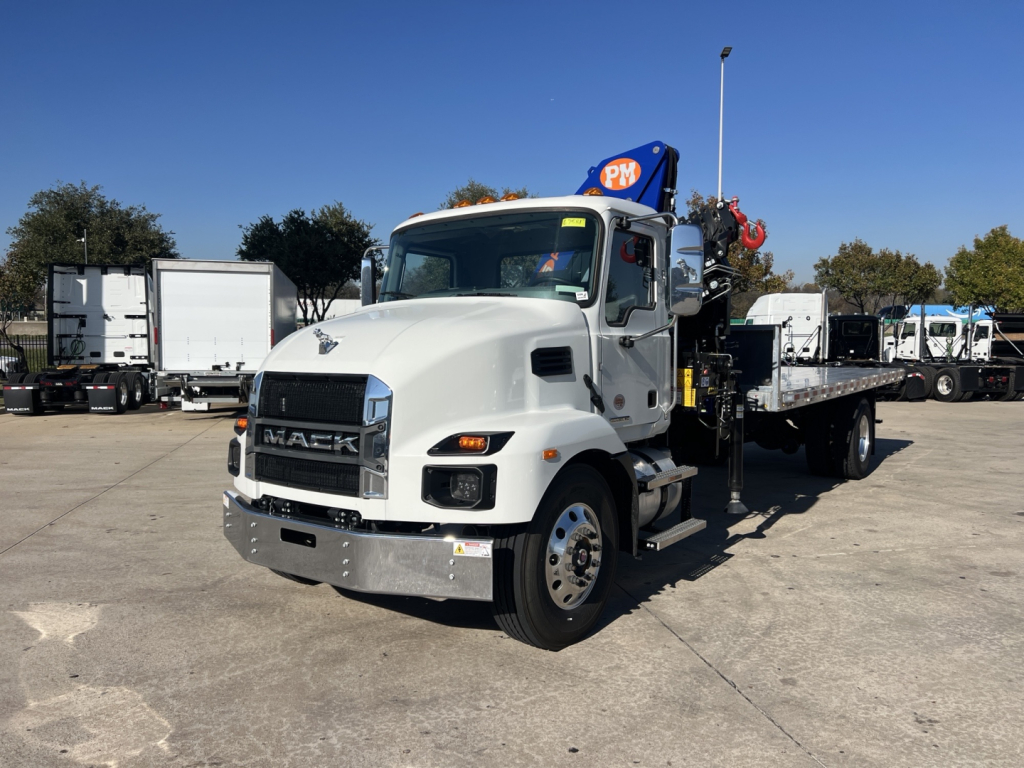
Have boom truck to sell? List it here to reach thousands of buyers.
About Boom Trucks in Texas
Floor strength on a boom truck is more than deck plate thickness. Look at the body subframe, crossmember spacing, and how outrigger boxes tie into the truck frame. A 3/16 to 1/4 inch steel tread plate with 12 to 16 inch on center crossmembers resists point loads from pallets and dunnage, but the real work is done by torsionally rigid subframes that distribute outrigger reaction into both rails without inducing frame twist. Reinforced load zones at the rear and near the turntable minimize deck deflection when staging material. Quality builds extend deck life with wear plates at forklift tire paths, integral rub rails and stake pockets, sealed hardwood or composite inserts where grip is needed, and protected tie-down points that do not interfere with outrigger swing.
Tare weight drives legal payload, stability, and uptime. Lighter aluminum or composite decks, high strength steel booms, and optimized tool storage can trim hundreds of pounds, increasing the net you can legally carry under Texas bridge law while keeping axle weights in range. Common vocational specs include 6x4 at 54,000 to 66,000 GVWR for mid-capacity units and 8x4 with a steerable lift axle for higher capacities; correct axle spacing and front axle rating are critical to support front bumper outrigger loads. Verify curb weights with fuel, cribbing, pads, and rigging on board, then compare to your heaviest planned pick and travel configuration. On-highway limits are typically 80,000 pounds without permit, certain Texas routes and local ordinances vary, so plan for permits when boom length, attachments, or axle loads exceed limits.
Thermal integrity and corrosion resistance matter in Texas heat and along the Gulf. Hydraulic systems should include a properly sized PTO and pump, finned reservoirs or fan cooled oil exchangers, and shielding from exhaust to manage oil temperatures during long duty cycles. Use the hydraulic fluid viscosity recommended by the crane builder for hot climates, ISO VG 46 is common, monitor with temperature sensors when available, and favor hose routing and abrasion sleeves that reduce heat soak. For corrosion control, look for hot dip galvanized or e coated subframes and outriggers, epoxy or polyurethane topcoats, stainless or zinc nickel fasteners, sealed Deutsch connectors, and dielectric grease at terminations. Coastal fleets benefit from underbody wash access, enclosed harness runs, and composite outrigger pads. Safety systems like load moment indicators, anti two block, function cutouts, and outrigger interlocks are essential, and annual inspections to ASME B30.5 or B30.22 with operator qualification per OSHA keep the unit compliant in Texas jobsites.
Frequently Asked Questions
How do I choose capacity and reach for Texas jobsites?
Use the load chart at your real working radius, not just the maximum rating. Identify the heaviest load, add rigging weight, then verify capacity at the radius and boom angle where you will set it, including any jib or winch use. For roofing and signage, prioritize tip height and vertical reach; for oilfield or tree work, a knuckleboom may place loads faster in tight quarters. Confirm you can deploy the full outrigger spread on typical Texas sites, since charted capacities assume proper stabilization.
What should I look for in a boom truck’s bed floor and subframe?
A durable deck pairs adequate plate thickness with tight crossmember spacing and a torsionally stiff subframe. Look for 3/16 to 1/4 inch steel plate, 12 to 16 inch on center crossmembers, reinforced zones near the turntable, and wear plates in forklift tire paths. The outrigger boxes should be integrated into the subframe with continuous welds and load spreaders, transferring forces evenly into both frame rails. Protected tie-downs, rub rails, and sealed seams extend deck life under palletized loads and abrasive dust common in Texas.
How does tare weight impact payload and stability in Texas?
Lower tare weight increases legal payload under the 80,000 pound interstate limit and helps keep axle loads under Texas bridge law thresholds. Material choices like aluminum decks, composite cabinets, and high strength steel booms reduce curb weight without sacrificing rigidity. Chassis configuration matters, 6x4 works for mid range cranes, while 8x4 with a steerable lift axle supports higher front and rear axle reactions. Always weigh the fully outfitted truck with fuel, rigging, and cribbing on board, then validate axle splits with the crane stowed and with the boom oriented as you commonly travel.
What hydraulic and cooling features help in Texas heat?
A properly sized PTO and pump matched to duty cycle, a finned tank or fan cooled oil cooler, and good thermal shielding keep oil temperatures in the recommended range during long lifts. Many builders specify ISO VG 46 hydraulic oil for hot climates, verify with the crane OEM, and consider temperature monitoring where available. Clean return line filtration, abrasion resistant hose covers, and routing that avoids exhaust and turbo heat reduce breakdowns in high ambient conditions typical across Texas.
What corrosion protection is best for coastal or chemical environments in Texas?
Seek hot dip galvanized or e coated subframes and outriggers, epoxy or polyurethane paint systems, and stainless or zinc nickel plated fasteners. Electrical reliability improves with sealed Deutsch connectors, heat shrink, and dielectric grease. Composite or polymer outrigger pads, enclosed harness runs, and regular underbody wash access help resist Gulf salt and industrial chlorides. If you operate near the coast, specify additional seam sealing and undercoating, and follow short wash intervals to maintain coating integrity.