
Boom Trucks For Sale in New York
Browse boom trucks for sale in New York, including utility, tree, and material handling units with key specs buyers compare most.
Learn moreNo exact matches found for your search
Showing Boom Trucks instead.
Have boom truck to sell? List it here to reach thousands of buyers.
About Boom Trucks in New York
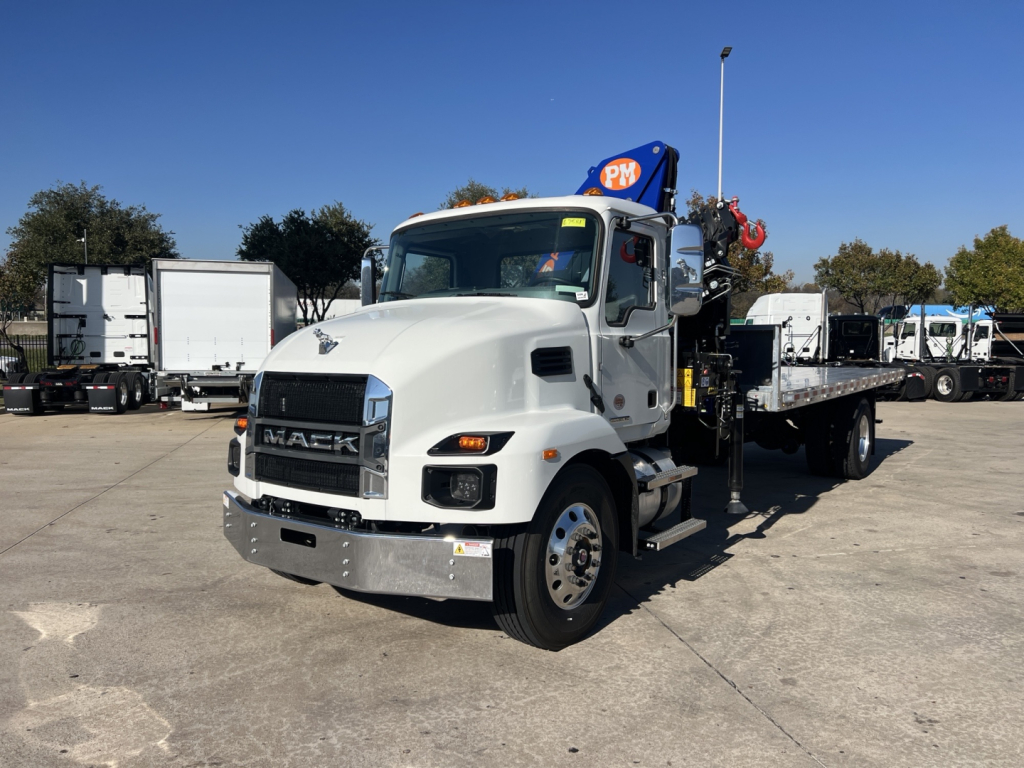
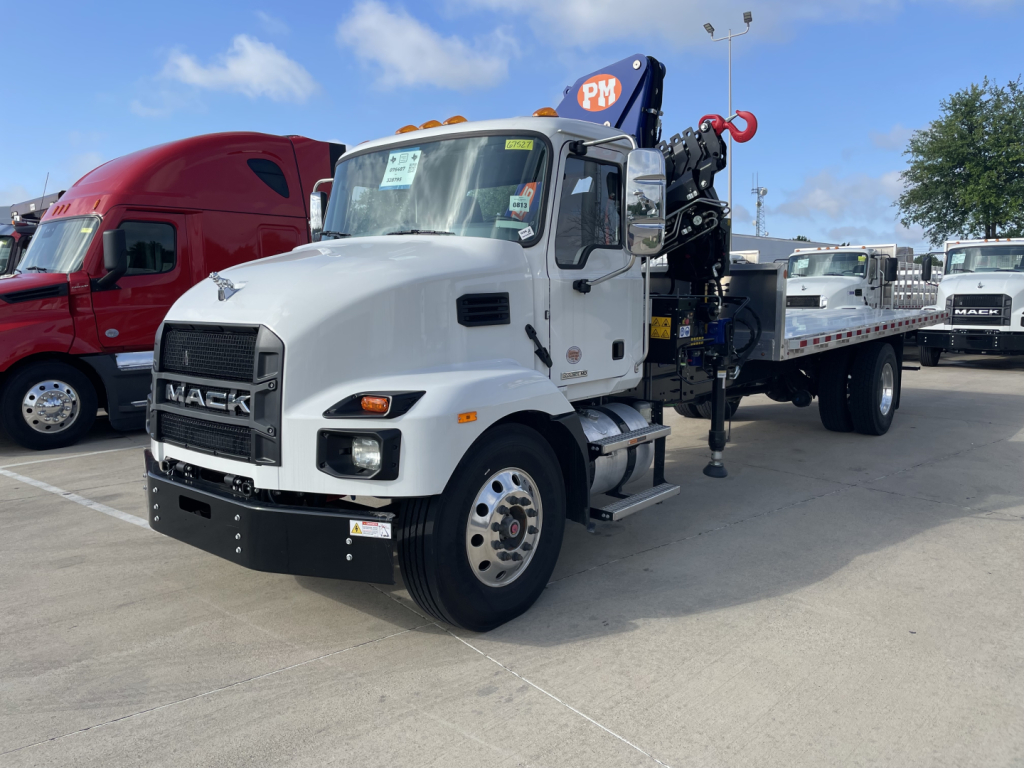
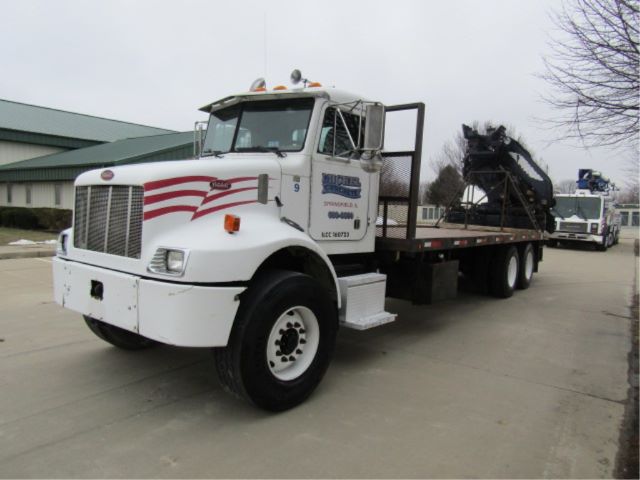
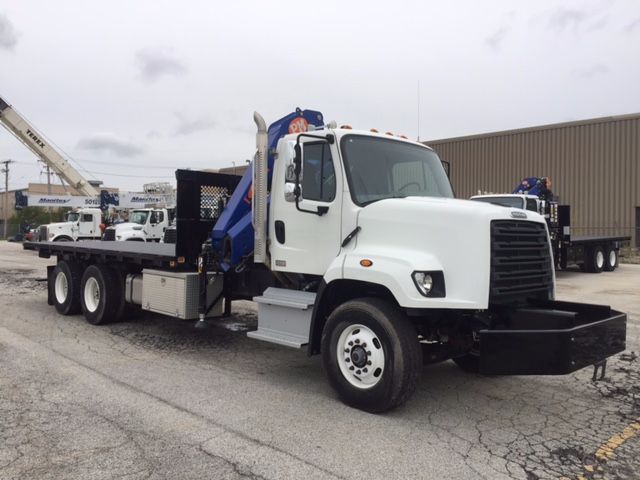
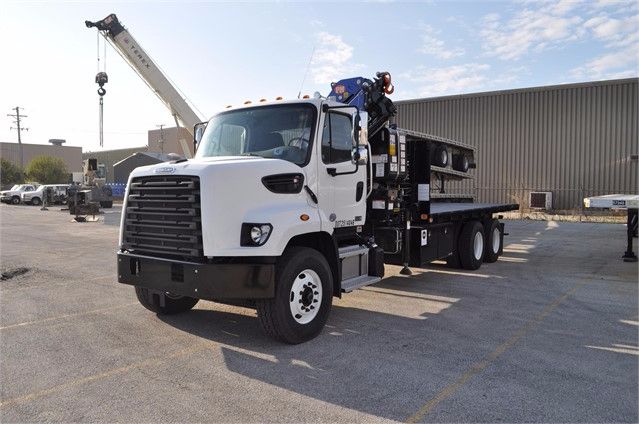
The most important spec decisions are platform height, side reach, lift capacity, and chassis class. Medium-duty platforms such as GMC, Ford, International, Freightliner, and Chevrolet are common because they balance payload, stability, and serviceability. Buyers should verify GVWR, axle ratings, wheelbase, and PTO configuration, then compare boom ratings at different angles and radiuses rather than looking at maximum lift alone. For aerial units, pay close attention to basket capacity, insulation rating if utility work is planned, turret condition, hydraulic performance, and lower and upper controls. For crane-style boom trucks, look at winch line pull, boom extension type, outrigger spread, and whether the unit is designed for behind-cab lifting or integrated body applications.
Used boom trucks in New York deserve a careful corrosion inspection. Road salt can affect frames, outriggers, hydraulic lines, subframes, body mounts, and electrical connectors, especially on older municipal or tree-service units. On arborist trucks, inspect the chip body floor, barn doors, and tool compartments for rot, cracking, or repeated patching. On any boom truck, service records matter because the hydraulic system, slew bearing, wear pads, hoses, pins, and controls determine long-term reliability and safe operation. If the truck will cross boroughs, park in tight suburbs, or access narrow roads upstate, overall length, turning radius, and outrigger setup can matter as much as working height.
A good boom truck match depends on the job mix more than the badge on the hood. Tree companies may prioritize chip storage, easy curbside setup, and aerial positioning in dense residential areas. Contractors and supply operators may care more about crane charts, deck space, and stable lifting from uneven job sites. Buyers comparing boom trucks for sale should look beyond the headline reach number and confirm how the truck performs at real working radius, what it weighs ready to work, and how easily the chassis and boom system can be serviced locally.
Frequently Asked Questions
What is the difference between a boom truck and a bucket truck?
A boom truck is a broad category that includes trucks equipped with an articulated or telescopic boom for lifting personnel, materials, or both. A bucket truck usually refers specifically to an aerial lift truck with a personnel platform for utility, telecom, sign, or tree work. Some boom trucks are built strictly for aerial access, while others are configured more like crane trucks for material handling.
What specs matter most when comparing boom trucks for sale?
The key specs are working height, horizontal reach, basket or lifting capacity, chassis GVWR, axle ratings, outrigger design, and PTO-hydraulic setup. Buyers should also compare the boom's rated capacity at actual working radius, not just the maximum number in the brochure. For tree and utility work, insulation rating, platform controls, and body storage layout are also major buying factors.
Are older boom trucks a good value for tree service or municipal work?
They can be, but condition matters more than age alone. An older boom truck with documented inspections, clean hydraulics, tight pins and bushings, and limited structural corrosion can still be a productive unit. In New York, buyers should be especially careful about rust on the frame, outriggers, subframe, chip body, and electrical connections because winter road treatment can accelerate deterioration.
Do boom trucks require special inspection or operator considerations?
Yes. Boom trucks used for lifting personnel or materials typically require regular inspection of the boom structure, hydraulic components, safety interlocks, outriggers, and controls. Depending on the configuration and application, buyers may also need to consider ANSI requirements, dielectric testing for insulated units, crane inspection standards, and operator training rules. The exact compliance requirements depend on whether the unit is used as an aerial device, a material handling crane, or both.
Which chassis are common under boom trucks?
Most boom trucks are built on medium-duty or heavy-duty commercial chassis from Ford, Chevrolet, GMC, International, Freightliner, and similar makes. The right chassis depends on the boom weight, body style, payload needs, and where the truck will operate. A tree-service truck often favors maneuverability and integrated chip-body design, while a material handling boom truck may need higher axle ratings and a longer wheelbase for stability and crane support.