
Used Volvo Conventional Sleeper Trucks For Sale in Pennsylvania
Shop used Volvo conventional sleeper trucks in Pennsylvania. Compare VNL sleepers with D13 power, I-Shift transmissions, and long-haul specs.
Learn moreNo exact matches found for your search
Showing Used Conventional Sleeper Trucks in Pennsylvania instead.
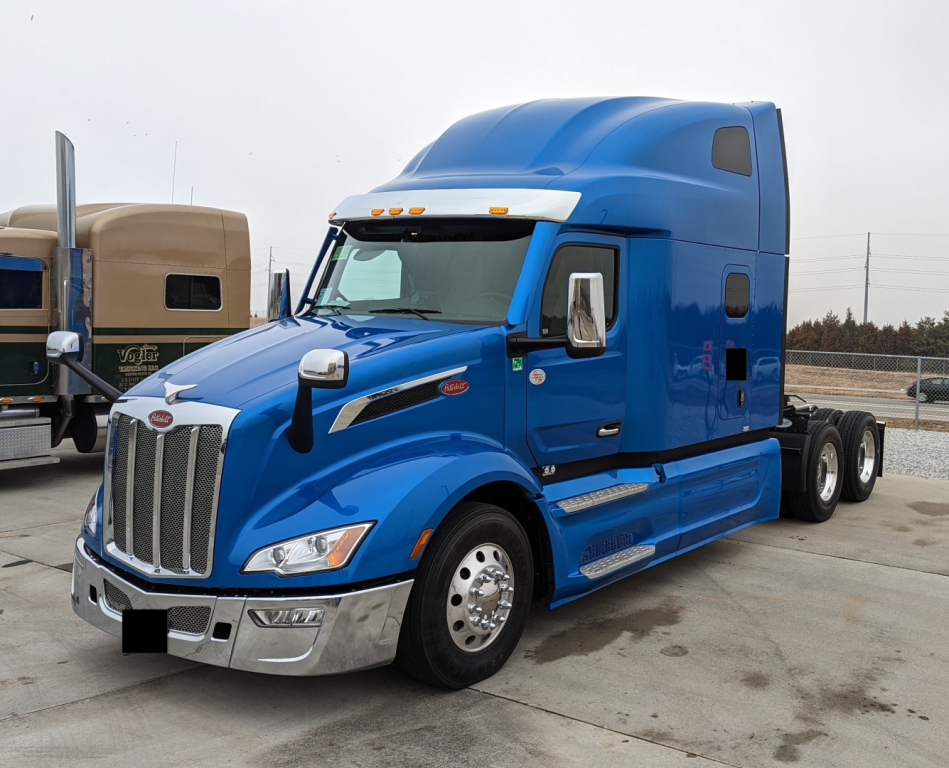
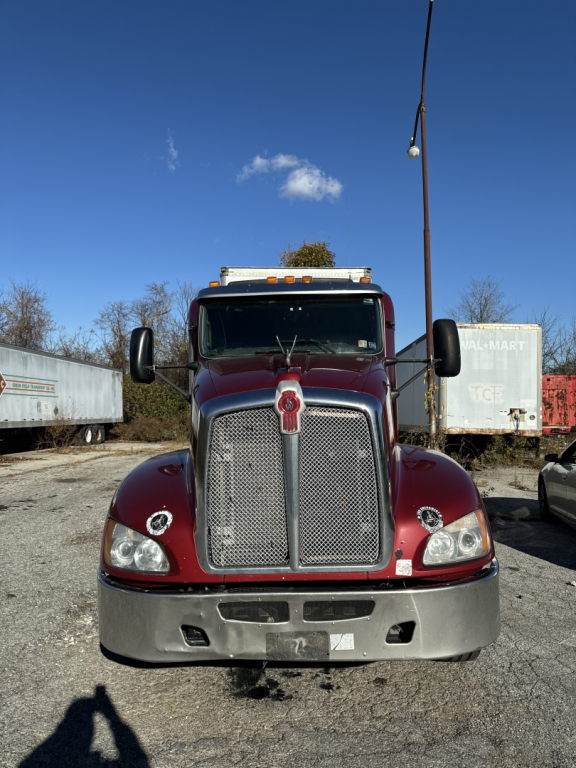
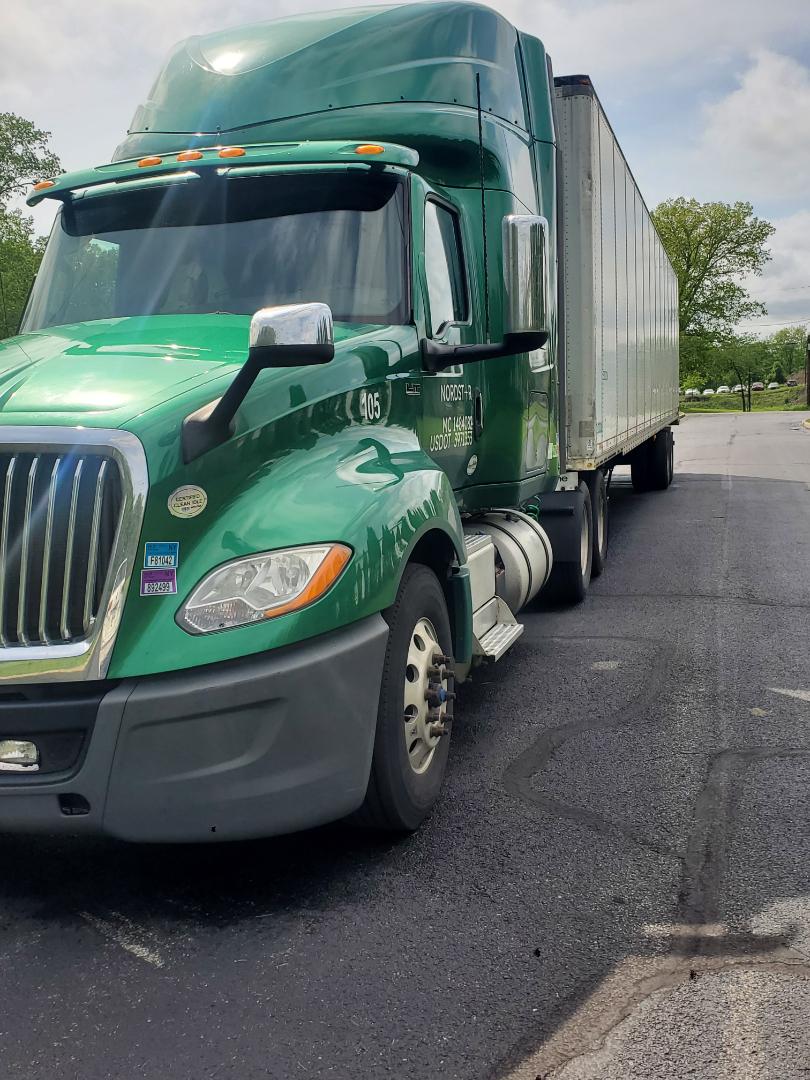
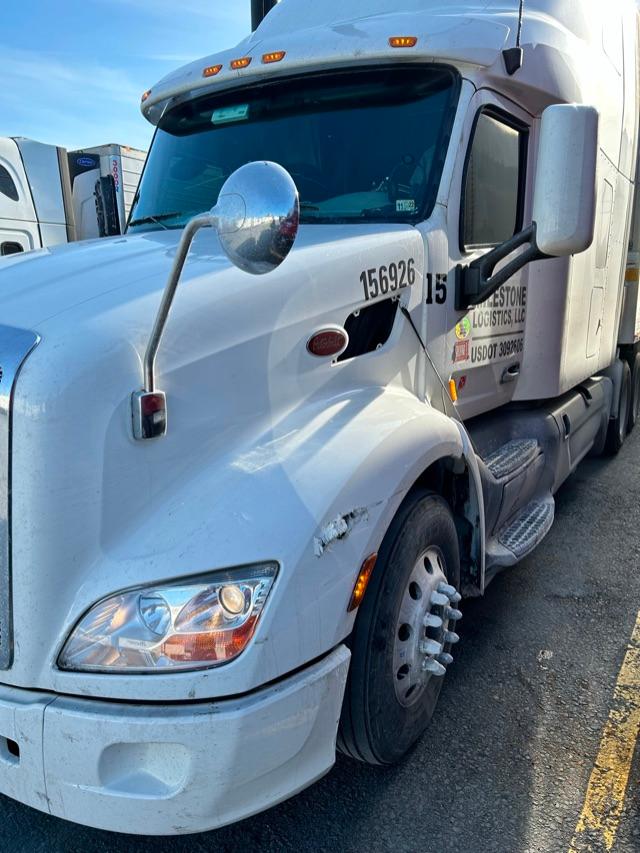
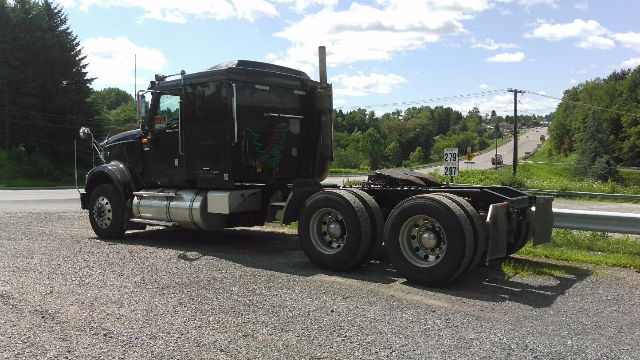
Have used volvo conventional sleeper truck to sell? List it here to reach thousands of buyers.
About Used Volvo Conventional Sleeper Trucks in Pennsylvania
For many buyers, the main decision starts with the powertrain. Late-model used Volvo conventional sleepers often come with the Volvo D13 engine in ratings around 425 to 455 horsepower, paired with the Volvo I-Shift automated manual transmission. That combination is well known for smooth shifting, efficient cruise performance, and reduced driver fatigue compared with older manual setups. Common highway specs include 6x4 drivetrains, 40,000 lb rears, air ride suspension, and faster rear axle ratios such as 3.08 for fuel-conscious over-the-road service. Wheelbase, fifth wheel slide, and fuel capacity should be matched to the trailer length, axle weights, and routing the truck will actually see.
The sleeper itself is a major buying point in this category. Volvo conventional sleeper trucks are designed for regional and over-the-road use where the driver may spend multiple nights in the cab. Buyers usually compare bunk size, storage layout, stand-up room, HVAC performance, noise control, and options like APUs, inverters, and upgraded interior trim. Aerodynamic components such as side fairings, cab extenders, quarter fenders, and roof treatments also matter because missing or damaged pieces can affect both appearance and fuel economy. Safety and drivability features are common on newer used units, including collision mitigation systems, engine brakes, air slide fifth wheels, disc brakes, and integrated controls at the wheel.
A careful used-truck evaluation should go beyond mileage and model year. On a Volvo sleeper, buyers should pay close attention to service history, D13 emissions system performance, I-Shift calibration and clutch behavior, suspension wear, brake condition, and any fault history tied to active safety systems. In Pennsylvania and surrounding states, corrosion, frame condition, and winter exposure deserve extra scrutiny, especially around crossmembers, battery boxes, and cab mounts. A well-spec'd used Volvo conventional sleeper can be an efficient, comfortable platform for dry van, reefer, and general freight operations, particularly when the cab size, axle ratio, and sleeper configuration line up with the intended route and duty cycle.
Frequently Asked Questions
What are the most common Volvo conventional sleeper models on the used market?
The Volvo VNL series is the core of this category, with the VNL 760 and VNL 860 being two of the most common sleeper configurations. The VNL 760 is often chosen for a balance of weight, aerodynamics, and living space, while the VNL 860 adds a larger sleeper for teams or drivers spending extended time on the road. Both are conventional sleeper trucks built for over-the-road applications and are frequently spec'd with Volvo D13 engines and I-Shift automated transmissions.
Is the Volvo D13 and I-Shift combination a good choice in a used sleeper truck?
Yes, the Volvo D13 paired with the I-Shift is one of the most widely accepted powertrain combinations in late-model used Volvo sleepers. It is known for efficient highway operation, smooth automated shifting, and good driver acceptance in fleet service. Buyers should still verify maintenance records, software updates, clutch wear, and emissions system history, because the condition of the powertrain matters more than the brand name alone on a used truck.
What specs matter most when buying a used Volvo sleeper for long-haul work?
The most important specs are horsepower and torque rating, transmission type, rear axle ratio, suspension, wheelbase, sleeper size, fuel capacity, and brake setup. A fuel-efficient highway truck often has a downsped spec with a taller overdrive and a faster rear ratio such as 3.08, while the sleeper size should match how many nights the driver is in the truck. Disc brakes, collision mitigation, an air slide fifth wheel, and an APU can also add value depending on the operation.
Are Volvo conventional sleeper trucks a good fit for Pennsylvania routes?
They can be a strong fit for Pennsylvania because the state combines heavy interstate traffic, mountain grades, urban congestion, and four-season weather. Volvo sleepers are generally valued for ride quality, cab ergonomics, and stable highway manners, which helps on mixed routes that include turnpike miles and regional freight. Buyers in Pennsylvania should inspect for corrosion, winter-related wear, and cooling or emissions performance under sustained grade climbing.
What should I inspect first on a used Volvo conventional sleeper truck?
Start with the maintenance history, engine fault codes, transmission operation, aftertreatment performance, and overall chassis condition. Then inspect the sleeper interior, bunk equipment, HVAC, fairings, tires, brakes, and suspension components. On Volvo models, it is also smart to confirm that driver-assistance systems, dash electronics, and any integrated safety features are functioning properly, because those repairs can add cost if problems are missed during purchase.