
Used Trailers For Sale in Missouri
Shop used trailers in Missouri, including dry vans, reefers, chassis, dump trailers, and storage units with specs that fit regional freight.
Learn more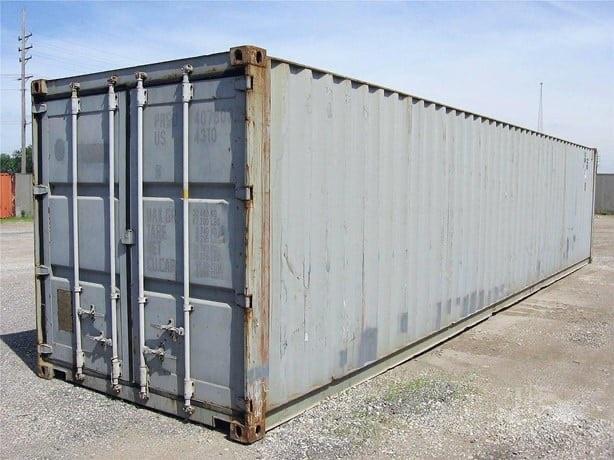
Have used trailer to sell? List it here to reach thousands of buyers.
About Used Trailers in Missouri
For van and reefer buyers, common specs include 53' x 102" dimensions, air ride suspension, swing or roll doors, aluminum or composite roof construction, and 22.5 low-pro tires on steel or aluminum wheels. Dry vans are often selected for general freight, retail, and dock-to-dock work, while reefers add the cost and complexity of refrigeration unit hours, fuel tank condition, evaporator performance, and insulation integrity. On a used reefer, buyers should pay close attention to unit brand, service history, floor wear, and door seal condition. On a used van, it is smart to inspect crossmembers, logistically important features such as logistics posts or scuff liners, and signs of previous wall or roof repairs.
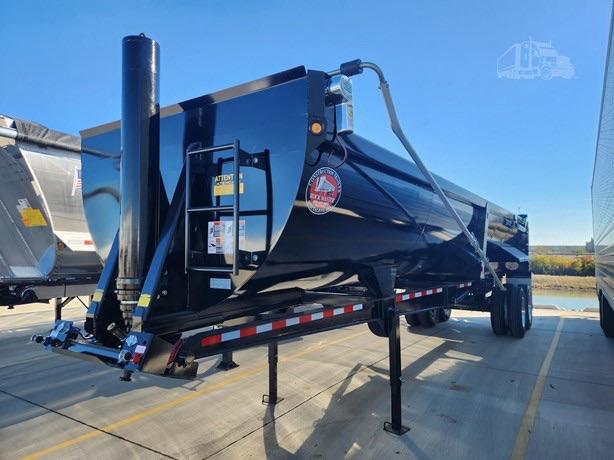
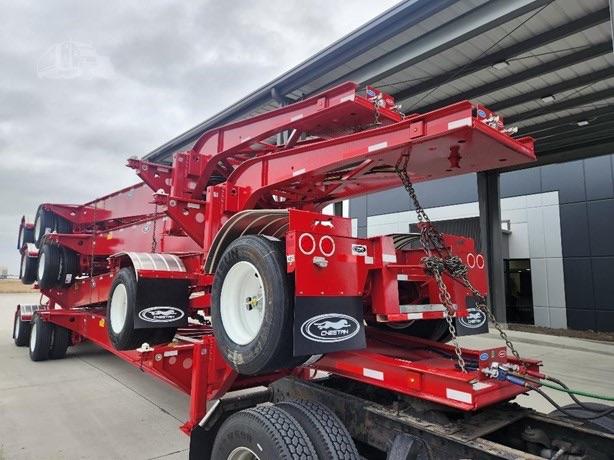
Missouri also sees steady demand for chassis and dump trailers. Chassis are common in port-connected container moves and regional intermodal work, where kingpin setting, tandem slide function, tire inflation systems, and frame corrosion are key checkpoints. Dump trailers, including steel end dumps, are typically chosen for aggregate, demolition, grain, and construction material hauling. In that segment, suspension type, hoist condition, tarp system operation, liner wear, gate condition, and frame cracking deserve a close look. Storage containers and storage-style trailers also appeal to buyers who need secure on-site capacity without adding a building footprint.
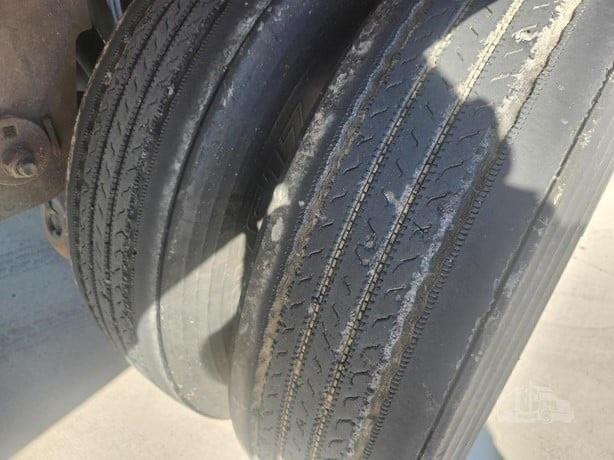
A strong used trailer purchase starts with structural inspection and application fit. Look at the VIN plate, check axle ratings, confirm brake type, inspect tires for even wear, and review any signs of patched floors, repaired rails, or mismatched components. Buyers comparing used trailers in Missouri should also consider parts support, service access, and resale strength for brands commonly seen in the Midwest. A lower-cost trailer can still be a good value if the frame, suspension, roof, doors, and running gear are sound and the spec fits the freight.
Frequently Asked Questions
What types of used trailers are most common in Missouri?
The most common used trailers in Missouri include dry vans, refrigerated trailers, chassis, dump trailers, flatbeds in many markets, and storage containers or storage trailers. Dry vans are widely used for general freight and warehouse distribution, reefers support food and temperature-controlled freight, chassis handle container moves, and dump trailers serve construction, agriculture, and material hauling. The right choice depends on cargo type, route length, loading method, and whether the trailer will run over-the-road or stay in local service.
What should I inspect first on a used trailer?
Start with the frame, suspension, axles, brakes, tires, and floor. Those are the components that most directly affect safety, operating cost, and downtime. After that, inspect the roof, sidewalls, rear frame, doors, and any cargo-control equipment. On reefers, add a close review of the refrigeration unit, fuel tank, insulation, and service records. On dump trailers, inspect the hoist, tub, gate hardware, and tarp system. A trailer that looks clean cosmetically can still need expensive structural or running gear work.
Is air ride better than spring ride on a used trailer?
Air ride is generally preferred for better ride quality, lower cargo shock, and broader freight compatibility, especially on vans and reefers. It can help protect sensitive loads and is commonly requested in many contract freight applications. Spring ride is simpler and often lower-cost to maintain, which can make sense for certain chassis, dump, or heavier-duty applications. The better choice depends on the commodity, expected miles, and how much value you place on ride quality versus simplicity.
How do I evaluate a used reefer trailer differently from a dry van?
A used reefer requires inspection of both the trailer and the refrigeration system. Buyers should check engine hours on the unit, maintenance history, temperature pull-down performance, fuel tank condition, door seals, interior insulation, and the condition of the reefer floor. Dry vans do not carry the same refrigeration-related costs, so the focus is more on structural condition, roof leaks, floor wear, wall repairs, and cargo securement features. Reefer repairs can be expensive, so service history is especially important.
Are storage containers and storage trailers a practical used option?
Yes. Used storage containers and storage-style trailers are often a practical way to add secure on-site storage for tools, inventory, parts, or seasonal materials. Buyers should inspect the floor, door operation, weather sealing, corner castings, and overall structural straightness. If the unit will stay in one place, road-ready running gear may matter less than security and weather resistance. If it may be moved later, axle, tire, and light condition still matter.