
Used Trailers For Sale in Maine
Browse used trailers for sale in Maine, including common trailer types, specs, axle setups, body materials, and buyer considerations.
Learn more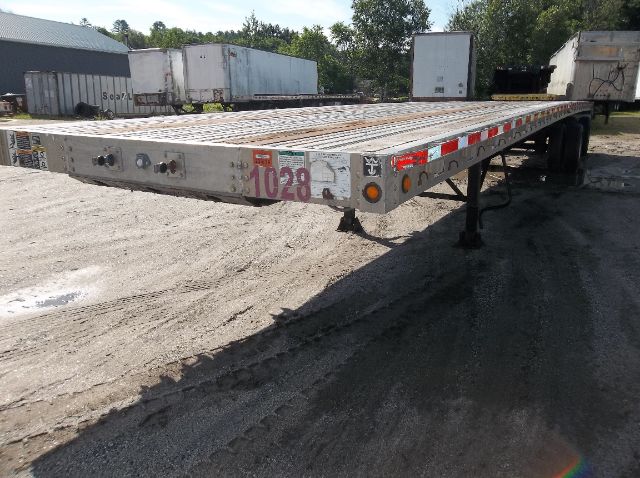
Have used trailer to sell? List it here to reach thousands of buyers.
About Used Trailers in Maine
Flatbed trailers are a common choice in the used market and are also known simply as flatbeds. Typical specs include 48-foot or 53-foot lengths, 102-inch width, tandem or spread axle configurations, and either steel, aluminum, or combination construction. A combo unit, for example, usually pairs a steel subframe with aluminum components to balance tare weight and durability. Buyers comparing used flatbeds often look at deck condition, floor material, rub rail integrity, winch track setup, tire size, and suspension type such as air ride. Spread axle trailers can improve weight distribution and deck stability, but they also affect turning radius and can increase tire scrub in tight yards. If the trailer will see dense New England routes, bridge law, axle spacing, and maneuverability should be part of the buying decision.
Across trailer categories, the main used-market value drivers are age, maintenance history, body integrity, and remaining service life on consumables. On vans and reefers, that means roof condition, door seals, floor wear, scuff liners, and for reefers, the hours and service records on the refrigeration unit. On dumps and equipment trailers, buyers tend to focus more on hoist performance, frame stress points, suspension, and the condition of ramps, apitong flooring, or hydraulic components. Tire inflation systems, ABS function, air system leaks, brake drum or rotor condition, and wheel-end maintenance can have a real effect on operating cost after purchase. In Maine, rust around rear frames, suspension hangers, slider boxes, and electrical connections deserves a close inspection.
A good used trailer is one that matches the freight and stays compliant without turning into a shop project. Buyers should compare GVWR, empty weight, axle rating, floor type, landing gear condition, and kingpin setting against the tractor and the load profile they plan to run. For regional work, a lighter trailer may improve payload and fuel economy. For rougher jobsite or logging-related service, heavier construction and simpler repairability can matter more than tare weight. The best listings usually give enough detail to evaluate specs quickly, but an informed buyer will still verify VIN history, maintenance records, brake measurements, tire condition, and any evidence of patchwork repairs before making a final decision.
Frequently Asked Questions
What should I inspect first on a used trailer in Maine?
Start with the frame, crossmembers, suspension hangers, brake system, tires, and electrical wiring. Maine conditions can accelerate corrosion, especially on older trailers exposed to road salt, coastal moisture, and freeze-thaw cycles. Look closely at the kingpin area, rear impact guard, slider assembly if equipped, and any steel components where rust can hide around welds or mounting points. Structural condition usually matters more than cosmetic appearance because repairs to major frame sections can quickly outweigh the savings of a lower purchase price.
Is a spread axle trailer better than a tandem axle trailer?
It depends on the application. A spread axle trailer can offer better weight distribution and often improves stability on the deck, which is useful for flatbed freight. It can also help with certain bridge law situations. The tradeoff is reduced maneuverability in tighter spaces and more tire scrub during sharp turns. Tandem axles are generally easier to handle in urban yards and may be simpler to live with on tighter regional routes. The best choice depends on your freight, turning environment, and axle weight strategy.
What is a combo flatbed trailer?
A combo flatbed, or combination trailer, typically uses a steel main structure with aluminum components such as the floor or side members. The goal is to balance strength with lower tare weight compared with an all-steel design. Buyers often consider combo trailers when they want payload efficiency without giving up too much durability. On a used unit, inspect both the steel and aluminum sections carefully because dissimilar materials can show wear differently, and prior repairs may not age the same way across the trailer.
How important are tires, brakes, and suspension on a used trailer purchase?
They are critical because they drive immediate operating cost and downtime risk. A trailer that looks inexpensive up front can become expensive quickly if it needs a full set of tires, brake work, bushings, airbags, or wheel-end service right away. Check tire size and date codes, measure remaining brake lining, inspect drums or rotors, and look for air leaks or uneven ride height. Suspension condition affects tire wear, cargo stability, and alignment, so it should be evaluated as part of the total purchase value, not as a minor detail.
What trailer specs matter most when comparing used listings?
The most important specs are trailer type, length, width, axle configuration, suspension type, construction material, and floor type. After that, buyers should compare GVWR, axle ratings, tare weight, tire size, kingpin setting, and any specialized equipment such as winch tracks, scuff liners, lift axles, ramps, or tire inflation systems. The right spec package depends on the freight and operating territory. A trailer that is well matched to the job will usually perform better and cost less to run than one purchased only on price or appearance.