
Used Trailers For Sale in Indiana
Browse used trailers for sale in Indiana, including dry vans and reefer trailers with common specs, features, and buying tips for fleet use.
Learn morePopular Trailers Categories
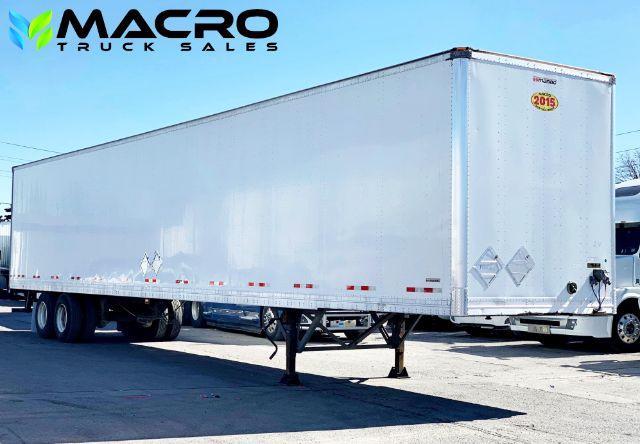
Have used trailer to sell? List it here to reach thousands of buyers.
About Used Trailers in Indiana
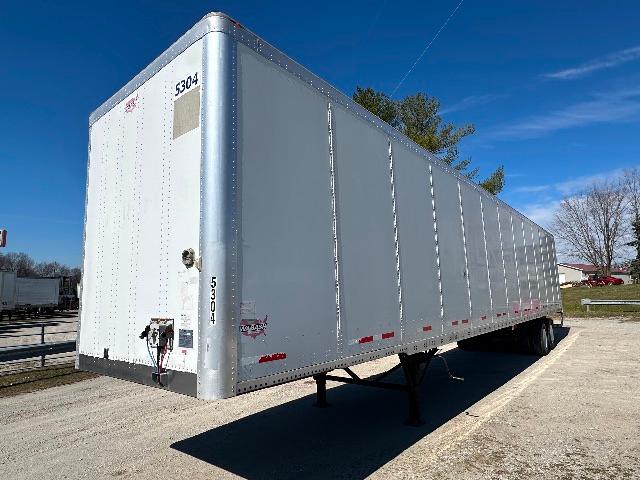
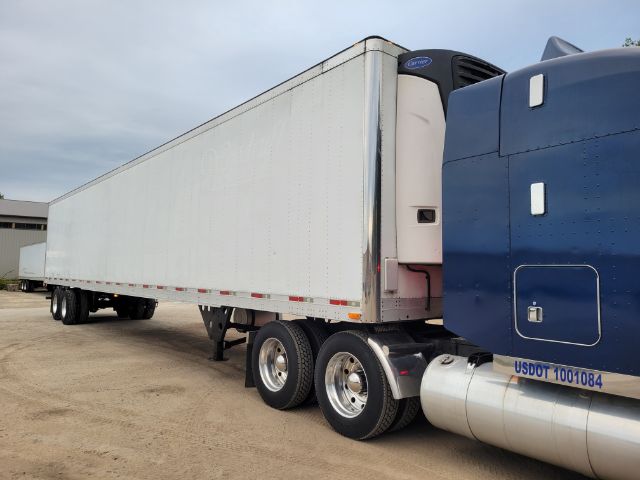
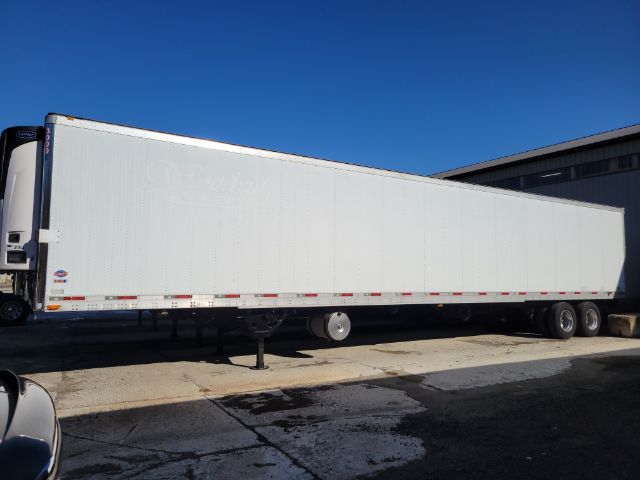
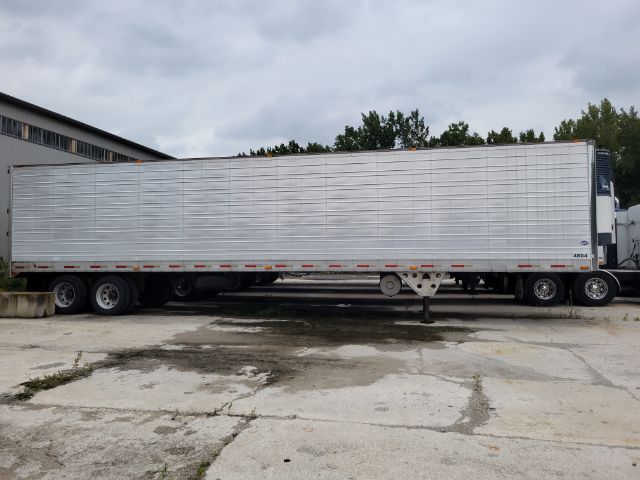
A used dry van buyer should pay close attention to body construction and floor condition. Plate vans such as Wabash DuraPlate models are popular because they balance durability, low empty weight, and repairability. Hardwood floors remain common and are worth inspecting for rot, soft spots, forklift damage, and rail wear. Roof condition matters more than many buyers expect, especially on older units that have seen dock impacts or snow load. On reefer trailers, the trailer body and the refrigeration system both need to be evaluated as separate assets. Look at the reefer unit brand, hours, pull-down performance, and whether the trailer holds temperature under load. Also inspect scuff liners, interior lining such as Kemlite, door seals, rear frame corrosion, and the condition of the T-floor or duct floor, since airflow is critical for produce, frozen foods, and mixed temp operations.
Indiana buyers often look for trailers that can go straight to work in regional, Midwest, and over-the-road service, so running gear condition has a direct effect on total cost. Check brake percentages, drum and rotor wear, tire age and matching, wheel type, suspension bushings, air system leaks, and slider box wear. Aluminum wheels and stainless rear components can improve appearance and corrosion resistance, but structural condition matters more than cosmetic trim. A clear title, current inspection status, and evidence of recent maintenance can save time and money after purchase. On reefers, confirm the unit can reach and maintain below-zero temperatures if frozen service is required, and verify that doors are water-tight and locking properly.
The best used trailer is the one that matches the lane, commodity, and loading environment. A fleet pulling dock-to-dock dry freight may prioritize floor rating, swing doors, and low operating cost. A food-grade reefer operation may care more about insulation integrity, clean interior lining, heavy-duty duct flooring, and a dependable Carrier or Thermo King unit. Trailer age alone does not tell the full story. Maintenance history, prior application, structural repairs, and how the trailer has been spec'd will usually matter more than the model year when comparing used trailers for sale in Indiana.
Frequently Asked Questions
What types of used trailers are most common in Indiana?
The most common used trailers in Indiana are 53-foot dry vans and 53-foot reefer trailers, with some 48-foot reefers and vans still available for regional use. Dry vans are used for general freight, retail, and warehouse distribution, while reefers are built for temperature-sensitive cargo such as frozen food, dairy, produce, and pharmaceuticals. Tandem axles, sliding tandems, 102-inch width, and air ride suspension are common specs across both trailer types.
What should I inspect first on a used reefer trailer?
Start with the refrigeration unit, the insulated trailer body, and the floor system. The reefer unit should be checked for engine hours, service history, start-up behavior, and pull-down ability to target temperature. The trailer body should be inspected for insulation integrity, clean interior walls, sound scuff liners, solid rear doors and seals, and a floor that allows proper airflow. A reefer that looks clean but cannot maintain temperature under load can become an expensive problem quickly.
Is a 48-foot trailer still a practical buy compared with a 53-foot trailer?
A 48-foot trailer can still be a practical choice for regional freight, older dock layouts, and operations that do not need maximum cubic capacity. It may also cost less upfront and work well in tighter urban or mixed-route applications. A 53-foot trailer usually offers better flexibility for mainstream freight and is easier to place into standard over-the-road or contract lanes. The right choice depends on dock access, commodity size, route density, and customer requirements.
What matters most on a used dry van trailer?
Floor condition, sidewall integrity, roof condition, rear frame health, and running gear condition are the big items on a used dry van. Forklift traffic can damage hardwood floors and lower rail areas, while roof leaks can create long-term interior problems. Buyers should also inspect brakes, tires, suspension, wheel ends, and the tandem slider assembly. A trailer with average cosmetics but a sound structure is usually a better value than one that looks clean but needs major floor or frame work.
How important is trailer construction type on a used van trailer?
Construction type affects weight, durability, and repair cost. Plate trailers, including well-known composite sidewall designs, are common because they hold up well in fleet service and are widely accepted in general freight operations. Aluminum roof construction is also common and should be checked for patches or impact damage. Buyers comparing used vans should look beyond the brand name and focus on how the construction has held up in actual service, especially around the nose, rear frame, crossmembers, and landing gear mounts.