
New 2024 Trucks For Sale in Missouri
Browse new 2024 trucks for sale in Missouri, including box trucks, service trucks, vans, buses, and step vans with current specs and warranty coverage.
Learn more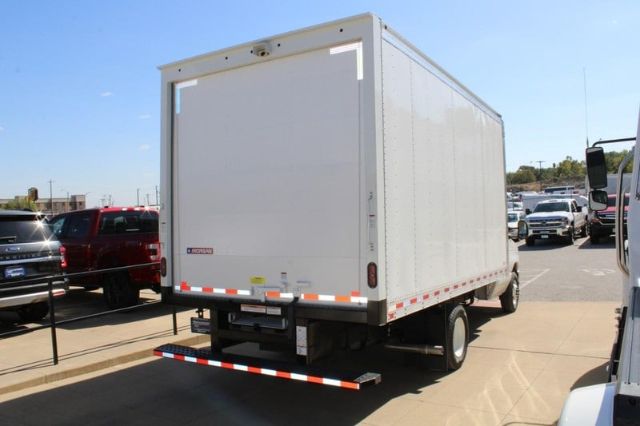
Have new 2024 truck to sell? List it here to reach thousands of buyers.
About New 2024 Trucks in Missouri
Powertrain choice matters more than many buyers expect, especially in Missouri where trucks may see urban delivery routes, rural highways, and seasonal temperature swings in the same week. Gas engines remain common in light and medium-duty new trucks because they simplify maintenance, reduce upfront cost, and suit lower annual mileage or shorter routes. Automatic transmissions dominate this segment, and common spec points include 4x2 drivetrains, spring suspension, single rear axles, wheelbase selection, and fuel tank size. On vocational builds, buyers should pay close attention to alternator output, dual battery setups, PTO and upfitter switch compatibility, trailer brake controllers, and axle ratios, since those details affect how well the truck supports service equipment, lifts, or route accessories.
Body and cab configuration usually determine long-term productivity. Box trucks are often chosen by cargo length, door type, interior height, and payload, while service and utility trucks are judged by compartment layout, material thickness, and how well the body matches the chassis rating. Vans and step vans are often compared on cargo access, standing room, turning radius, and ease of loading in tight commercial areas. Shuttle and bus-style units bring a different set of concerns, including passenger count, wheelchair lift configuration, seating layout, and whether the truck remains non-CDL based on its final weight rating and seating capacity. Factory-installed safety systems, backup cameras, ABS, power equipment, and driver comfort features also matter if the truck will spend full days on route.
A good buyer compares more than make, model, and price. Check the final upfit, not just the chassis badge. Confirm GVWR, payload after body installation, axle rating, wheelbase, and body dimensions. Review warranty terms for both chassis and body manufacturer, since cutaway and vocational trucks often carry separate coverage. For Missouri operators, it also helps to think about service network access, parts availability, and how quickly a truck can be repaired during peak season. New 2024 trucks are best evaluated by application fit, operating cost, and how well the spec supports the work from day one.
Frequently Asked Questions
What types of new 2024 trucks are commonly available in Missouri?
New 2024 trucks in Missouri commonly include box trucks, cargo vans, service and utility trucks, cutaway chassis with vocational bodies, shuttle buses, and step vans. This range covers local delivery, contractor service work, municipality use, passenger transport, and route-based commercial operations. The right category depends on payload, cargo access, body equipment, and how often the truck operates in stop-and-go service versus highway mileage.
Is a gas engine a practical choice for a new 2024 commercial truck?
A gas engine is a practical choice for many light and medium-duty commercial trucks, especially in delivery, service, and municipal applications. Gas power generally lowers acquisition cost and can simplify maintenance compared with diesel in lower-mileage or shorter-route operations. Buyers should still match the engine to the duty cycle, expected payload, idle time, and annual miles, because those factors have more impact on operating cost than fuel type alone.
What should I verify on a new box truck or cutaway before buying?
Verify the GVWR, payload after the body is installed, wheelbase, body length, door configuration, interior height, and axle rating. On cutaway-based trucks, it is also important to confirm the body manufacturer, warranty split between chassis and body, and whether the final spec includes the electrical capacity and mounting provisions needed for any planned accessories. A truck can look right on paper but still be underspecified once the body and cargo are factored into real-world use.
Are new shuttle buses and passenger trucks usually CDL or non-CDL?
Many shuttle buses and passenger-oriented truck builds are configured to remain non-CDL, but that depends on both seating capacity and gross vehicle weight rating. A common non-CDL setup is a small shuttle with limited passenger count and accessibility equipment such as a wheelchair lift. Buyers should confirm the final seating layout, intended passenger load, and applicable state and federal requirements before purchase, because classification can change with the completed body and equipment.
Why does the body upfit matter as much as the chassis on a new truck?
The upfit determines how the truck actually performs the job. A strong chassis does not guarantee the right compartment layout, cargo cube, lift access, shelving, electrical support, or passenger configuration. On service trucks, body compartments and power provisions drive technician efficiency. On box trucks and step vans, cargo access and interior dimensions affect route speed. On shuttle units, seating and accessibility equipment define usability. The completed truck should be evaluated as a full work platform, not just as an engine and cab.