
Trucks For Sale Near Hagerstown, Maryland
Browse trucks for sale in Hagerstown, MD, including day cabs and yard spotters with specs on engines, axle setups, wheelbase, and GVWR.
Learn moreNo exact matches found for your search
Showing Trucks in Maryland instead.

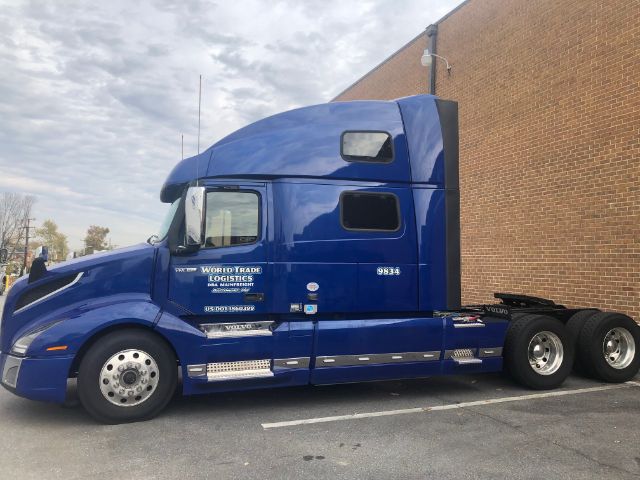
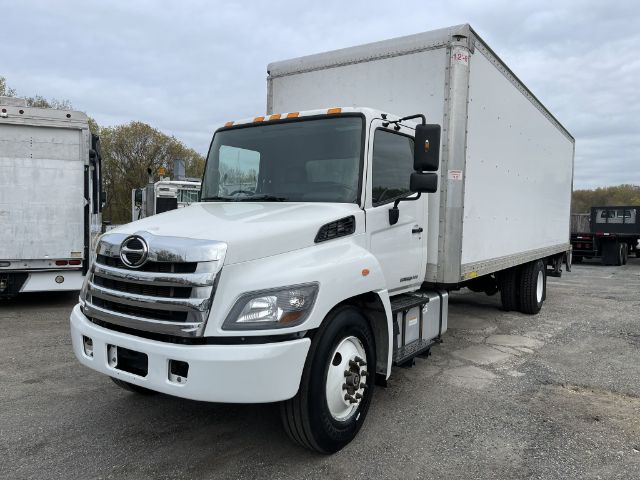
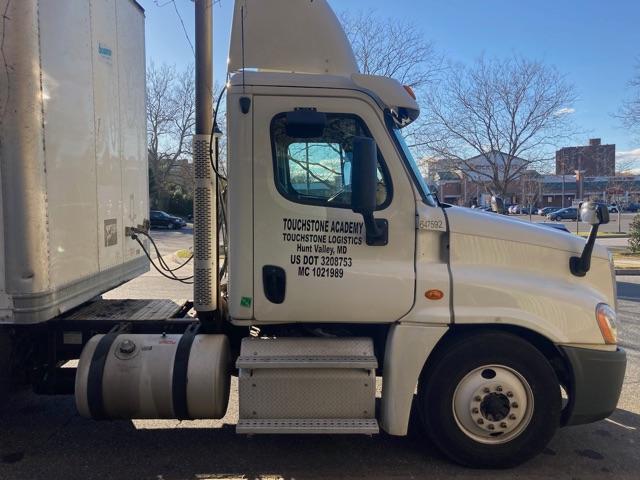
Have truck to sell? List it here to reach thousands of buyers.
About Trucks Near Hagerstown, Maryland
For linehaul and regional freight, a conventional day cab is typically spec'd as a 6x4 with a tandem rear, air ride suspension, and a diesel engine in the 400 to 500 horsepower range. Buyers should pay close attention to wheelbase, rear axle ratio, transmission type, and fifth wheel position because those specs affect turning radius, trailer gap, bridge law flexibility, and fuel economy. AMT-equipped day cabs are now common, especially in fleet service, and many are paired with aerodynamic chassis components, sliding fifth wheels, aluminum wheels, and either duals or super singles. A shorter wheelbase helps in urban Maryland, dock work, and tighter distribution yards, while a longer wheelbase can improve ride quality and stability on highway runs.
Yard trucks are a different tool altogether. A yard spotter like an Autocar Xspotter is built for frequent trailer moves, fast cab entry and exit, high visibility, and durability over long idle and operating hours. These units are often 4x2 single-axle configurations with modest horsepower compared with road tractors, but they are engineered for low-speed maneuverability, heavy-duty coupling cycles, and driver efficiency. When comparing terminal tractors, buyers should look at engine hours, transmission type, hydraulic fifth wheel operation if equipped, cab access, and the condition of high-wear components that see repeated stop-start use.
Used truck shoppers should also weigh the operating profile behind the specs. Mileage matters on a day cab, but so do idle time, maintenance history, tire configuration, front and rear axle ratings, and any signs the truck was matched to its intended load. In western Maryland and the broader Mid-Atlantic, trucks often see a mix of interstate miles, warehouse turns, and seasonal weather, so suspension condition, brake wear, and corrosion exposure are worth a close look. A well-matched truck should fit the lane it will run every day, not just the price point on the listing.
Frequently Asked Questions
What is the difference between a day cab and a yard spotter?
A day cab is a highway-capable tractor designed for local, regional, and some dedicated route work without a sleeper. It is commonly used for hauling van, reefer, flatbed, tank, or container freight over public roads. A yard spotter, also called a terminal tractor or yard jockey, is designed primarily for moving trailers around distribution centers, ports, plants, and warehouses. Yard spotters prioritize visibility, maneuverability, and frequent trailer coupling over highway speed and long-distance comfort.
What specs matter most when buying a used Class 8 truck?
The most important specs depend on the job, but buyers usually start with engine rating, transmission type, axle configuration, wheelbase, suspension, rear axle ratio, and GVWR. A tandem-axle 6x4 day cab with air ride suspension and a sliding fifth wheel is a common setup for regional freight. For tighter yards or urban work, wheelbase and turning radius can matter as much as horsepower. Buyers should also compare mileage or engine hours, tire setup, axle ratings, and maintenance records to make sure the truck was properly spec'd for its previous service.
Are super singles better than dual rear tires on a day cab?
Super singles can reduce weight and may improve fuel economy, which makes them attractive in some fleet and regional applications. They can also simplify certain maintenance routines. Dual rear tires remain popular because they are widely supported, familiar to most shops, and can offer more redundancy if one tire is damaged. The right choice depends on route type, maintenance practices, weight sensitivity, and local tire support. A buyer should factor in replacement cost, roadside service availability, and the truck's intended duty cycle before deciding.
Is mileage or engine hours more important on a used truck?
For a highway day cab, mileage is usually the first benchmark because it reflects road use across the powertrain, suspension, and driveline. For a yard truck or terminal tractor, engine hours can be more important because these units often spend long periods idling or working at low speed with constant starts, stops, and trailer moves. Neither number tells the full story by itself. Maintenance history, idle time, wear on the fifth wheel, brake condition, and evidence of proper service intervals are just as important as the headline figure.
Why does wheelbase matter on a truck for sale?
Wheelbase affects maneuverability, ride quality, weight distribution, and how easily the tractor can be matched to different trailer lengths. A shorter wheelbase is generally easier to handle in city deliveries, warehouse yards, and tight loading docks. A longer wheelbase can provide a smoother ride and more stable highway manners, but it may reduce agility in confined spaces. Buyers should match wheelbase to the freight lane, trailer type, and loading environment instead of treating it as a minor detail.