
Grapple Trucks For Sale Near Monroe, Louisiana
Browse grapple trucks for debris, storm cleanup, waste, and forestry work. Compare body, crane, axle, and PTO specs for the right setup.
Learn moreNo exact matches found for your search
Showing Grapple Trucks instead.
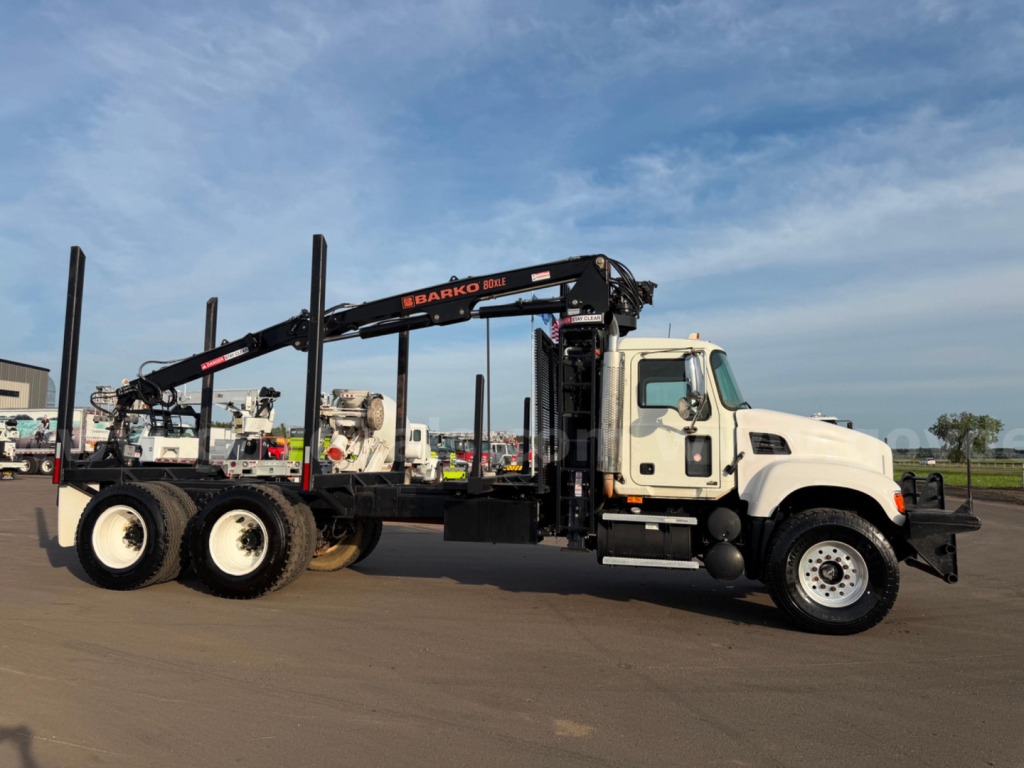

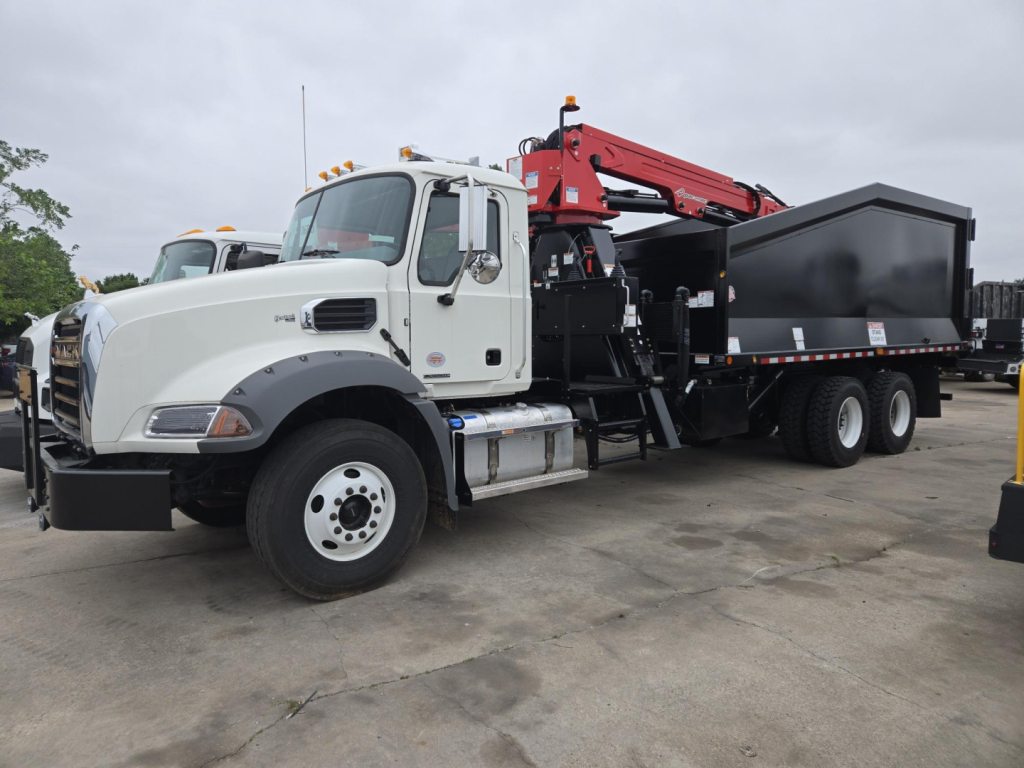
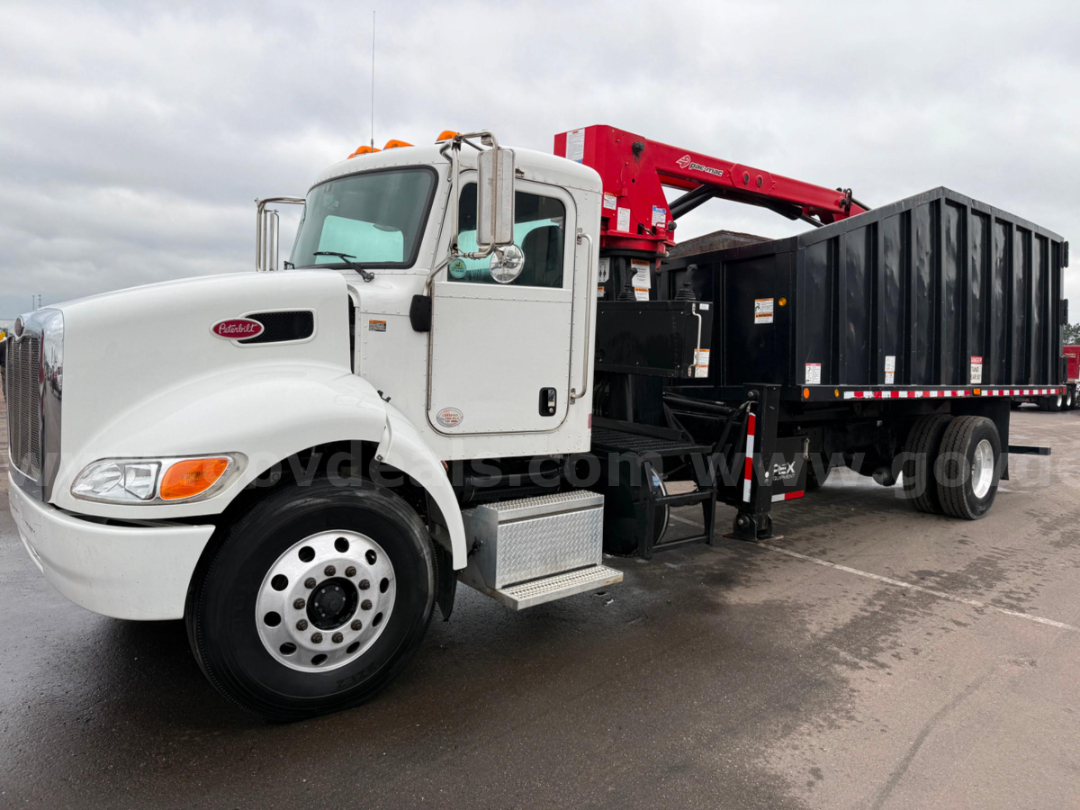
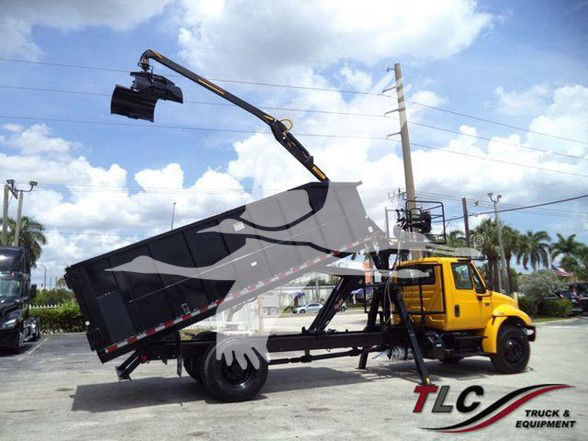
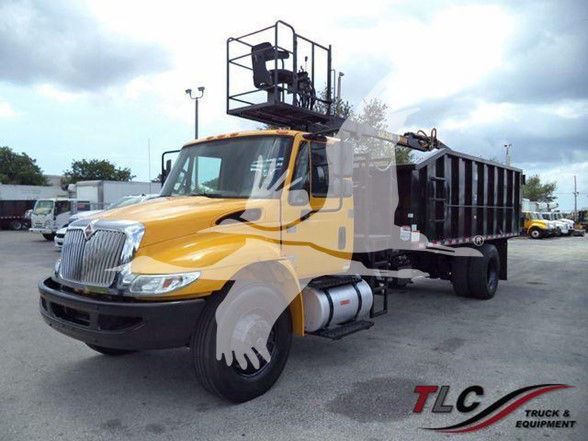
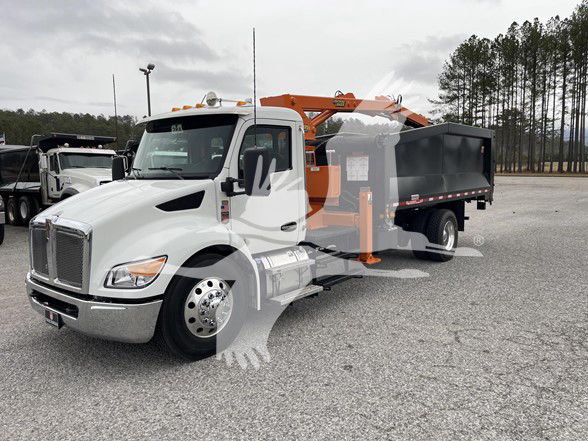
Showing 1 to 12 of 29 results
Have grapple truck to sell? List it here to reach thousands of buyers.
About Grapple Trucks Near Monroe, Louisiana
The most important buying decision is matching chassis capacity to the body and crane package. Many grapple trucks run in Class 7 or Class 8 configurations, though lighter Class 6 units are common for municipal and tree-service work where maneuverability matters. Key specs include GVWR, front and rear axle ratings, wheelbase, frame strength, PTO setup, hydraulic capacity, and legal payload after the body and crane are installed. Engine and transmission combinations often favor medium-duty diesel power with an Allison automatic for stop-and-go routes and repeated hydraulic operation. Single-axle trucks are common for urban work, while heavier tandem-axle setups make sense when the truck will carry denser debris or work longer routes.
Body and crane details matter as much as the cab and chassis. Buyers should compare body length, side height, floor material, hoist design if equipped, grapple opening, crane reach, lifting capacity, and mounting position behind the cab or rear-mounted. A well-matched unit should have enough reach to load from the curb or jobsite without constant repositioning, while still maintaining stability and usable payload. Common features include tool storage, tarping systems, work lights, backup cameras, pintle hitches, and outriggers sized for the crane's working envelope. In Louisiana conditions, corrosion protection, hydraulic hose routing, and easy cleanout around the body and subframe are worth close attention because mud, vegetation, and moisture shorten service life if the truck is not built for it.
A good grapple truck should be evaluated as a hydraulic system, a hauling platform, and a route truck all at once. Look at crane cycle speed, control layout, service access, cab visibility, turning radius, and how easily wear items can be replaced. For buyers comparing listings, the real differences usually come down to payload efficiency, crane quality, and how well the truck fits the intended material stream. A truck set up for light brush and limbs is not always the right choice for mixed C&D debris, logs, or heavy storm waste. The best value is usually the unit whose axle ratings, crane reach, body volume, and hydraulic package are balanced for the work instead of simply maximizing one spec.
Frequently Asked Questions
What is a grapple truck used for?
A grapple truck is used to pick up, load, and haul bulky loose material such as brush, tree limbs, logs, storm debris, construction debris, scrap, and municipal waste. The hydraulic crane and grapple let one operator handle material that would otherwise require a loader, extra labor, or a separate loading machine. That makes grapple trucks especially efficient for tree service fleets, public works departments, and debris contractors running stop-and-go routes.
What specs matter most when buying a grapple truck?
The most important specs are GVWR, axle ratings, wheelbase, body size, crane reach, grapple capacity, PTO and hydraulic setup, and legal payload after upfit weight is accounted for. Buyers should also review engine horsepower, transmission type, suspension, outrigger design, and the truck's turning radius for the intended work area. A truck with a large body but limited axle capacity can look productive on paper and still be a poor fit once payload and stability are considered.
Is a single-axle or tandem-axle grapple truck better?
A single-axle grapple truck is often the better choice for city streets, residential tree work, and tighter jobsite access because it is lighter and easier to maneuver. A tandem-axle truck is better suited for heavier debris, longer hauls, and higher-capacity body and crane packages where payload and stability matter more than compact size. The better configuration depends on the density of the material, local bridge and road limits, and how much off-route maneuvering the truck must do each day.
What is the difference between a grapple truck and a dump truck with a loader?
A grapple truck integrates the loading crane and hauling body into one machine, so the operator can load and transport material without bringing a separate loader to the job. A dump truck with a separate loader can be more flexible in some operations, but it usually requires more equipment, more labor, and more space on site. For route-based debris collection, storm cleanup, and tree service work, a dedicated grapple truck is typically faster and more efficient.
Are automatic transmissions common in grapple trucks?
Yes, automatic transmissions are very common in grapple trucks, especially medium-duty and municipal applications. Allison automatic transmissions are popular because they handle repeated starts and stops well, reduce driver fatigue, and work smoothly with PTO-driven hydraulic systems. For fleets running local debris routes or tree service work, an automatic often improves ease of operation and helps keep productivity consistent across multiple drivers.