
AM General Trucks For Sale
Browse AM General trucks for sale, including rugged military-derived 4x4 and 6x6 models built for off-road, utility, recovery, and specialty use.
Learn more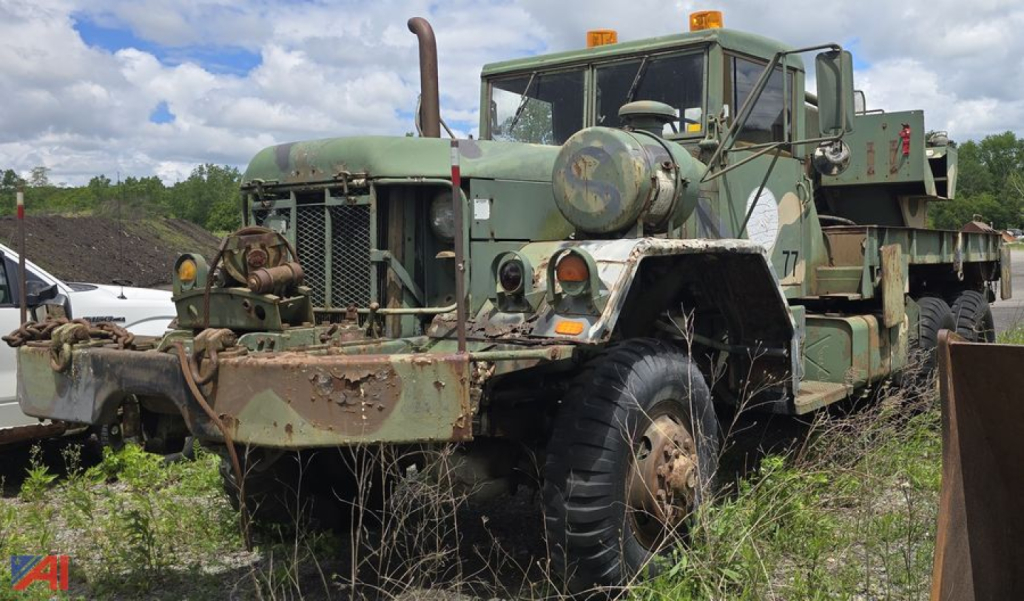
Have am general truck to sell? List it here to reach thousands of buyers.
About AM General Trucks
A major buying decision is how the truck will actually be used. Some AM General units are set up as tow trucks, service trucks, cargo haulers, or shop support vehicles, while others retain more of their original military-style layout. That means buyers should look closely at axle ratings, transfer case operation, tire size, central drivetrain components, winches, PTO provisions, and body mounting. On older 6x6 models, the appeal is traction and load-carrying ability in soft ground, jobsite conditions, and emergency access situations. These trucks are not typically chosen for fuel economy or high-speed regional freight. They are chosen because they can keep moving where lighter-duty equipment cannot.
Specs vary by series and by post-production modification, but many AM General trucks feature diesel power, multi-speed manual or automatic transmissions depending on configuration, and vocational equipment added after delivery. Because these trucks often come from public-sector or fleet service, buyers should inspect maintenance records, hours if applicable, brake system type, steering wear, driveline vibration, transfer case engagement, and the condition of electrical systems that may have been adapted for lights, recovery gear, or communications equipment. Cab ergonomics and ride quality tend to be more utilitarian than modern commercial trucks, so operator expectations should match the truck's intended mission.
For the right application, an AM General truck can be a practical platform for off-road support, municipal response, heavy recovery, or specialized vocational work. The value is usually in the chassis strength and terrain capability, not in modern driver amenities. Buyers comparing listings should pay attention to road legality, title status, tire and wheel availability, sourcing of replacement parts, and whether the current setup matches the job without expensive rework. A well-maintained AM General truck can fill a niche that standard medium-duty and heavy-duty trucks often cannot handle reliably.
Frequently Asked Questions
What are AM General trucks commonly used for?
AM General trucks are commonly used for off-road hauling, recovery, municipal support, utility work, emergency access, and specialty vocational applications. Many units are built on military-style platforms, so they are well suited for rough terrain, undeveloped jobsites, and severe-duty service where traction, ground clearance, and chassis strength matter more than highway speed or driver comfort.
Are AM General trucks good for highway use?
Some AM General trucks can be driven on the highway, but most buyers do not choose them as primary long-haul or regional freight trucks. They are typically geared and configured for durability, off-road mobility, and low-speed work rather than fuel-efficient highway miles. Before purchase, it is important to confirm road legality, top-speed expectations, brake and lighting compliance, and how the gearing fits the intended route profile.
What should I inspect on a used AM General truck?
Key inspection points include transfer case operation, front and rear axle condition, driveline wear, brake system type and performance, steering components, electrical modifications, tire condition, and any PTO or winch equipment. On older or government-surplus units, maintenance history and evidence of prior rebuild work are especially important. Buyers should also verify parts availability for the specific series, since some components are easier to source than others.
Why do buyers choose a 6x6 AM General truck?
A 6x6 AM General truck is usually chosen for maximum traction, better load support on soft surfaces, and improved mobility in mud, snow, sand, or uneven ground. That makes it a strong fit for towing, site support, utility access, and recovery work in areas where a standard 4x2 or even 4x4 truck may struggle. The tradeoff is added complexity, more drivetrain components to maintain, and a driving experience that is more specialized than a conventional commercial truck.